Most guides to Portugal with kids are one family’s holiday written up afterwards: where they stayed, what their children liked, a photo of a custard tart. They’re pleasant, but they don’t answer the questions that actually decide a family trip. Which region suits a toddler, and which suits a teenager? Which beaches have calm water and which have Atlantic surf? Which famous sights are hard with a buggy, and what the attractions cost this year? And because Portugal suits far more kinds of traveller than families, this hub also covers the country for solo travellers, couples on honeymoon and travellers over sixty, with honest advice on where each should go and what each should skip.
The short answer: Portugal is one of the easiest family destinations in Europe. Base young children on the Algarve’s south coast for calm, warm water. Add Lisbon for the Oceanarium, trams and castles, and choose Madeira or the Azores for older children who like nature. Travel in June or September rather than August, eat lunch out rather than dinner, and bring a carrier, not a heavy buggy, for the cobbles.
Portugal with kids: the fast answer by age
| Age | Best base | Best things to do | Think twice about |
|---|---|---|---|
| Babies and toddlers (0–3) | Algarve south coast, in an apartment or family hotel | Calm beaches, the Ria Formosa islands, the Lisbon Oceanarium | City hills with a buggy, long drives, August heat |
| Young children (4–8) | Algarve plus a few days in Lisbon | Beaches, Zoomarine, castles, the Oceanarium, Portugal dos Pequenitos | Long museum days, west-coast surf beaches |
| Older children (9–12) | Lisbon and Sintra, Porto, Madeira | Castles, cable cars, dolphin trips, short levada walks, surf lessons | Too many churches and palaces in a row |
| Teenagers (13+) | Lisbon, Porto, the Algarve’s west coast, the Azores | Surfing, kayaking, hiking, whale-watching, city freedom | Resort towns with nothing to explore |
Why Portugal works for families
A few things make Portugal easier with children than most of its neighbours. It’s safe, with low violent crime, and the main risks, pickpockets on busy trams and strong surf on some beaches, are easy to manage. Portuguese culture is genuinely child-friendly. Children are welcomed in restaurants at any hour, waiters will bring a high chair and a half portion without being asked twice, and grandmothers on trams will talk to your baby. Distances are short: most of Europe is within three hours’ flight, and inside the country Lisbon to the Algarve is about three hours by car or train. It’s affordable by western European standards, with a lunch menu at €9–15 and an espresso at about a euro, checked September 2026. And the climate is kind for much of the year, with long, warm, dry summers and mild winters in the south.
There are honest caveats too. Lisbon and Porto are built on steep hills, with cobbled pavements that are hard on buggies. The Atlantic is cool on the west coast even in August and has powerful waves and currents on many beaches, which isn’t what small children expect from a “beach holiday”. Summer heat inland can pass 40 °C, and August is crowded and expensive. Plan around those and Portugal is excellent with children of every age.
Where to go with kids
The Algarve: the easy choice
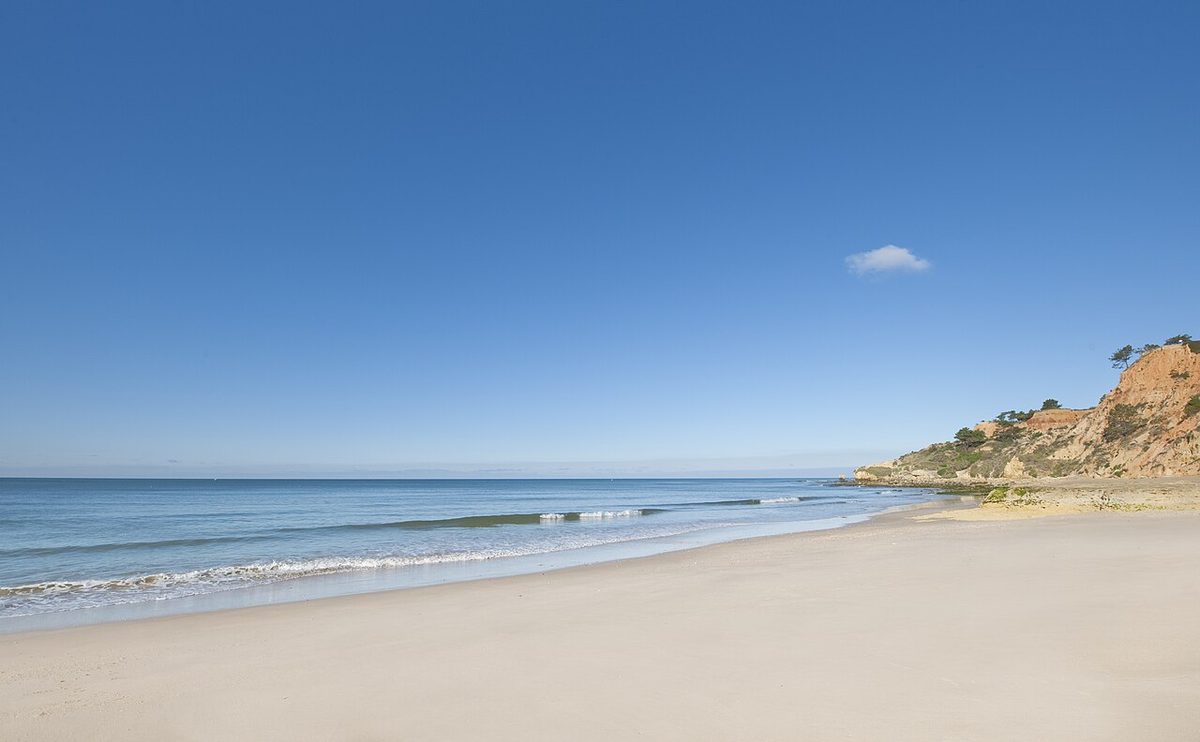
The Algarve’s south coast is built for family holidays, with warm, calm water (by Atlantic standards) in summer, golden beaches, lots of family apartments and resorts, and short transfers from Faro airport. The best family beaches are the long, gently shelving ones: Praia da Falésia near Albufeira, Meia Praia at Lagos and Armação de Pêra, plus the sandbank islands of the Ria Formosa near Tavira and Faro, where the water is calm and shallow and you arrive by little ferry. The famous rocky coves around Carvoeiro and Benagil are beautiful but busier, with steep steps down to the sand.
For rainy or restless days there are water parks and marine parks. Zoomarine near Albufeira combines a marine park with pools and rides, and its 2026 prices on its own site are €24 for adults and €16.50 for juniors and seniors in low season (March to May, October and November), and €28.50 and €21 in high season (June to September), with children under 1 metre free. Slide & Splash near Lagoa and Aquashow near Quarteira are the big water parks. Boat trips from Lagos to the Ponta da Piedade grottoes are short and exciting. One rule to know: since 2024, swimming into the Benagil sea cave is banned, as is landing on its beach, and self-guided kayak rentals into the cave are no longer allowed. Guided kayak tours run with one guide per six kayaks and cost around €30–40 per person. Our Algarve beaches guide has the full rules, and our guide to where to stay in the Algarve compares the family bases.
Lisbon: trams, castles and the Oceanarium
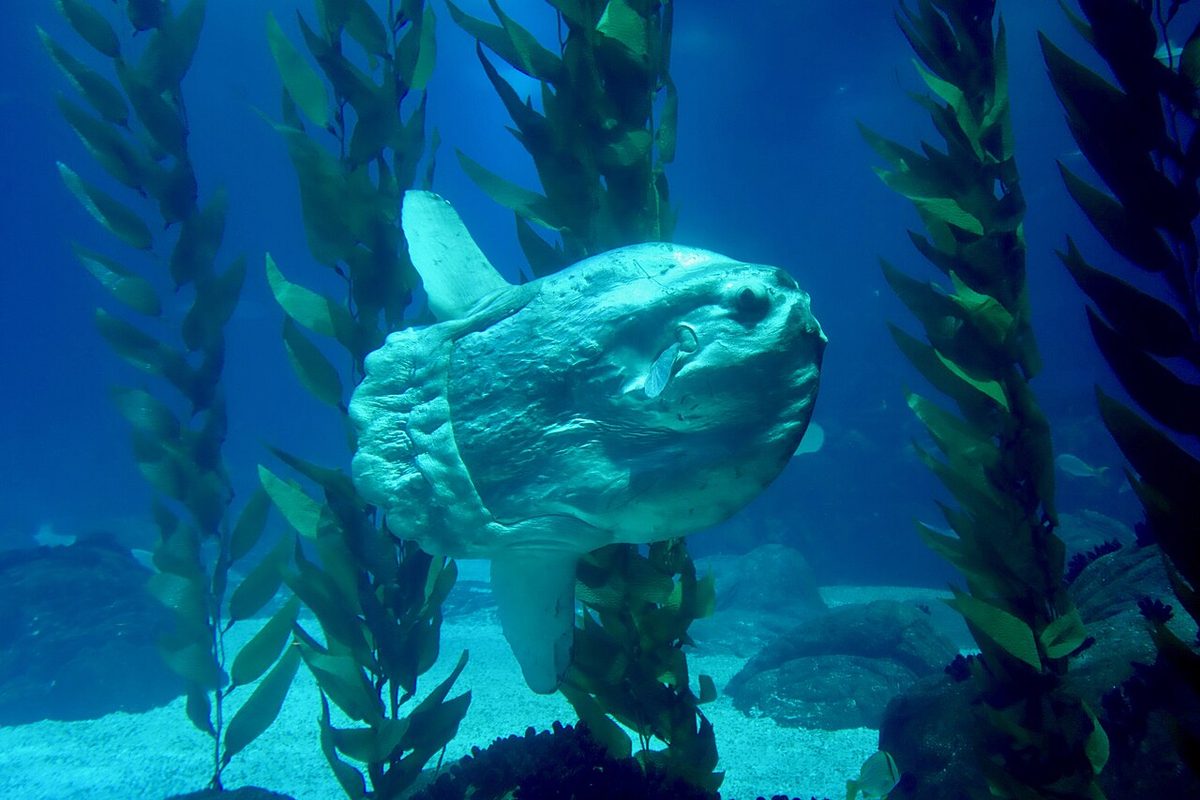
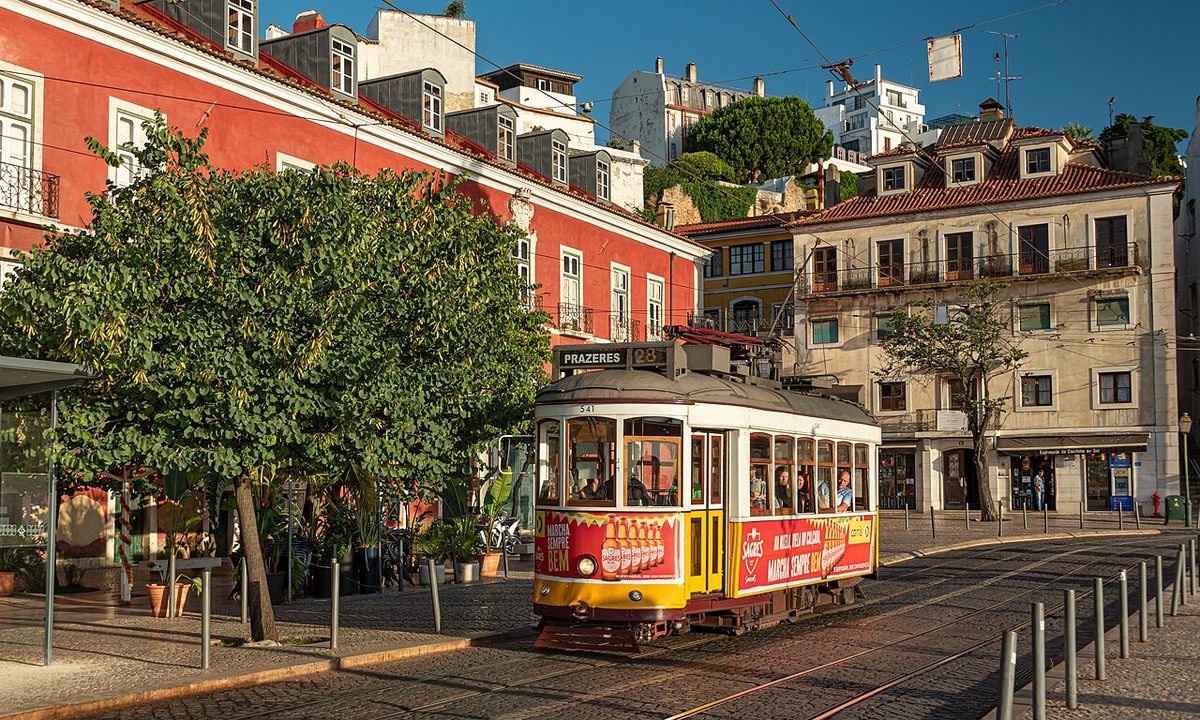
Lisbon is a brilliant city for children who can walk, and a hard one for buggies. The Oceanarium at Parque das Nações is the star: a huge central tank of sharks, rays and an ocean sunfish, surrounded by habitats with sea otters and penguins. On the Oceanarium’s own site in 2026, tickets are from €25 for adults, €15 for children aged 3–12 and €17 for over-65s, with under-3s free, and prices are higher at peak times. Nearby, the Pavilhão do Conhecimento is a hands-on science centre. In the old city, São Jorge Castle has walls, towers and peacocks, and the vintage trams are a thrill, though tram 28 is packed and pickpocket-prone in summer, so ride it early in the morning. In Belém, children love the pastéis de nata at the bakery that has made them on the spot since 1837. From Cais do Sodré, the train runs along the coast to the beaches of Cascais in about 40 minutes. Our Lisbon travel guide covers the rest of the city.
Sintra: castles and palaces
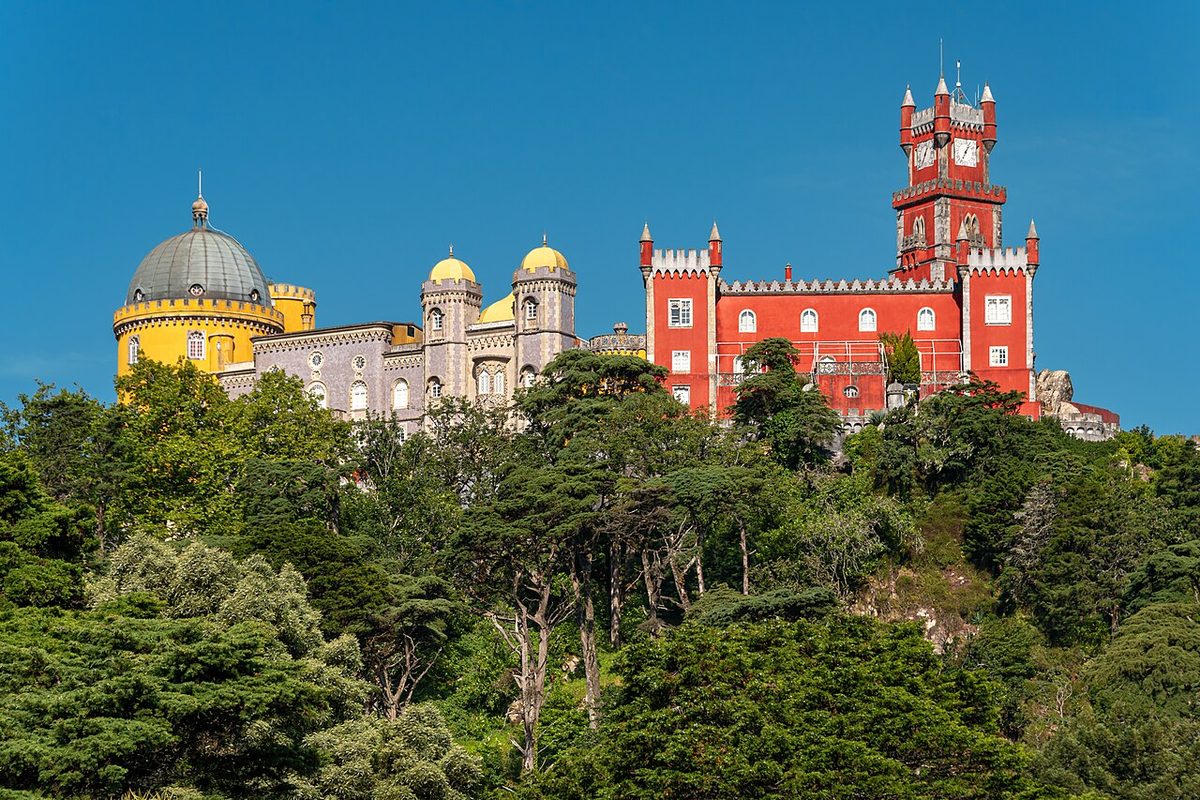
Sintra is a fairy-tale day out for children who can manage stairs. The Moorish Castle‘s walls snake over granite boulders along the ridge, and the official 2026 prices are €12 for adults, €10 for ages 6–17 and €33 for a family of two adults and two children. The Pena Palace, in yellow and red on the next hill, costs €20 for the palace visit and €45 for the palace and park. The Quinta da Regaleira has a spiral “initiation well” and tunnels that children adore. Don’t try to do everything in one day. One palace, one castle and a long lunch is plenty. Our day trips from Lisbon guide covers tickets and transport.
Porto: cable cars, boats and gardens
Porto has a lot for families: a cable car over the port lodges in Vila Nova de Gaia (about €7 one way), boat trips under the six bridges of the Douro, the gardens of the Crystal Palace with peacocks and a view over the river, Serralves park and its contemporary art museum, and Matosinhos beach at the end of the metro line. The historic centre is steep, and Porto is wetter than Lisbon outside summer. See our Porto travel guide.
Central Portugal: castles, miniatures and a medieval festival
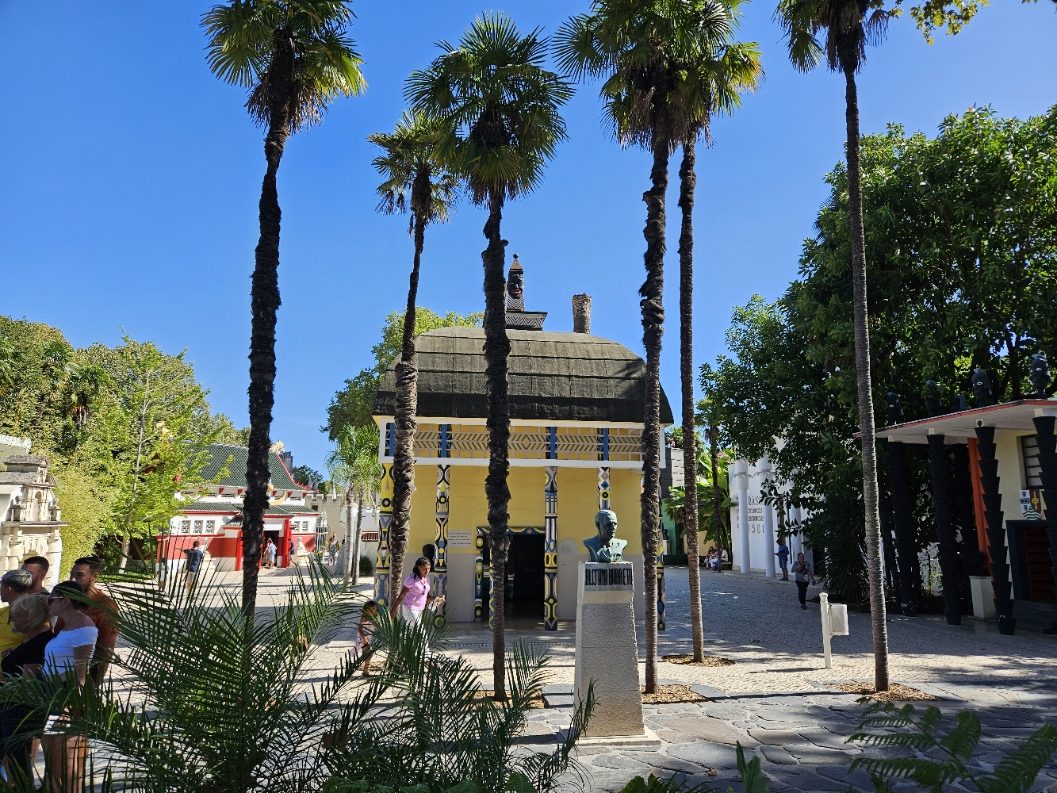
Between Lisbon and Porto, Óbidos‘s walls are an adventure (no railings, so hold hands). Portugal dos Pequenitos in Coimbra is a park of child-sized Portuguese houses and monuments, built from the late 1930s onwards. Children can walk into the miniature buildings, and it’s a hit with under-tens. I couldn’t confirm its 2026 prices at source, but under-2s go free, a reduced child rate applies to ages 3–13, and family packages are sold only at the park’s own ticket office. Santa Maria da Feira‘s turreted castle hosts one of Europe’s biggest medieval festivals every summer. The Roman town of Conímbriga has mosaics children can walk among, and the enclosed bay at São Martinho do Porto is the calmest beach on that coast. Our Central Portugal guide and our guide to Portugal’s best castles cover them in detail.
The Alentejo: space and river beaches
The Alentejo is quieter, slower and cheaper. There are calm river beaches at Vila Nova de Milfontes on the Mira estuary and on the Alqueva lake, Badoca Safari Park near the coast, castles to climb at Marvão and Monsaraz, and the standing stones at Almendres near Évora, which children can run between. Rural farm stays with pools make a relaxed base. Avoid the interior in the July and August heat. See our Alentejo guide.
Madeira and the Azores: nature for older children
Madeira is wonderful for children who like being outdoors. There’s the cable car from Funchal to Monte (€22 return, €16 one way on the operator’s site in September 2026), and the wicker toboggans that slide back down the streets (€30 for one person, €40 for two, €60 for three). Dolphin boat trips, the natural lava pools at Porto Moniz and short, level levada walks such as the hour-long Vereda dos Balcões round it out. Since 2026, Madeira’s official trails need a paid timed booking, but under-12s walk free as long as they’re named on it. The Azores suit older children and teenagers, with whale and dolphin watching from São Miguel, warm volcanic pools at Furnas, crater lakes and easy walks. See our guides to Madeira and the Azores.
Family itineraries
A week with young children
| Days | Where | What |
|---|---|---|
| 1–2 | Lisbon | The Oceanarium and Parque das Nações; São Jorge Castle; pastéis de nata in Belém |
| 3 | Sintra or Cascais | The Moorish Castle and Regaleira’s well, or a beach day in Cascais |
| 4–7 | The Algarve’s south coast | Beaches, a boat trip from Lagos, a Zoomarine or water-park day, the Ria Formosa islands |
Travel between Lisbon and the Algarve by train (about three and a half hours to Faro) or hire a car for the Algarve part only. For toddlers, flip the order and start with the beach, so the city comes at the end, when everyone’s settled.
Ten days with older children
| Days | Where | What |
|---|---|---|
| 1–2 | Porto | Cable car, river boat, the Crystal Palace gardens, Matosinhos beach |
| 3 | Coimbra | Portugal dos Pequenitos, Conímbriga, the university |
| 4 | Óbidos and Nazaré | The walls, then the funicular in Nazaré |
| 5–6 | Lisbon and Sintra | Oceanarium, castles, trams, the Moorish Castle |
| 7–10 | The Algarve’s west coast or Lagos | Surf lessons, kayaking, beaches, a boat trip to the grottoes |
For more routes and timings, see our Portugal itinerary planner.
Practicalities with kids
Getting around
Portugal’s trains are comfortable, and the CP rail network charges children reduced fares, with young children travelling free without a seat. Check the current age bands when you book. Long-distance buses are cheap and air-conditioned. If you hire a car, child seats are compulsory for children under 12 who are shorter than 135 cm. Book them with the car, or bring your own, and check they’re fitted properly. Distances are short, but the Algarve’s A22 motorway, now toll-free, gets busy in August. See our guide to getting around Portugal.
Buggies and cobbles
Lisbon, Porto, Sintra and most old towns are paved with polished limestone cobbles on steep hills, which are slippery when wet and hard work with a buggy. Bring a light, foldable buggy with good wheels, or better, a baby carrier or toddler backpack for the old centres. Lisbon’s funiculars and street lifts, and Porto’s funicular, save a lot of climbing.
Eating out
Portuguese restaurants are among the most child-friendly in Europe. Children are welcome at every hour, including late in the evening. Most places will serve a meia-dose, a half portion, which is ideal for children, and soup, grilled fish, chicken and rice are on nearly every menu. The prato do dia, the lunch menu at €9–15, is the best-value meal of the day. The bread, olives and butter that arrive unasked, the couvert, cost €2–5 and are optional, so send them back if you don’t want them. Dinner starts late, around 20:00, so an early family meal means eating at 19:00 in an empty restaurant, which is also no problem.
Beaches and water safety
Lifeguards generally work on official beaches from June to mid-September. Portuguese beaches use green (bathing allowed), yellow (bathing not advised, don’t swim out) and red (no entering the water) flags. The south coast of the Algarve and sheltered bays such as São Martinho do Porto are the calmest. West-coast beaches, from Porto to Sagres, often have big waves and strong currents, so they’re better for watching surfers than for paddling toddlers. The west coast’s water is cool all summer because of upwelling, while the Algarve’s south coast is the warmest in late summer. Sun and heat are the other risks: shade, hats and midday breaks matter more than anything else.
Health and safety
Pharmacies, marked with a green cross, are everywhere and pharmacists give good advice. Portugal’s national health line, SNS 24 (808 24 24 24), gives medical advice by phone, and the emergency number is 112. Visitors from EU countries should carry their European Health Insurance Card, and UK visitors their GHIC, but travel insurance is still essential. Crime against tourists is mostly pickpocketing, on trams, in crowded viewpoints and on the metro, so keep bags zipped and in front of you.
Priority queues
Portuguese law gives priority service to pregnant women and people accompanied by young children in shops, public services and many ticket queues. You’ll see signs for atendimento prioritário. It’s worth knowing, and it’s used without fuss.
Babies and toddlers
Portugal is easy with babies and toddlers as long as you plan for heat, hills and naps. Supermarkets such as Continente and Pingo Doce stock familiar brands of nappies, formula and baby food, and pharmacies carry more specialised items. Babies and toddlers go free or pay a nominal price at most attractions, including the Oceanarium for under-3s. An apartment with a kitchen and a washing machine is often more practical than a hotel room, and the Algarve has plenty. For the hottest part of the day, choose a base with a pool and shade, and schedule outings for the morning and early evening. Restaurants will warm bottles and baby food if you ask. Flights are short, but consider a late-morning departure rather than a dawn one. The Algarve’s south coast, a quiet part of Lisbon near the river, and Madeira are the easiest bases.
Teenagers
Portugal is a great country for teenagers because it offers them some freedom and some real adventure. Lisbon and Porto are safe, walkable cities with metro systems, viewpoints and street life. Surfing is the big one: a group lesson costs around €30–55 in 2026, and the Algarve’s west coast, Ericeira and Baleal are ideal places to learn. See our surfing in Portugal guide. Guided sea kayaking along the Algarve cliffs costs about €30–40 a head. The Paiva Walkways near Arouca cost €12 with the 516 Arouca suspension bridge, booked online. Madeira’s levadas and the Azores’ whale-watching trips give them something to tell their friends about. For hiking ideas, see our guide to hiking in Portugal.
Solo travel in Portugal
Portugal is one of the easiest and safest countries in Europe to travel alone. Crime is low, public transport is good, English is widely spoken by younger people and anyone working in tourism, and the hostels in Lisbon, Porto and Lagos are among the best in Europe, with social events and walking tours that make meeting people easy. Eating alone is normal: sit at the counter, the balcão, of a café or tasca and order the prato do dia. The Camino Portugués from Porto to Santiago, the Fishermen’s Trail and a week at a surf camp are three of the best trips for solo travellers who want company along the way.
Solo women generally find Portugal very comfortable, and it’s regularly ranked among the safest countries in Europe. The usual city precautions apply: late at night in the nightlife districts, such as Lisbon’s Bairro Alto and Cais do Sodré, take a licensed taxi or ride-hailing car home rather than walking alone through empty streets, and watch drinks in busy bars. Pickpocketing, not violent crime, is the main risk. Rural Portugal is very safe, but it’s quiet, so tell someone your plans if you’re hiking alone. The main downside of solo travel here, as elsewhere, is cost: accommodation is priced per room, so single travellers pay more per head than couples, which makes hostels and guesthouses good value.
Honeymoons and romantic trips
Portugal is made for couples, and it’s much better value for a honeymoon than most of Mediterranean Europe. The best combinations:
- Lisbon, Sintra and the Douro. Viewpoints, fado and long dinners in Lisbon, then Sintra’s palaces, then two or three nights at a wine estate in the Douro Valley, waking up among the vineyards. See our Douro Valley guide.
- A castle or convent. Several of the state’s pousadas are in castles and convents, including the castle at Óbidos and the convent beside the Roman temple in Évora, and a night inside medieval walls is hard to beat.
- The Alentejo. Rural farm-stay hotels, long lunches, wine estates and, from the walls of Monsaraz, some of the darkest night skies in Europe.
- Comporta. Barefoot-luxury hotels among the rice fields and an enormous empty beach, an hour south of Lisbon.
- Madeira or the Azores. Dramatic landscapes, sea-view hotels, and in the Azores, warm thermal pools after dark.
- The Algarve’s quieter corners. The cliffs and coves around Carvoeiro and the Costa Vicentina’s wild beaches, out of season.
May, June, September and early October are the best months for a honeymoon: warm, uncrowded, and with prices below August’s.
Portugal over sixty
Portugal is a favourite with older travellers, and for good reasons: the mild climate, safety, good food, reasonable prices and a slower pace. The Algarve and Madeira are among Europe’s most popular places for long winter stays, with Funchal’s average high around 20 °C in January and the Algarve’s around 16 °C. River cruises on the Douro combine the wine region with a comfortable, unpacked base. Trains between the main cities are comfortable and step-free at the major stations, and many attractions offer senior rates: the Lisbon Oceanarium charges €17 for over-65s, and the Sintra monuments €10.
The honest challenge is terrain. Lisbon, Porto, Sintra, Coimbra and most historic towns are hilly and cobbled, and some famous sights involve a lot of steps. Use the funiculars, lifts, trams and taxis freely, choose hotels on the flat or near public transport, and plan fewer sights per day. The Algarve’s resort towns, Funchal’s seafront and the flatter Alentejo towns such as Évora are easier on the legs. Travel insurance that covers pre-existing conditions is essential. See our Portugal travel tips for more practical advice.
Travelling with limited mobility
Portugal is improving, but its historic centres remain difficult for wheelchair users and anyone with limited mobility, with steep, cobbled streets, narrow pavements and many steps. Modern areas, such as Lisbon’s Parque das Nações with the Oceanarium, Porto’s riverside, and many seafront promenades in the Algarve and Madeira, are much easier. Major train stations and the Lisbon metro have lifts, though not every station does. Accessible hotel rooms exist in larger and newer hotels; check the details directly before booking. For castles and monuments, expect steps: palaces are generally easier than fortresses, and it’s worth contacting sites in advance.
When to go, by type of trip
| Trip | Best months | Why |
|---|---|---|
| Families with young children | June and September | Warm sea, open attractions, lifeguards, fewer crowds than August |
| Families tied to school holidays | July and August, Easter, October half-term | Book early; choose beaches and pools; avoid the hot interior |
| Solo travellers | April–June, September–October | Hostels lively, walking weather, fair prices |
| Honeymoons | May–June, September–early October | Warm, quieter, romantic light |
| Over-60s | Spring, autumn; winter for long stays in the Algarve and Madeira | Mild temperatures and lower prices |
For month-by-month weather across the country, see our best time to visit Portugal guide.
What a family trip costs (checked September 2026)
| Item | Price | Notes |
|---|---|---|
| Lisbon Oceanarium | From €25 adult, €15 child (3–12), €17 over-65; under-3s free | Higher at peak times |
| Zoomarine, Algarve | €24 adult / €16.50 junior (low season); €28.50 / €21 (June–Sept) | Under 1 m free |
| Moorish Castle, Sintra | €12 adult, €10 child 6–17, €33 family | Family = 2 adults + 2 children |
| Pena Palace, Sintra | €20 palace; €45 palace and park | Timed entry |
| Portugal dos Pequenitos | Not confirmed at source | Under-2s free; family packs at the gate |
| Madeira cable car to Monte | €22 return, €16 one way | Tickets valid 60 days |
| Monte toboggan, Madeira | €30 one person, €40 two, €60 three | Monday to Saturday |
| Porto–Gaia cable car | About €7 one way | |
| Group surf lesson | €30–55 | Usually includes board and wetsuit |
| Guided kayak, Benagil | €30–40 per person | Since 2024, rentals into the cave are banned |
| Prato do dia lunch | €9–15 | Half portions for children cost less |
| Hire car, one week | €180–300 | Mid-season, plus child seats |
For a full budget, see our guide to what a Portugal trip costs.
Beach days from Lisbon
You don’t need to go to the Algarve for a family beach day. The coast west and south of Lisbon has plenty of options within an hour.
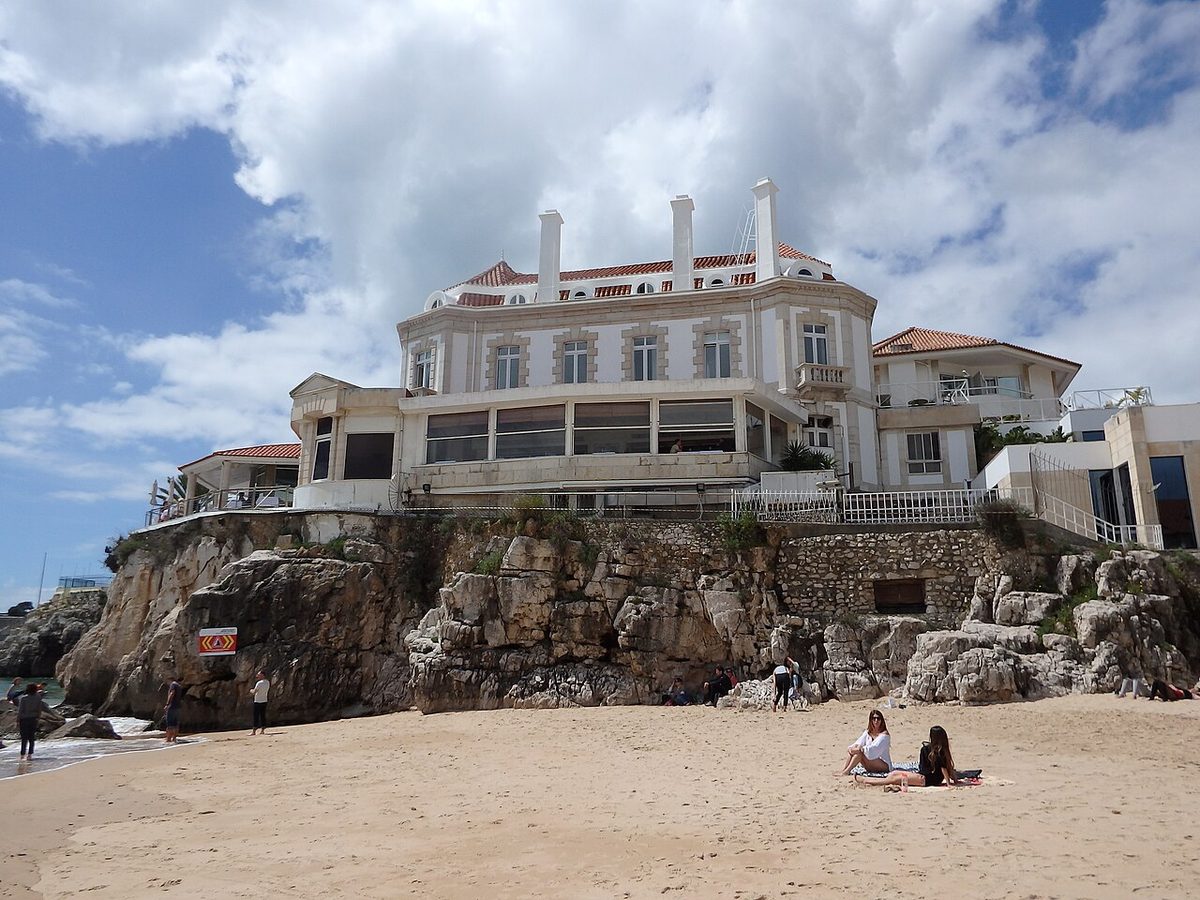
- Cascais and the Estoril coast. The train from Cais do Sodré runs along the river and the sea to Cascais in about 40 minutes, stopping at a string of small, sheltered town beaches. Praia da Conceição and the tiny Praia da Rainha in Cascais are close to the station, with calm water on most summer days, and Cascais itself has an ice-cream-and-promenade feel that children love.
- Carcavelos. A big, sandy beach on the same line, livelier and with more surf, which is better for older children.
- Costa da Caparica. South of the river, a long sweep of beaches with plenty of space, beach cafés and surf schools, reached by bus or car.
- The Arrábida coves. Beyond Setúbal, small beaches with turquoise water below a wooded ridge, among the calmest near Lisbon. Summer access to some of them is restricted to shuttle buses to limit traffic, so check before you go.
A day in Lisbon with kids, hour by hour
| Time | What | Why then |
|---|---|---|
| 08:30 | Tram 28 from Martim Moniz, or ride the Elevador da Bica | Before the queues and the heat |
| 09:30 | São Jorge Castle | The walls, cannons and peacocks while it’s still cool |
| 11:30 | Down through Alfama to the river; a snack at a café | Downhill, which small legs appreciate |
| 13:00 | Lunch: the prato do dia, with half portions for the children | The best-value meal of the day |
| 14:30 | Rest at the hotel, or the metro to Parque das Nações | Out of the afternoon sun |
| 15:30 | The Oceanarium | Two hours indoors in the hottest part of the day |
| 18:00 | The riverside gardens and play areas at Parque das Nações, or the cable car along the river | Flat, open space to run around in |
| 19:30 | An early dinner | Restaurants are quiet and welcoming at this hour |
On a second day, go to Belém in the morning for the monastery, the tower and the custard tarts, and take the train to Cascais for the afternoon beach.
Rainy-day ideas
It does rain in Portugal, especially in the north and in winter, and a few indoor attractions are worth knowing about.
- Lisbon: the Oceanarium; the Pavilhão do Conhecimento science centre next door; the Lisbon Zoo; and the National Coach Museum in Belém, whose gilded royal carriages impress children more than most palaces do.
- Porto: the World of Discoveries, an interactive museum with a boat ride through the story of the Portuguese voyages, and the port lodges in Gaia for adults, most of which have a juice option for children.
- Coimbra: the Exploratório science centre by the river, and Portugal dos Pequenitos on a dry spell.
- The Algarve: the science centres in Faro and Lagos, and Zoomarine’s indoor shows.
- Everywhere: castles are surprisingly good in light rain, with fewer people and dramatic skies. Bring waterproofs and go anyway.
Where to stay with kids
| Area | Why it suits families | Downside |
|---|---|---|
| Lagos, Algarve | A real town, Meia Praia’s long beach, boat trips, lots of apartments | Hilly old town; busy in August |
| Around Albufeira and Praia da Falésia | Big family resorts, long sandy beaches, water parks nearby | The strip can feel commercial |
| Carvoeiro | A small, pretty village with cliff walks and coves | Steep streets; small beach |
| Tavira and the Ria Formosa | A calm, attractive town with island beaches by ferry | Quieter evenings for teenagers |
| Parque das Nações, Lisbon | Flat, modern, riverside, next to the Oceanarium, with easy metro access | Far from the old town’s atmosphere |
| Cascais | Beaches, a promenade, a 40-minute train to Lisbon | Pricier than Lisbon |
| Foz do Douro or Matosinhos, Porto | Seaside, flatter, beaches and parks | A bus or metro ride from the centre |
| Funchal, Madeira | Sea pools, the cable car, mild weather all year | Steep hills away from the seafront |
An apartment or aparthotel with a kitchen, a washing machine and a pool is usually the best value for families. For a detailed comparison of Algarve bases, see our Algarve accommodation guide.
Food children will actually eat
Portuguese food is simple, fresh and rarely spicy, which makes it easy for children. The winners:
- Frango assado or frango piri-piri: grilled chicken, with the chilli sauce served on the side, usually with chips and salad.
- Pastel de nata: the custard tart, warm from the oven with cinnamon on top.
- Sopa: vegetable soup, served at the start of almost every lunch, cheap and mild.
- Grilled fish: sardines in summer, sea bass and bream all year, served simply.
- Bifana: a thin pork steak in a soft roll, the Portuguese answer to a burger.
- Bolas de Berlim: custard-filled doughnuts sold by vendors walking the Algarve’s beaches in summer. A holiday ritual.
- Arroz de pato or arroz de frango: duck or chicken rice baked in the oven.
- Fruit and ice cream: cherries in early summer, figs and grapes later, and a gelataria in every town.
Ask for a meia-dose, a half portion, for children, and don’t be shy about sharing plates. For more on Portuguese food, see our Portuguese food guide.
Travelling with grandparents: multigenerational trips
Portugal is a good fit for trips with three generations, because it combines beaches for children, good food and wine for adults, and a relaxed pace for everyone. The most successful formula is a villa or large apartment with a pool in the Algarve or the Alentejo, with days out rather than constant moving. A Douro river cruise suits grandparents while giving children boats, locks and a change of scene each day. Madeira works well for mixed ages too, with the seafront in Funchal, the cable car and gentle levada walks. Choose accommodation on the flat, keep sightseeing to one thing a day, and build the day around a long lunch.
A family packing list
- A lightweight foldable buggy or a baby carrier (or both) for the cobbles
- Sun hats, high-factor sunscreen and UV swimsuits for children
- Water shoes for rocky coves and river beaches
- A light waterproof and a fleece, even in summer, for evenings and the islands
- A travel car seat or booster if you’re hiring a car and prefer your own
- Refillable water bottles
- Any regular medicines, plus your EHIC or GHIC and travel insurance details
- Screenshots of tickets for the Sintra monuments, the Oceanarium and Madeira’s trails
Portugal with kids in winter
Portugal is underrated as a winter family destination. The beaches won’t be for swimming, but the south is often sunny and mild, prices and crowds drop sharply, and several places come into their own.
- Madeira is the warmest option, with Funchal’s average high around 20 °C in January, lava swimming pools, the cable car, dolphin trips and mild levada walks. Its New Year’s Eve fireworks are among the most famous in Europe.
- The Algarve is often bright and around 16 °C by day in January, which is ideal for beach walks, cliff paths, castles and boat trips, with the south coast’s surf a bonus for older children. The sea is cold, so bring wetsuits for any paddling.
- Lisbon has Christmas lights, markets and the Oceanarium for rainy days.
- Óbidos turns into a Christmas village in December, with rides and markets inside the walls.
- The Serra da Estrela has mainland Portugal’s only ski runs and, on a good winter weekend, snow to play in, along with crowds of Portuguese families doing the same.
Days are short in winter and some seasonal attractions, beach cafés and boat trips close or cut their hours, so check before you travel.
School holidays and Easter
If your dates are fixed by school holidays, a little planning goes a long way. Easter is a lovely time for a family trip, with warm but not hot weather, wild flowers and Holy Week processions in towns such as Braga. It’s a busy week for Portuguese families too, so book accommodation early. The October half-term often brings warm, settled weather and a sea that’s still at its warmest, which makes it one of the best times for a family week in the Algarve. Summer holidays overlap with Portugal’s own long break, when coastal towns are at their fullest and most expensive, so book pools, villas and car hire months ahead, and escape the heat of the interior.
Tours and trips worth paying for with children
- Dolphin trips from Setúbal. The Sado estuary south of Lisbon has a resident group of around 30 bottlenose dolphins, seen all year from small boats. It’s a lovely half-day trip combined with the Arrábida beaches.
- Whale-watching in the Azores. Sperm whales live around the islands all year, and blue whales pass in spring. It’s the wildlife trip of a lifetime for older children.
- Boat trips to the Algarve’s grottoes. Short, exciting trips from Lagos to Ponta da Piedade, or along the Benagil coast within the rules.
- A Douro river boat. A short cruise under Porto’s bridges, or a longer day in the valley.
- A surf lesson. For children from about six or seven upwards, with a school that chooses a calm beach.
What’s usually not worth it with children: long coach day-tours that cram three or four sights into a day, and anything that involves many hours in a vehicle for a short stop at the end.
What to skip, and what’s overrated
Tram 28 with a buggy in August. It’s packed, hot, slow and a favourite of pickpockets. Ride it at 08:00, or take one of the other historic tram lines, which are quieter.
The Algarve in August if you can avoid it. It’s the most expensive and crowded time, and the heat can be too much for small children. June and September have the same sea with half the people.
West-coast surf beaches for toddlers. Guincho, Praia do Norte in Nazaré, and many beaches from Porto to Sagres have strong waves and currents. Choose the Algarve’s south coast, a sheltered bay or a river beach instead.
All of Sintra in one day. Pena, the Moorish Castle, Regaleira and the National Palace in one day, with children and the bus queues, is miserable. Choose two.
Swimming into Benagil. It’s banned since 2024, and so is landing on the cave’s beach. Take a guided kayak or boat trip, which stays within the rules.
Long day trips from one base. Portugal is small, but three-hour drives there and back make long days for children. Move bases instead, or choose closer trips.
Lisbon’s hills on foot with toddlers. Use the funiculars, the Santa Justa lift, trams and taxis, which are cheap, and save your legs for the castle.
Frequently asked questions
Is Portugal good for a family holiday?
Yes. It’s safe, affordable, child-friendly and warm for much of the year, with short flights from most of Europe. The Algarve’s south coast is ideal for young children, while Lisbon, Porto, Madeira and the Azores suit older children and teenagers.
Where is the best place in Portugal for families?
The Algarve’s south coast for beach holidays with young children, thanks to its calm, warm water and family accommodation. Combine it with a few days in Lisbon for the Oceanarium, castles and trams. For active older children, Madeira and the Azores are excellent.
What is the best time to visit Portugal with kids?
June and September: warm sea, open attractions and lifeguards, without August’s crowds and prices. If you’re tied to school holidays, July and August work well at the beach, but book early and avoid the hot interior.
Is Lisbon good for kids?
Yes, for children who can walk. The Oceanarium, São Jorge Castle, trams, Belém’s custard tarts and the beaches at Cascais are all hits. The steep, cobbled streets are hard with a buggy, so bring a carrier and use the funiculars and lifts.
How much is the Lisbon Oceanarium?
From €25 for adults, €15 for children aged 3–12 and €17 for over-65s in 2026, with under-3s free, on the Oceanarium’s own site. Prices are higher at peak times, and online promotions sometimes run.
Are Portuguese beaches safe for children?
The Algarve’s south-coast beaches and sheltered bays are generally calm and safe in summer, with lifeguards from June to mid-September. Many west-coast beaches have big waves and strong currents. Always follow the flags: green means swimming is allowed, yellow means don’t swim out, and red means no entering the water.
Do you need a car seat in Portugal?
Yes. Children under 12 who are shorter than 135 cm must use an appropriate child seat or booster in a car. Book seats with your hire car or bring your own.
Is Portugal safe for solo female travellers?
Portugal is regarded as one of the safest countries in Europe for solo women. Take normal city precautions at night in nightlife districts, use licensed taxis or ride-hailing cars late at night, and watch for pickpockets on trams and in crowds.
Is Portugal good for a honeymoon?
Yes, and it’s excellent value. Lisbon, Sintra and a Douro wine estate make a classic combination. A night in a castle pousada, the Alentejo’s rural hotels and starry skies, Comporta’s beaches, or Madeira and the Azores are all good choices.
Is Portugal good for older travellers?
Yes. It’s mild, safe, affordable and relaxed, and the Algarve and Madeira are popular for long winter stays. The main challenge is the steep, cobbled terrain of Lisbon, Porto and historic towns, so use funiculars, trams and taxis and plan fewer sights per day.
Is Portugal expensive for a family holiday?
It’s one of the better-value destinations in western Europe. A lunch menu costs roughly €9–15 per adult, with half portions for children, and many of the best family days, from beaches and castle walls to gardens and viewpoints, are free. The big costs are flights, accommodation and hire cars in July and August, so travelling in June or September saves the most.
Do restaurants in Portugal welcome children?
Very much so. Children are welcome at lunch and dinner, including late in the evening, most restaurants have high chairs, and ordering a half portion (meia-dose) for a child is completely normal. Staff are usually warm and patient with babies and small children.
Where to go next
- Things to do in the Algarve, the classic family base
- Portugal’s best beaches, coast by coast
- The best things to do in Portugal
Photo credits
- Praia da Falésia in the Algarve (featured image) — PortoBay Hotels & Resorts from Portugal, CC BY 2.0, via Wikimedia Commons
- Ocean sunfish at the Lisbon Oceanarium — Sonse, CC BY 2.0, via Wikimedia Commons
- Portugal dos Pequenitos, Coimbra — GualdimG, CC BY-SA 4.0, via Wikimedia Commons
Attraction prices checked September 2026 on the Oceanarium’s, Zoomarine’s and Parques de Sintra’s own sites; Portugal dos Pequenitos’ prices couldn’t be confirmed at source. Prices change by season, so check before you go. Last updated: September 2026.