Most lists of the best castles in Portugal mix up three different things: real medieval fortresses, nineteenth-century fantasy palaces, and walled towns, all ranked as though they were the same kind of visit. They rarely say what each one costs now, which ones you can walk into for free, or why a country this size has several hundred of them. This guide separates them out. It ranks the twelve castles I’d actually cross the country for, tells the story that explains them, lists the palaces that only look like castles, and gives you the 2026 ticket prices, castle hotels and three routes that string the best of them together.
The short answer: the best castles in Portugal are Guimarães, where the country began; Sintra’s Moorish Castle, on its granite ridge; Almourol, alone on an island in the Tagus; and the walled hill villages of Marvão, Monsaraz and Óbidos. Add Tomar’s Templar convent for history and Santa Maria da Feira for the fairy-tale look.
The best castles in Portugal at a glance
Prices are for adults, checked in September 2026 on the operators’ own sites where I could reach them. “Free” means you can walk the walls or grounds without a ticket.
| # | Castle | Region | Era | Entry (Sept 2026) | Why go |
|---|---|---|---|---|---|
| 1 | Guimarães | North | 10th century onwards | €8 with the ducal palace (€5 during partial closure) | Portugal’s founding castle |
| 2 | Castelo dos Mouros, Sintra | Lisbon area | 9th–10th century, restored 19th | €12 | Walls snaking along a granite ridge |
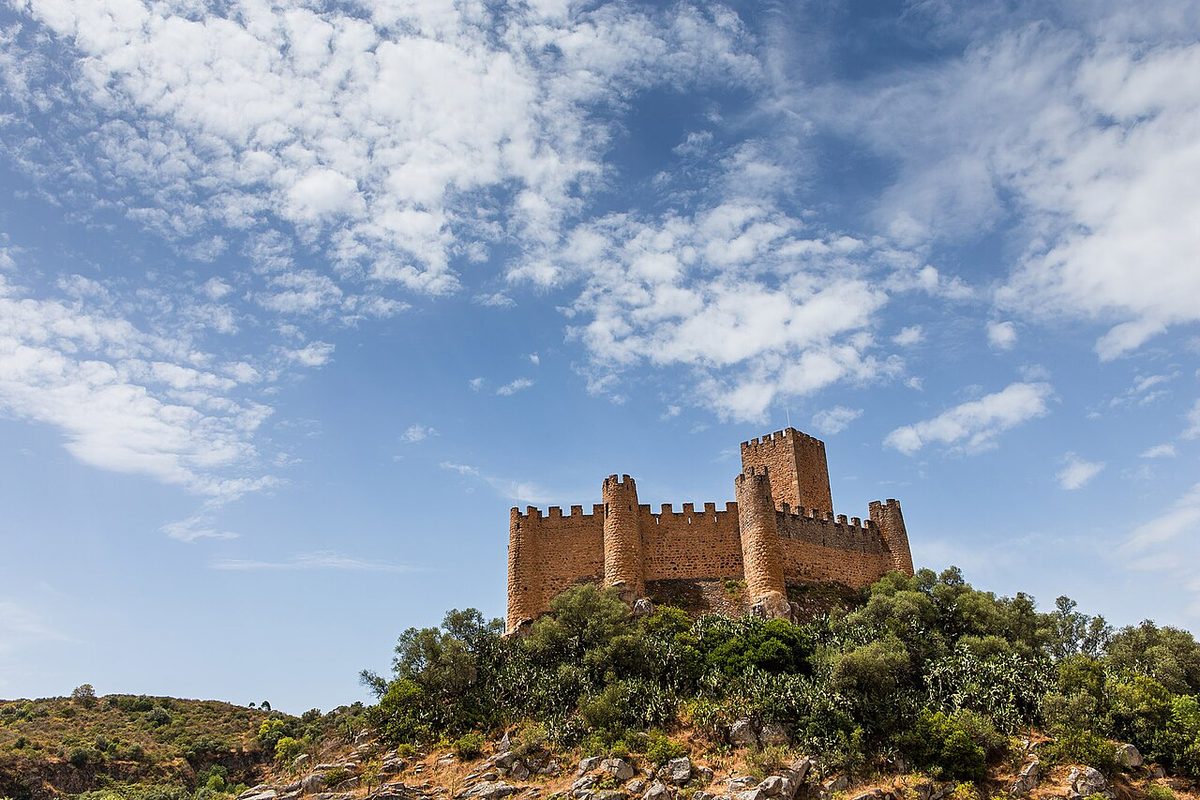
| 3 | Almourol | Tagus valley | Templar, 12th century | Short boat ride to the island | The most romantic setting in Portugal |
| 4 | Marvão | Alentejo | Medieval, rebuilt 17th | Village free; castle small fee | A walled eyrie at ~860 m |
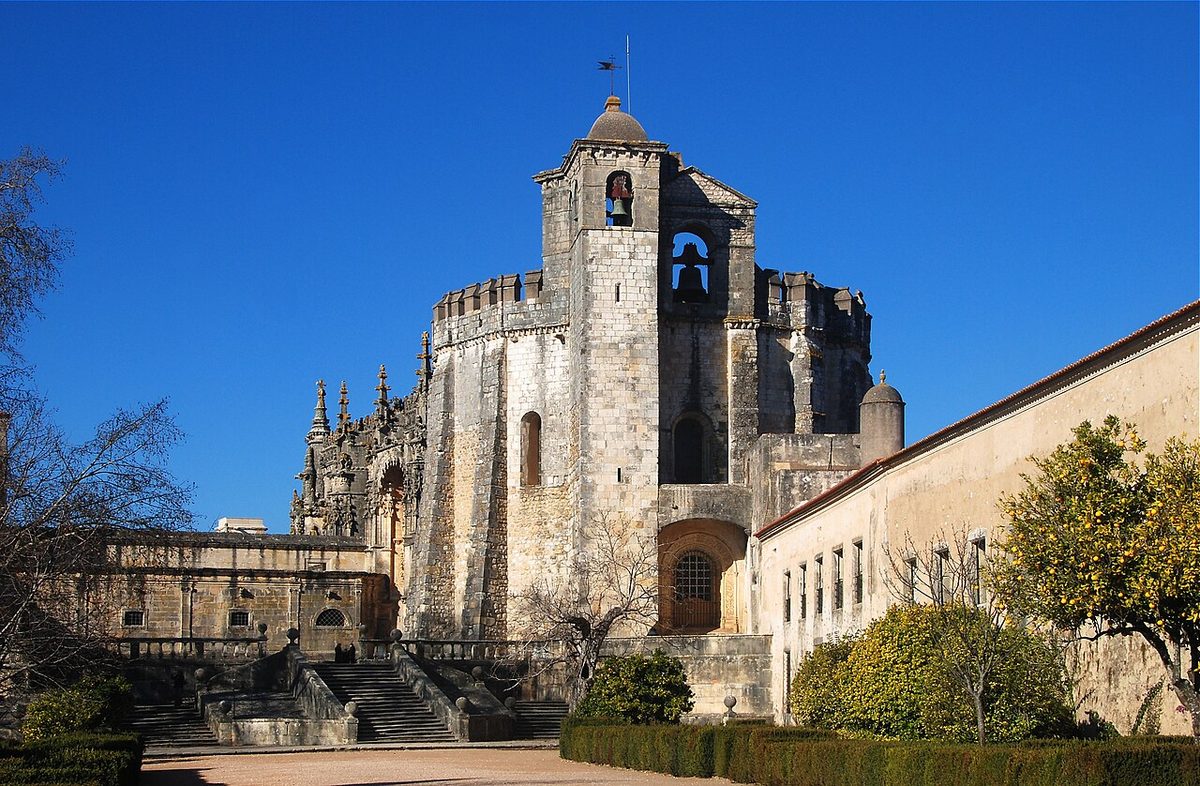
| 5 | Tomar (Convent of Christ) | Centre | Templar, 12th century onwards | €15 | Templar castle turned great convent |
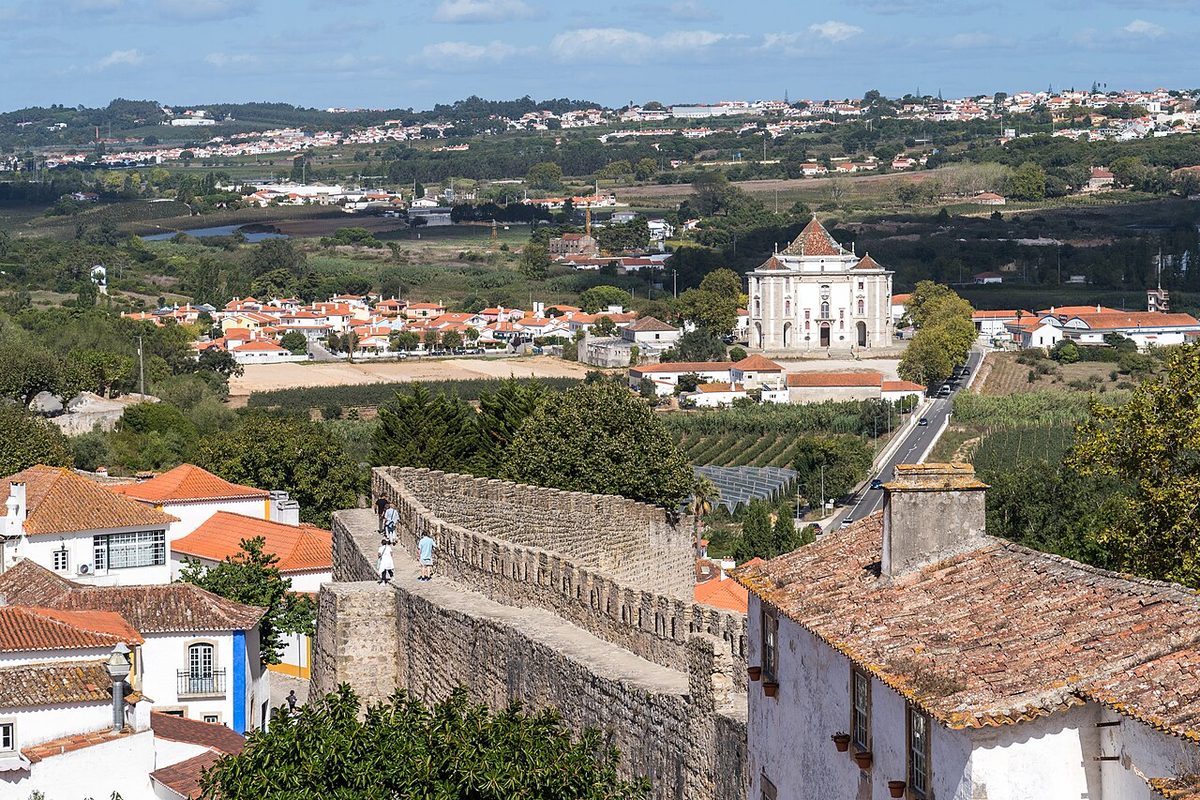
| 6 | Óbidos | Silver Coast | Medieval | Walls free | A complete walled town |
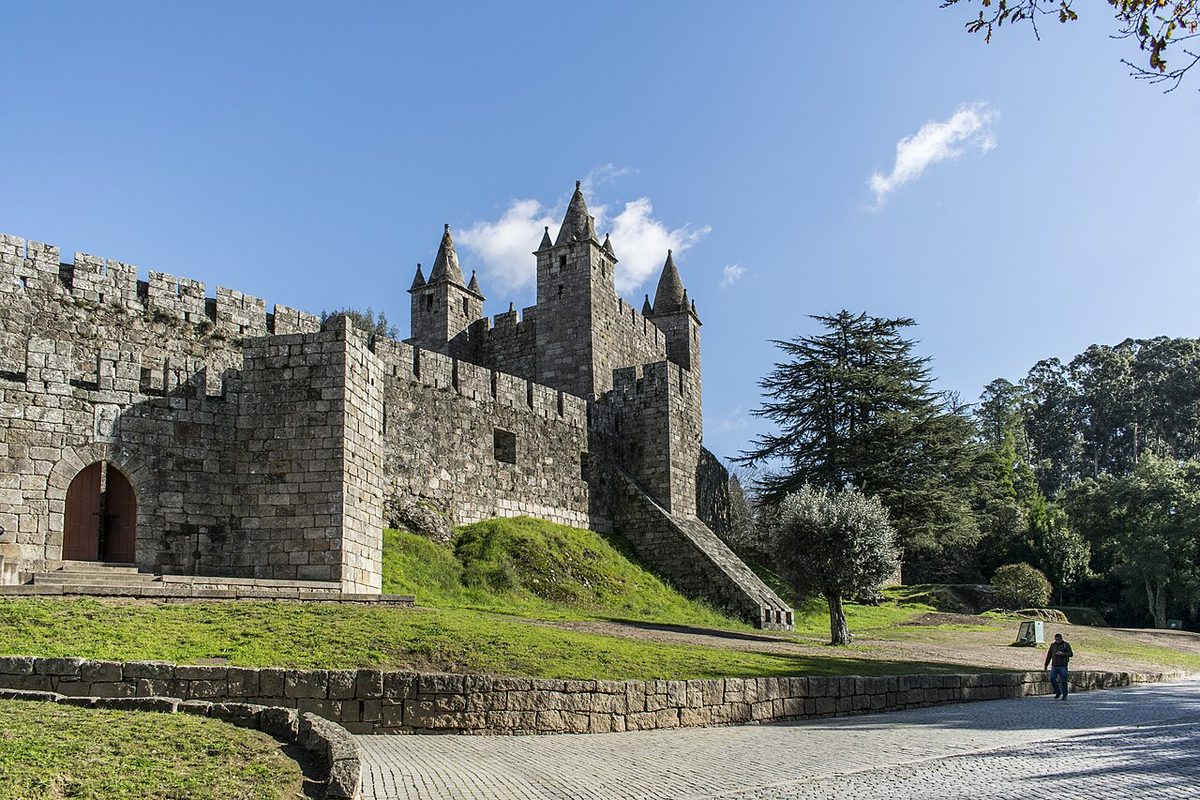
| 7 | Santa Maria da Feira | North | Medieval, 15th-century look | Small fee | The fairy-tale silhouette |
| 8 | Monsaraz | Alentejo | Medieval | Free | A walled village above the Alqueva lake |
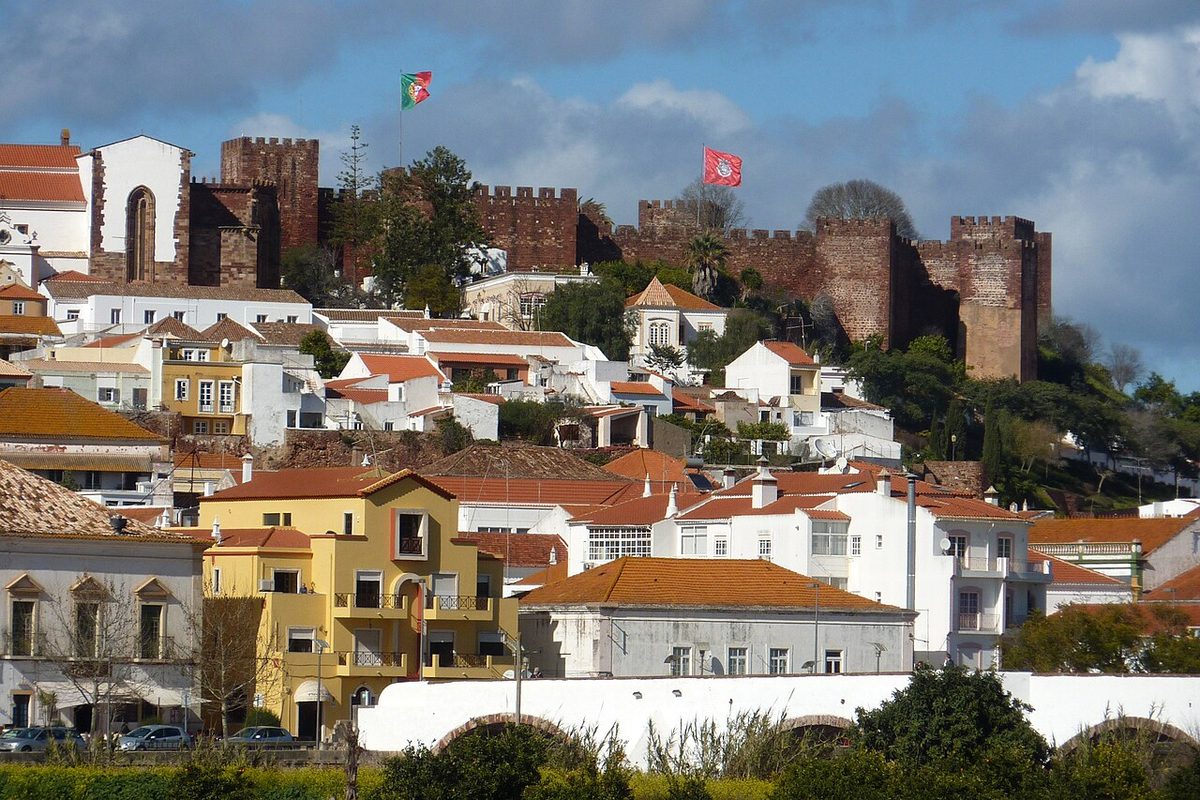
| 9 | Silves | Algarve | Moorish | Small fee | The Algarve’s red Moorish fortress |
| 10 | Bragança | North-east | 12th–15th century | Citadel free; keep museum small fee | A lived-in citadel on the edge of Portugal |
| 11 | São Jorge, Lisbon | Lisbon | Moorish and medieval | Check the official site | The view over Lisbon |
| 12 | Monsanto | Beira Baixa | Medieval ruin | Free | A castle among giant boulders |
How Portugal got so many castles
Portugal has several hundred castles, and most of them exist for one of two reasons. The first is the Reconquest. For about five centuries after the Muslim conquest of 711, the Christian north and the Islamic south fought over the land that became Portugal, and every hill that could be held was fortified: Moorish castles like Silves and Sintra’s Castelo dos Mouros, and Christian ones built as the frontier moved south. Afonso Henriques, the first king, took Lisbon in 1147 with the help of crusaders on their way to the Holy Land, and the conquest of the Algarve was completed in 1249.
The second reason is Castile. Once the south was taken, the border with the Spanish kingdoms became Portugal’s great danger, and it was fixed by the Treaty of Alcañices in 1297, which makes it one of the oldest borders in Europe. King Dinis, who signed it, built and rebuilt dozens of castles along it, and for the next five hundred years every war with Spain was fought across that line. That’s why the eastern edge of Portugal, from Bragança and the Historic Villages to Marvão, Elvas and Monsaraz, is lined with castles and fortified towns. When artillery made medieval walls obsolete, the frontier towns were given the star-shaped bastioned fortifications you see at Elvas, Almeida and Valença.
Later centuries added a third kind: the Romantic castle. In the nineteenth century, a fashion for the medieval produced fantasy palaces such as Pena, and restorations of real ruins, not always accurate, that made them look more like castles than they had for centuries. In the twentieth century, the Estado Novo regime restored many castles as symbols of national history. So what you see today is often a mix of genuine medieval stone and later imagination.
The castles, ranked
1. Guimarães
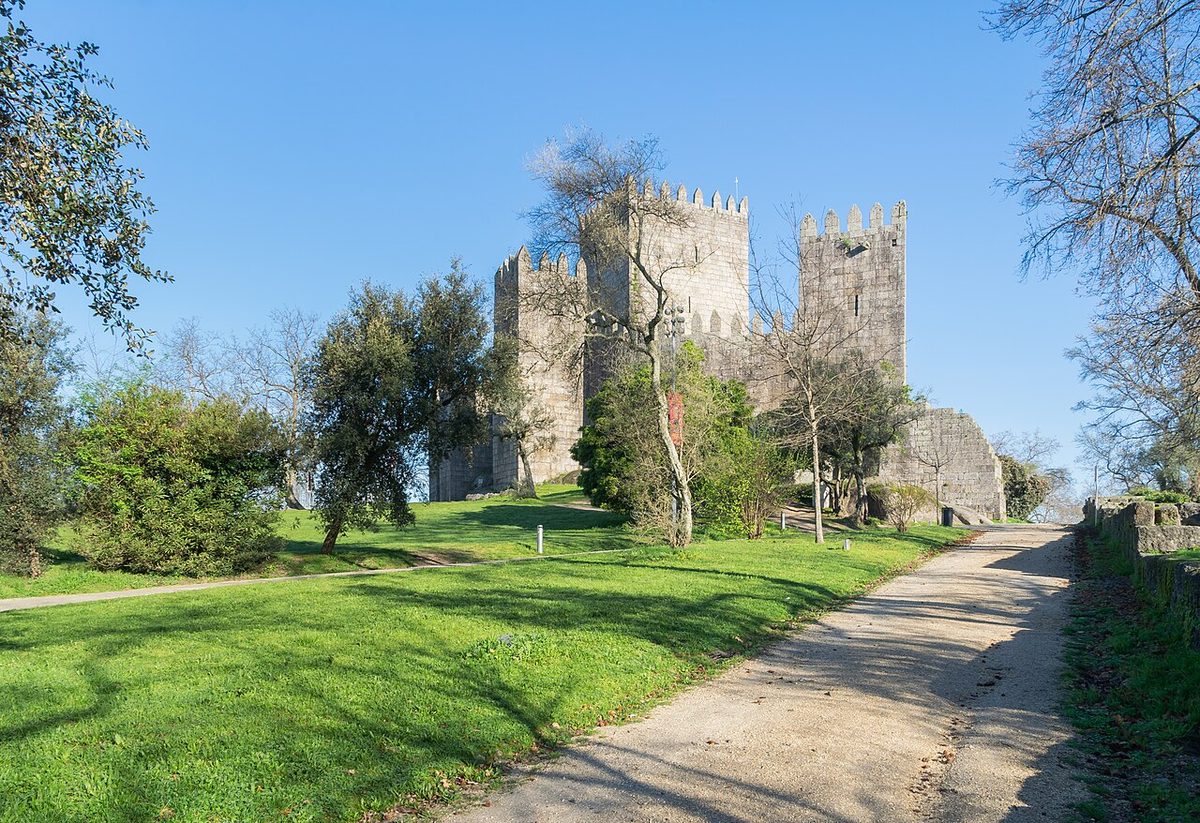
If one castle explains Portugal, it’s this one. The first tower was built in the tenth century by the Countess Mumadona Dias to protect a monastery from raiders, and the castle was later the seat of the counts of Portucale. Tradition says Afonso Henriques was born here, and in 1128 he won the battle of São Mamede nearby, the first step towards an independent kingdom. The words “Aqui nasceu Portugal”, “Portugal was born here”, are written on the old town wall. The castle is a compact, battlemented granite keep and walls on a grassy hill. Below it, the Paço dos Duques is a fifteenth-century ducal palace, heavily restored in the twentieth century, with brick chimneys and tapestries. The historic centre of Guimarães is a UNESCO World Heritage Site.
Tickets (Paço dos Duques site, September 2026): the ducal palace and castle together cost €8, or €13 with the Alberto Sampaio Museum, and the palace ticket has been reduced to €5 during a partial closure. Check the current state of works before you go. Verdict: the essential castle, and an easy day trip from Porto. Our guide to day trips from Porto has train times.
2. Castelo dos Mouros, Sintra
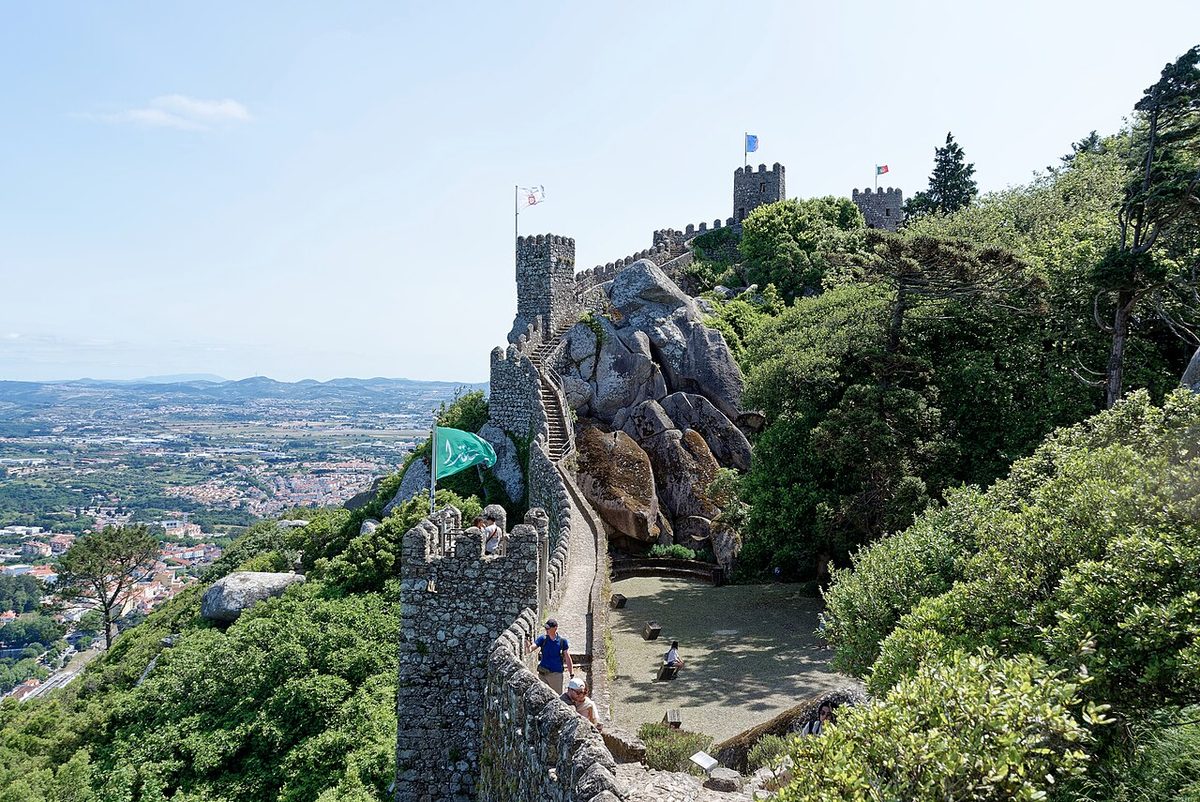
The Moorish Castle’s walls run along the crest of the Sintra hills like a smaller Great Wall, climbing over giant granite boulders from tower to tower, with views to the Atlantic, Lisbon and the Pena Palace on the next peak. It was built by the Moors around the ninth and tenth centuries and surrendered to Afonso Henriques after the fall of Lisbon in 1147. It fell into ruin, and in the nineteenth century King Ferdinand II, who built Pena, restored it as a picturesque ruin in the Romantic taste. What you walk on today is part medieval, part nineteenth-century imagination, and entirely spectacular.
Tickets (Parques de Sintra, checked September 2026): €12 adults, €10 for ages 6–17 and over-65s, €33 for a family of two adults and two children. It opens 09:30–18:00, and tickets bought online are for a specific date. Verdict: the best castle walk in Portugal, and less crowded than Pena. Walk up from the town by the footpath through Vila Sassetti (about 35 minutes) rather than queuing for the 434 bus.
3. Almourol
A small castle of towers and battlements stands on a rocky island in the middle of the Tagus, surrounded by water. It was rebuilt in 1171 by Gualdim Pais, master of the Knights Templar in Portugal, on the site of an older fortress, as part of the Templar defensive line along the river, which was then the frontier. It’s tiny inside, and the visit takes half an hour, but the setting, reached by a short boat ride from the riverbank, is the most romantic of any castle in the country. Verdict: an easy detour between Tomar and Lisbon. Check the boat times before you go.
4. Marvão
On a granite crag at around 860 metres in the Serra de São Mamede, Marvão is a complete walled village with a castle at its highest point, looking across the Alentejo and deep into Spain. Its position made it a key border fortress for centuries, and its walls were strengthened in the seventeenth century during the wars with Spain. The castle keep, cistern and walls are among the most dramatic in Portugal, especially at sunset. Verdict: the most spectacular castle village in Portugal. Sleep here if you can. Our Alentejo guide covers Marvão and the border towns.
5. Tomar: the Convent of Christ
The Knights Templar’s twelfth-century castle at Tomar became the headquarters of their Portuguese successors, the Order of Christ, and grew over four centuries into a vast convent with eight cloisters, a Manueline masterpiece of a window and, at its heart, the Charola, the Templars’ round church, painted and gilded inside. The castle walls still enclose the hilltop. It’s a UNESCO World Heritage Site. Tickets: €15, with 50% off for over-65s, 13–24s and families (checked September 2026). Verdict: strictly more convent than castle, but historically the most important site on this list. See our Central Portugal guide for the monastery route.
6. Óbidos
King Dinis gave Óbidos to Queen Isabel as a wedding present in 1282, and it’s the most complete walled town in Portugal: whitewashed lanes inside a full circuit of walls you can walk along the top of, with the castle at one corner, now a pousada. Verdict: walk the walls at sunset, holding on to children (there are no railings), and sleep inside if you can.
7. Santa Maria da Feira
Half an hour south of Porto, the castle at Santa Maria da Feira has the look children draw: a tall granite keep crowned with pointed conical turrets on a wooded hill. It’s medieval in origin, with its present appearance largely from the fifteenth century. Every summer the town holds one of the largest medieval festivals in Europe, the Viagem Medieval, with costumed markets, jousting and banquets. Verdict: a short, rewarding stop between Porto and Aveiro, and the best castle to see with children.
8. Monsaraz
A walled village with a small castle on a hill above the Alqueva lake, near the Spanish border. It’s tiny, whitewashed and almost car-free inside the walls, and the castle keep gives a view over the water into Spain. In the evening, and at night under some of the darkest skies in Europe, it’s magical. Verdict: stay the night, and climb the keep at sunset.
9. Silves
The red sandstone castle of Silves is the finest Moorish fortress in Portugal. Silves was the capital of the Algarve under Islamic rule, and the castle, restored in the twentieth century, has towers, walls and huge cisterns built to withstand a siege. The town changed hands several times at the end of the twelfth century. King Sancho I took it with the help of passing crusaders in 1189, and it was lost again two years later before the final Christian conquest in the thirteenth century. Verdict: the Algarve’s best historic sight, and a welcome break from the beach.
10. Bragança
In the far north-east, the walled citadel of Bragança is still a lived-in village, with a tall medieval keep that houses a military museum, a slender tower, and the Domus Municipalis, a rare Romanesque civic building. The Dukes of Bragança took their name from here and later became Portugal’s last royal family. Verdict: a long way from anywhere, but worth it if you’re exploring Trás-os-Montes.
11. São Jorge, Lisbon
Lisbon’s castle crowns the hill above Alfama, with walls and towers restored in the twentieth century and the best view in the city. It’s a Moorish fortress taken in 1147, and later the royal palace. It’s a fine visit for the view and the shaded gardens, though the castle itself is heavily restored. Admission is set by the city, and the official ticketing site couldn’t be checked from here in September 2026, so confirm the price there; it’s included in some Lisbon passes. Verdict: go early or late to avoid the crowds, and pair it with a walk through Alfama. Our Lisbon guide covers the castle alongside the rest of the city.
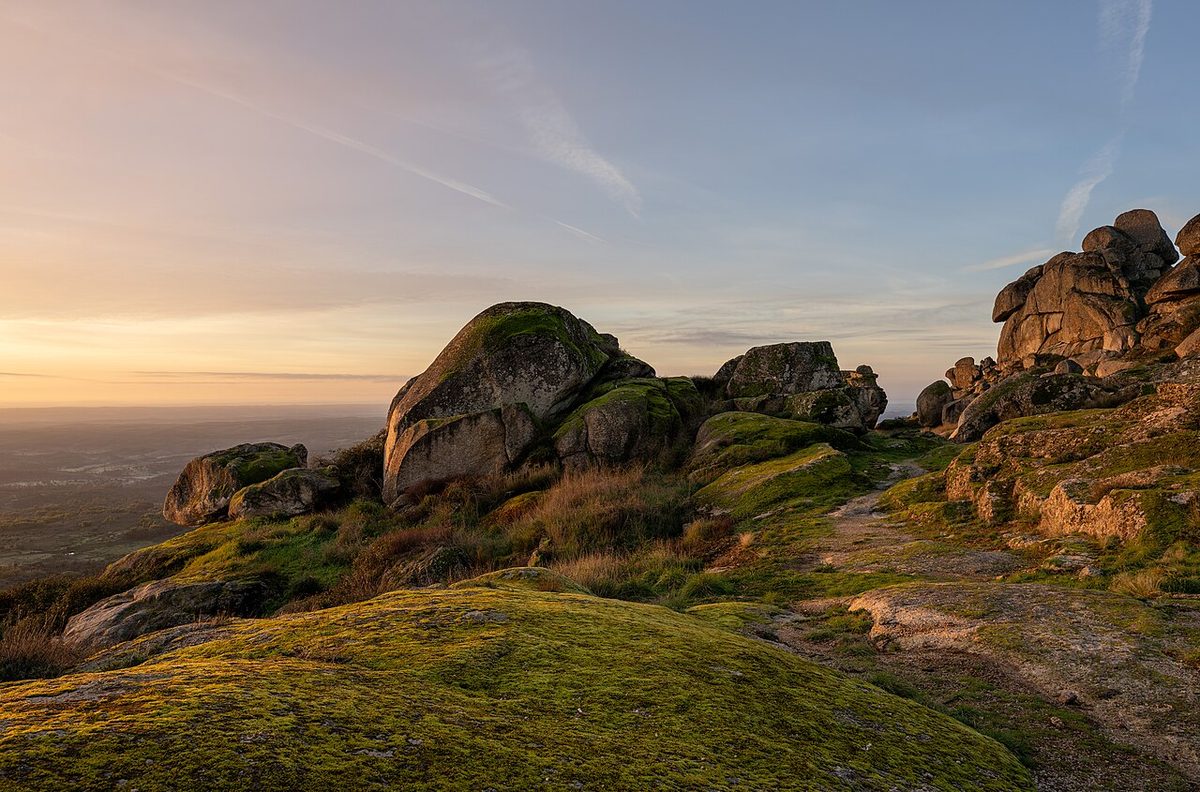
12. Monsanto
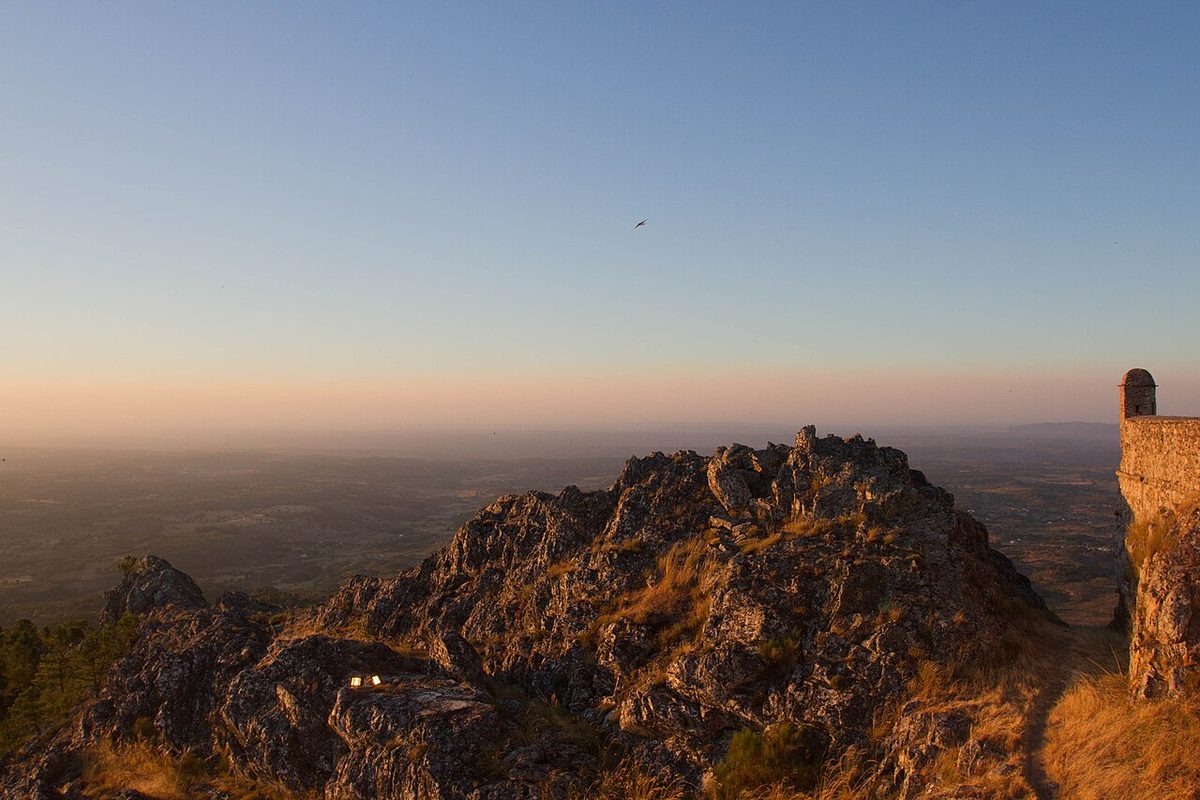
Monsanto, near the Spanish border in the Beira Baixa, was once voted “the most Portuguese village in Portugal”. Its houses are built among, and sometimes under, enormous granite boulders, and at the top of the hill the ruins of a castle stand among the rocks. The castle itself is a ruin, but the climb up through the village and the boulder-strewn summit, with views across the plain, stay with you long after the drive home. Verdict: go for the setting more than the castle, ideally at sunrise or sunset.
More castles worth a detour
- Elvas, on the Spanish border: the largest bulwarked dry-ditch fortifications in the world, with star-shaped walls and two outlying forts, a UNESCO World Heritage Site.
- Almeida, one of the Historic Villages: a twelve-pointed star fortress on the old frontier.
- Valença do Minho: a star-fort town facing the Spanish town of Tui across the Minho river.
- Castelo de Vide: a castle above a lovely spa town and a medieval Jewish quarter, ten minutes from Marvão.
- Évoramonte: a squat keep carved with stone knots on a ridge between Évora and Estremoz.
- Estremoz: a hilltop castle with a pousada and a tall keep above the marble town.
- Leiria: a castle on a rock above the city, with a Gothic loggia and a view over the monastery country.
- Porto de Mós: a small castle with distinctive green-tiled turret roofs, near Batalha.
- Palmela and Sesimbra: two castles above the Arrábida hills south of Lisbon, the first with a pousada in its convent, the second high above a fishing town.
- Beja: one of the tallest castle keeps in the Iberian peninsula, in the capital of the Baixo Alentejo.
- Mértola: a castle above the Guadiana, beside a church that was once a mosque.
- Sortelha and Castelo Rodrigo: two of the Historic Villages along the border, each with a castle and walls around a stone village.
- Paderne: the ruin of an Almohad castle of rammed earth in the Algarve hills, an unusual survivor of Moorish building.
Palaces that look like castles
Several of Portugal’s most photographed “castles” are really palaces, and they’re a different kind of visit, with interiors, gardens and timed tickets.
- Pena Palace, Sintra. A nineteenth-century Romantic fantasy in yellow and red on a peak above Sintra, built by King Ferdinand II around a former monastery. Official prices, September 2026: €20 for the Essential visit (palace), €45 for the Total visit (palace and park), and more for guided visits; the park alone is €12. Palace entry is timed. Some resellers still quote the older, cheaper structure, so book on the official site.
- The National Palace of Sintra. The medieval royal palace in the centre of Sintra, with its two enormous conical kitchen chimneys and some of the finest early azulejos in Portugal. €13 for the Essential visit, €35 for the Total visit (official prices, September 2026).
- Monserrate, Sintra. An exotic nineteenth-century palace with Moorish-style interiors in a glorious landscaped park. €12.
- Queluz, near Lisbon. A pink Rococo royal palace with formal gardens, sometimes called Portugal’s Versailles. €13.
- Buçaco Palace Hotel. A neo-Manueline royal hunting lodge in an ancient forest near Coimbra, now a hotel.
Portugal’s history in twelve dates
| Date | What happened | Where to see it |
|---|---|---|
| 2nd century BC–5th century AD | Roman Lusitania | Conímbriga, Évora’s temple |
| 711 | The Muslim conquest of Iberia begins five centuries of Islamic rule in the south | Silves, Mértola, Sintra’s Moorish Castle |
| 1128–1143 | Afonso Henriques wins at São Mamede and becomes Portugal’s first king | Guimarães |
| 1147 | Lisbon taken with the help of crusaders | São Jorge Castle |
| 1249 | The conquest of the Algarve completed | Silves, Faro |
| 1297 | The Treaty of Alcañices fixes the border with Castile | The border castles, from Bragança to Monsaraz |
| 1385–1386 | Victory at Aljubarrota; the Treaty of Windsor with England | Batalha Monastery |
| 1415–1500 | The voyages of discovery, from Ceuta to India and Brazil | Tomar, Belém, Sagres |
| 1580–1640 | Union with Spain, then restoration under the Duke of Bragança | Vila Viçosa, Elvas |
| 1755 | The Lisbon earthquake | Alfama, which survived because it sits on rock |
| 1910 | The monarchy falls and Portugal becomes a republic | Lisbon |
| 25 April 1974 | The Carnation Revolution ends the dictatorship | Lisbon; the museum in Peniche’s fortress |
Portugal’s UNESCO World Heritage Sites
Many of Portugal’s castles and monuments are part of its World Heritage Sites. These are the ones most relevant to a heritage trip:
| Site | Region | Listed |
|---|---|---|
| Convent of Christ, Tomar | Centre | 1983 |
| Batalha Monastery | Centre | 1983 |
| Jerónimos Monastery and Belém Tower | Lisbon | 1983 |
| Angra do Heroísmo | Azores (Terceira) | 1983 |
| Historic centre of Évora | Alentejo | 1986 |
| Alcobaça Monastery | Centre | 1989 |
| Cultural landscape of Sintra | Lisbon area | 1995 |
| Historic centre of Porto | North | 1996 |
| Côa Valley rock art | North-east | 1998 |
| Laurisilva of Madeira | Madeira | 1999 |
| Historic centre of Guimarães | North | 2001 |
| Alto Douro wine region | North | 2001 |
| Pico island vineyards | Azores | 2004 |
| Elvas and its fortifications | Alentejo | 2012 |
| University of Coimbra | Centre | 2013 |
| Mafra Palace | Lisbon area | 2019 |
| Bom Jesus do Monte, Braga | North | 2019 |
Three castle routes
The north: Guimarães, Feira and Bragança
From Porto, visit Guimarães (an hour by train) for the castle and ducal palace, then Santa Maria da Feira (half an hour south) on another day. With a car and three days, head north-east through Trás-os-Montes to Bragança’s citadel. Chaves, on the way, has a Roman bridge and a castle keep. Add Valença’s star fort on the Minho border for a full loop.
The centre: Óbidos, Tomar and Almourol
From Lisbon, drive to Óbidos and sleep inside the walls, then take in Leiria’s castle and Porto de Mós’s green-roofed turrets on the way to Tomar’s Convent of Christ, and finish at Almourol on the Tagus. Add the monasteries at Batalha and Alcobaça, and you have the richest three days of heritage in Portugal. Our Portugal road trip guide has driving times.
The Alentejo frontier: Évoramonte to Marvão
From Évora, drive to Évoramonte and Estremoz, then along the frontier to Elvas’s star fort, north to Castelo de Vide and up to Marvão for the sunset. On another day, go south-east to Monsaraz above the Alqueva, and on to Mértola if you have time. This is castle country at its most atmospheric, and the roads are nearly empty.
Sleeping in a castle
Portugal’s state-founded pousadas include several set inside castles or fortified convents, and a night in one is the best way to feel a castle after the visitors leave. Among them are the castle at Óbidos, the hilltop castle at Estremoz, the castle-convent at Palmela above the Arrábida hills, the castle at Alvito in the Alentejo, and the fortress at Vila Nova de Cerveira on the Minho. In Guimarães, the pousada is in the monastery of Santa Marina above the town, and in Évora it’s in a convent beside the Roman temple. They’re not cheap, and rooms inside medieval walls can be small, but one night in a castle is a highlight of many trips. Book early for summer and weekends.
Visiting tips
- Check the opening days. Many state-run monuments close on Mondays and on some public holidays, while the Sintra monuments open daily. Castles with open walls, such as Óbidos and Monsaraz, can be walked at any time.
- Book the Sintra palaces online. Pena and the other Parques de Sintra monuments sell date-specific tickets online, and Pena’s palace entry is timed.
- Wear proper shoes. Castle walls mean steep, uneven steps and polished stone, often with no railings.
- Go early or late. The most famous castles are crowded at midday, especially Sintra’s, and the light is better at the ends of the day.
- Mind the heat. Alentejo castles are exposed and very hot on summer afternoons.
- Combined tickets. Guimarães, Sintra and Lisbon offer combined tickets or passes that can save money if you’re visiting several sites.
- Residents’ free days. Portuguese residents get free entry to state monuments on a set number of days a year; visitors pay the full price.
For moving between castles by train, bus or car, see our guide to getting around Portugal.
Moorish Portugal: what survives
For about five hundred years, most of what is now Portugal was part of al-Andalus, the Islamic world of the Iberian peninsula. The south-west was known as al-Gharb, “the west”, which is where the name Algarve comes from. The Moorish period left fewer monuments than you might expect, because most were rebuilt, converted or destroyed after the Christian conquest, but its traces are everywhere once you know how to look.
- Castles. Silves, the red sandstone fortress of the Algarve’s Islamic capital, is the best preserved. Sintra’s Castelo dos Mouros is Moorish in origin, though heavily restored. The ruined castle at Paderne, in the Algarve hills, is built of taipa, rammed earth, the typical Almohad technique, and is a rare survivor of it.
- A mosque. The parish church of Mértola, above the Guadiana, was a mosque, and it still has its horseshoe arches and prayer niche. It’s the most complete surviving mosque building in Portugal.
- Lisbon. The Alfama district keeps the tangled street plan of the Moorish city, and São Jorge Castle stands on the site of the Moorish citadel.
- Words and names. Hundreds of Portuguese words come from Arabic, many of them starting with “al”: aldeia (village), almofada (cushion), azeite (olive oil), and azulejo, the glazed tile, from a word for a small polished stone. Place names like Algarve, Alcácer, Almada and Alfama have the same roots.
- Farming. Irrigation channels, waterwheels and terraced gardens in the south owe much to Moorish techniques, as do many of the region’s almond, fig and citrus orchards.
Mértola’s Islamic festival, held in May in odd-numbered years, is the liveliest celebration of this heritage, and our Alentejo guide covers the town in more detail.
The Templars and the Order of Christ
The Knights Templar arrived in Portugal early in the twelfth century and became one of the new kingdom’s most important military forces during the Reconquest. Their master in Portugal, Gualdim Pais, who had fought in the Holy Land, founded the castle at Tomar in 1160 as the headquarters of the order, and built or rebuilt a chain of castles along the Tagus frontier, including Almourol in 1171. In 1190 Tomar’s walls held off an Almohad army, an event still commemorated in an inscription at the castle.
When the order was suppressed across Europe in 1312, King Dinis took a different path from the French crown. In 1319 he founded a new order, the Order of Christ, which inherited the Templars’ lands, castles and wealth in Portugal. Its most famous governor was Henry the Navigator, and the order’s revenues helped fund the voyages of discovery. The red cross painted on the sails of Portuguese ships was the cross of the Order of Christ. That’s why the convent at Tomar, with its round Templar church and its carved Manueline window full of ropes and sea imagery, sits at the crossroads of two of the biggest stories in Portuguese history: the crusades and the discoveries.
How to read a Portuguese castle
A few terms will make any castle visit richer.
- Torre de menagem: the keep, the strongest tower and the last line of defence, where the lord or governor lived and where the castle’s oath of loyalty was sworn. Guimarães, Beja, Bragança and Évoramonte have fine examples.
- Alcáçova: from Arabic, the fortified citadel or palace area inside a larger town wall, as at Lisbon’s São Jorge and Silves.
- Muralhas: the town walls. In places like Óbidos, Monsaraz and Marvão, the whole village sits inside them.
- Cisterns: the key to surviving a siege. Silves and Marvão have impressive vaulted ones.
- Barbican and gates: fortified outer gates, often with a bend or a double door to slow attackers.
- Taipa: rammed earth, the Moorish building technique, visible at Paderne and in parts of other southern castles.
- Bastioned or star forts: the angular, low, thick-walled fortifications designed for the age of artillery from the seventeenth century, as at Elvas, Almeida and Valença.
- Pelourinho: the stone pillory column in a town square. It was a symbol of a town’s municipal rights rather than just a place of punishment, and many are finely carved.
- Manueline: the exuberant late-Gothic style of the early sixteenth century, full of ropes, knots, coral, armillary spheres and the cross of the Order of Christ, seen at its best at Tomar, Batalha and Belém.
Castles by region: a quick finder
| Region | Castles and fortifications | Base |
|---|---|---|
| Porto and the north | Guimarães, Santa Maria da Feira, Valença, Vila Nova de Cerveira, Chaves, Bragança | Porto, Guimarães, Braga |
| The Historic Villages and Beiras | Monsanto, Sortelha, Almeida, Castelo Rodrigo, Belmonte, Penedono | A village guesthouse, or Guarda and Covilhã |
| Central Portugal | Óbidos, Leiria, Porto de Mós, Tomar, Almourol | Óbidos, Tomar, Coimbra |
| Lisbon and around | São Jorge, Castelo dos Mouros, Palmela, Sesimbra | Lisbon, Sintra |
| The Alentejo | Marvão, Castelo de Vide, Elvas, Estremoz, Évoramonte, Monsaraz, Beja, Mértola | Évora, Marvão, Monsaraz |
| The Algarve | Silves, Paderne, Castro Marim, Sagres fortress | Lagos, Tavira, Silves |
| The Azores | Angra do Heroísmo’s fortresses on Terceira | Angra do Heroísmo |
For the regions themselves, see our guides to central Portugal, the north and the Algarve.
Castles with children
Portuguese castles are great for children, with walls to walk, towers to climb, and in summer, knights and markets. A few tips:
- Start with the fairy-tale ones. Santa Maria da Feira’s pointed turrets and Almourol’s island setting, with its boat ride, win over most children immediately.
- Walls without railings. Óbidos, Marvão and Monsaraz have long stretches of wall walk with no railings and sheer drops. Hold hands and keep small children off the top.
- The Moorish Castle in Sintra is an adventure of steps and towers, but it’s steep and busy. Go early.
- Time a visit for a festival. The summer medieval festivals, below, bring the castles to life for children more than any museum could.
- Keep it short. One castle and a long lunch beats three castles in a day.
Medieval festivals and re-enactments
| When | Festival | Where |
|---|---|---|
| July | Medieval market inside the walls | Óbidos |
| Summer (late July into August) | Viagem Medieval, one of the largest medieval festivals in Europe | Santa Maria da Feira |
| August | Medieval fair at the castle | Silves |
| Late summer | Medieval days in the castle town on the Guadiana | Castro Marim |
| May, in odd-numbered years | Islamic festival, with a souk in the old town | Mértola |
Expect costumed markets, jousting, music, falconry, craft stalls and a great deal of roast meat. These festivals fill their towns, and accommodation, for their duration, so book early, and check the exact dates with the organisers each year.
The castle king: Dinis and the frontier
If one monarch shaped the castles you’ll visit, it’s King Dinis, who reigned from 1279 to 1325. He signed the Treaty of Alcañices in 1297, fixing the border with Castile, and then set about defending it, building and rebuilding castles from the Minho to the Guadiana. Many of the keeps and walls along the eastern frontier date from his reign. He was also a poet king who founded Portugal’s first university in 1290, is traditionally credited with planting the great pine forest at Leiria, and in 1319 created the Order of Christ from the ruins of the Templars. His wife, Queen Isabel, received Óbidos as a wedding present and became the Rainha Santa, the “Holy Queen”, famous for the legend in which the bread she was secretly carrying to the poor turned into roses when the king challenged her. She is buried in Coimbra. When you see a medieval castle on the Portuguese border, there’s a good chance Dinis had a hand in it.
Star forts and the Restoration War
In 1580 the Portuguese crown passed to the king of Spain, and for sixty years the two countries shared a monarch. In 1640 a group of Portuguese nobles rebelled and proclaimed the Duke of Bragança king as João IV, and there followed a war with Spain that lasted until 1668. Medieval walls were no match for artillery, so the frontier towns were rebuilt with the new style of fortification: low, thick, angled walls and bastions laid out in star shapes, with wide ditches and outworks, designed so that every stretch of wall could be covered by gunfire from another.
The greatest of them is Elvas, facing the Spanish city of Badajoz, whose star-shaped walls were tested in the war and held. In the eighteenth century the Forte da Graça was added on a hill outside the town. Elvas’s fortifications are now a UNESCO World Heritage Site and the largest bulwarked dry-ditch system in the world. Almeida, in the Beiras, is a perfect twelve-pointed star around a village, and Valença, on the Minho, faces Tui across the river with its own double star fort. They’re a very different kind of castle from the medieval keeps, and much more impressive from the air than from the ground, so walk the ramparts to understand them.
Lisbon’s river fortresses
Lisbon’s defences weren’t only on its hills. At the mouth of the Tagus, a line of fortresses guarded the approach to the capital. The most famous is the Belém Tower, built in the early sixteenth century as a fortress in the river, and now a UNESCO World Heritage Site alongside the Jerónimos Monastery. Further west, the large Fort of São Julião da Barra at the river mouth is still used by the state. The Cascais citadel, a seventeenth-century fortress on the seafront, now holds a pousada, art spaces and restaurants.
Reaching the castles without a car
- Sintra’s Moorish Castle: train from Lisbon’s Rossio station to Sintra (about 40 minutes), then the footpath up through Vila Sassetti or the 434 bus.
- Guimarães: the urban train from Porto’s São Bento station takes roughly 1h05–1h25, and the castle is a short walk from the historic centre.
- Óbidos: buses from Lisbon’s Campo Grande take about an hour and stop outside the walls.
- Tomar: regional trains from Lisbon take about two hours, and the Convent of Christ is a walk uphill from the station.
- Almourol: there’s a small railway halt near the river, but services are infrequent. A car or taxi from Tomar or Entroncamento is more practical.
- Silves: Silves station is on the Algarve line, a couple of kilometres from the town, with taxis available.
- Marvão, Monsaraz, Monsanto and the Historic Villages: realistically car-only.
For timetables, fares and car hire across the country, see our Portugal transport guide.
The best time of day at each castle
| Castle | Go | Why |
|---|---|---|
| Guimarães | Morning | Before the day-trip groups arrive from Porto |
| Castelo dos Mouros | At opening, 09:30 | The walls are narrow, and Sintra fills fast |
| Almourol | Late afternoon | Warm light on the stone and the river |
| Tomar | First entry | The cloisters are quietest early |
| Óbidos | Evening | The coaches have gone, and the walls catch the sunset |
| Marvão | Sunset | The finest view in the Alentejo |
| Monsaraz | Sunset, then after dark | The lake at dusk, then the stars |
| Silves | Morning in summer | The red stone gets very hot by afternoon |
| Monsanto | Sunrise or sunset | Low light on the boulders |
A note on accessibility: most Portuguese castles are hard going for anyone with limited mobility. They mean steep, uneven stone steps, narrow wall walks and cobbled approaches, and lifts are rare. The grounds and lower levels of some sites are more accessible than the walls, and palaces such as the ducal palace in Guimarães and the Sintra palaces are generally easier than the fortresses. Contact the site before you travel for current arrangements.
What to skip, and what’s overrated
Pena Palace as a “castle”. It’s a wonderful nineteenth-century folly, but it isn’t a medieval castle, and at €20–45 in a timed slot with crowds, it’s not the best castle experience in Sintra. The Moorish Castle next door is.
São Jorge for the castle alone. The walls are heavily restored and it’s busy. Go for the view and the gardens, and don’t expect medieval authenticity.
Driving to Bragança just for the castle. It’s a long drive. Go if you’re exploring the north-east, not as a castle pilgrimage from Lisbon.
Monsanto’s castle, if you expect a castle. It’s a ruin among boulders. The village and the setting are the reason to go.
Visiting Óbidos at midday on a summer Saturday. The walls are lovely and the main street is a queue. Come in the evening.
Paying for every castle. Some of the most atmospheric castles and walled villages, including Óbidos’s walls, Monsaraz and Marvão’s streets, cost nothing to walk around.
Frequently asked questions
What is the most famous castle in Portugal?
The Pena Palace in Sintra is the most photographed, but it’s a nineteenth-century palace. The most famous medieval castles are Guimarães, where Portugal is said to have been born, Sintra’s Moorish Castle and Lisbon’s São Jorge.
How many castles are there in Portugal?
Several hundred, from complete fortresses to a single tower or stretch of wall. Most were built during the Reconquest or along the border with Castile, which was fixed in 1297.
How much does it cost to visit the Moorish Castle in Sintra?
€12 for adults, €10 for ages 6–17 and over-65s, and €33 for a family, on the Parques de Sintra site in September 2026. It opens 09:30–18:00, and online tickets are for a set date.
How much is Guimarães castle?
A combined ticket for the Paço dos Duques and the castle cost €8 in September 2026, or €13 with the Alberto Sampaio Museum, with a reduced €5 palace ticket during partial works. Check the current situation on the palace’s own site.
Can you stay in a castle in Portugal?
Yes. Several pousadas are inside castles or fortified convents, including those at Óbidos, Estremoz, Palmela, Alvito and Vila Nova de Cerveira. Book early for summer.
Which castles can you visit from Lisbon?
São Jorge in the city, the Moorish Castle in Sintra, Palmela and Sesimbra south of the river, Óbidos about an hour north, and Almourol and Tomar about an hour and a half away.
Which castles can you visit from Porto?
Guimarães (about an hour by train) and Santa Maria da Feira (half an hour south) are the easiest. Bragança and Valença are further but make a good multi-day trip.
What’s the difference between the Moorish Castle and Pena Palace?
The Moorish Castle is a medieval fortress from around the ninth and tenth centuries, restored in the nineteenth. Pena is a Romantic palace built in the nineteenth century on the next peak. They’re next to each other in Sintra and have separate tickets.
Is Almourol castle worth visiting?
Yes, for the setting: a Templar castle alone on an island in the Tagus, reached by a short boat ride. The castle itself is small, and the visit takes about half an hour.
What is the best castle in the Algarve?
Silves, the red sandstone Moorish castle in the former Islamic capital of the Algarve. It’s inland from the coast and makes an easy half-day trip from the beaches.
Several of the border castles on this list belong to the twelve Historic Villages of the Beira interior. Our interior guide to the Serra da Estrela and the Historic Villages ranks all twelve, from Monsanto’s boulders and Sortelha’s walls to Almeida’s star fortress, and explains why the old frontier is so heavily fortified.
Many of these castles stand guard over villages that are worth a night in their own right. Our guide to Portugal’s prettiest villages ranks Marvão, Monsaraz, Sortelha, Castelo Rodrigo and Linhares da Beira among twenty, with the best time to see each.
Several of these castles sit inside World Heritage Sites: the Moorish Castle in Sintra’s cultural landscape, Guimarães’s castle in its historic centre, and the Templars’ stronghold at Tomar. Our guide to the UNESCO World Heritage Sites of Portugal maps all seventeen, including Elvas’s star-shaped fortifications.
Where to go next
- The best things to do in Portugal, castles and beyond
- Day trips from Lisbon, with Sintra and Óbidos
- The Algarve, with Silves
- The Azores, with Angra do Heroísmo’s fortresses
Photo credits
- Almourol castle on its island in the Tagus (featured image) — isogood, CC BY-SA 4.0, via Wikimedia Commons
- Castelo dos Mouros, Sintra — Jakub Hałun, CC BY 4.0, via Wikimedia Commons
- Santa Maria da Feira castle — Jorge Lobo, CC BY-SA 4.0, via Wikimedia Commons
- Boulders near Monsanto castle at sunrise — Jules Verne Times Two, CC BY-SA 4.0, via Wikimedia Commons
Prices checked September 2026 on the Parques de Sintra, Paço dos Duques and Convent of Christ sites; smaller castles charge modest fees that change from year to year, and Lisbon’s São Jorge price couldn’t be confirmed at source. Last updated: September 2026.