Lists of the best small towns in Portugal usually mix three different things: villages of a few hundred people, small towns, and cities like Aveiro and Braga with populations in the tens of thousands. The distinction matters, because a town is somewhere you can actually base yourself for a few nights, with restaurants open in the evening, a pharmacy, often a train or bus station, and life that carries on whether or not visitors turn up. This guide ranks 25 genuine small towns across mainland Portugal, with what makes each worth a night, how to reach it without a car where that’s possible, and an honest verdict.
The short answer: the best small towns in Portugal are Tavira in the eastern Algarve, Óbidos inside its medieval walls, Tomar below the Templars’ convent, Ponte de Lima on its ancient bridge, Lagos for the cliffs, Castelo de Vide in the Alentejo hills and Amarante on the Tâmega. Tavira, Tomar, Lagos and Viana do Castelo are all easy to reach by train.
The best small towns in Portugal at a glance
“Car-free?” says whether the town is reasonably reachable by train or regular bus from Lisbon, Porto or Faro. Travel times and prices in the guide were checked in September and October 2026 and are approximate.
| # | Town | Region | Best for | Car-free? | Nights |
|---|---|---|---|---|---|
| 1 | Tavira | Algarve | An elegant old town plus island beaches | Yes, train | 2–3 |
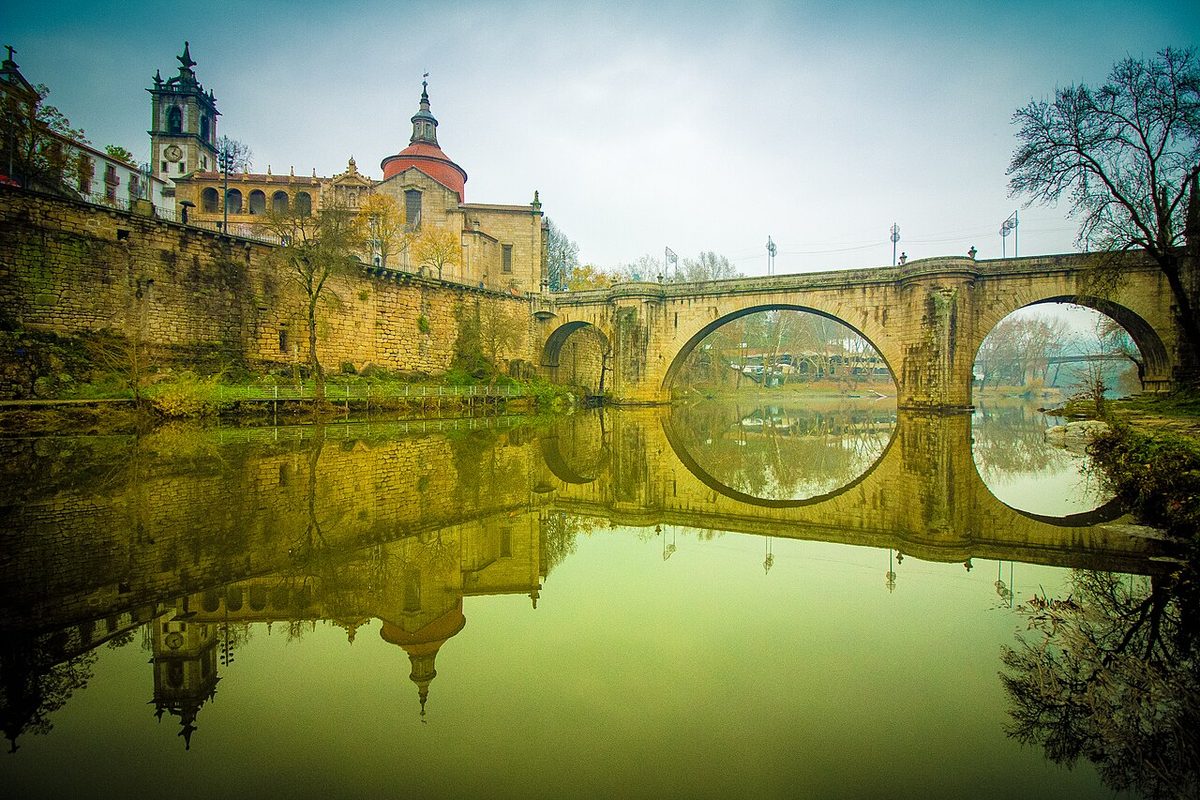
| 2 | Óbidos | Silver Coast | Walled medieval streets | Yes, bus | 1 |
| 3 | Tomar | Centre | The Templars’ Convent of Christ | Yes, train | 1–2 |
| 4 | Ponte de Lima | Minho | A river town, markets, vinho verde | Yes, bus | 1–2 |
| 5 | Lagos | Algarve | Cliffs, coves and nightlife | Yes, train | 3–4 |
| 6 | Castelo de Vide | Alentejo | A white hill town, Jewish quarter | Barely | 1–2 |
| 7 | Amarante | North | Bridge, monastery, convent sweets | Yes, bus | 1 |
| 8 | Ericeira | Lisbon coast | Surf and seafood | Yes, bus | 2–3 |
| 9 | Mértola | Alentejo | Islamic heritage above the Guadiana | Barely | 1–2 |
| 10 | Lamego | Douro | Baroque staircase, wine country | Yes, bus | 1 |
| 11 | Viana do Castelo | Minho | Festivals, beach, hilltop basilica | Yes, train | 1–2 |
| 12 | Estremoz | Alentejo | Marble town, Saturday market | Yes, bus | 1 |
| 13 | Elvas | Alentejo | UNESCO fortifications | Yes, bus | 1 |
| 14 | Belmonte | Beira | Jewish heritage, Cabral | Train to nearby station | 1 |
| 15 | Trancoso | Beira | Walls, a royal wedding, sweets | Bus | 1 |
| 16 | Nazaré | Silver Coast | Fishing town, giant winter waves | Yes, bus | 1–2 |
| 17 | Sesimbra | Lisbon region | Fish restaurants, Cabo Espichel | Yes, bus | 1–2 |
| 18 | Vila Nova de Milfontes | Alentejo coast | River beach, cliff walks | Yes, bus | 2–3 |
| 19 | Olhão | Algarve | Fish market, lagoon islands | Yes, train | 1–2 |
| 20 | Silves | Algarve | Moorish castle, orange groves | Yes, train | 1 |
| 21 | Valença | Minho | Border fortress facing Spain | Yes, train | 1 |
| 22 | Chaves | Trás-os-Montes | Roman bridge, hot springs, pastries | Yes, bus | 1 |
| 23 | Constância | Ribatejo | Two rivers, a poet, Almourol | Car best | 1 |
| 24 | Serpa | Alentejo | Walls, aqueduct, cheese, cante | Bus | 1 |
| 25 | Caminha | Minho | River mouth facing Spain | Yes, train | 1 |
Why base yourself in a small town
Portugal’s cities are wonderful, but its small towns are where many travellers end up happiest. They’re cheaper, quieter and friendlier; you can walk everywhere; the restaurants feed locals, not tour groups; and many sit within a short drive of the villages, beaches and monuments you came to see. A night in a town like Tomar, Tavira or Ponte de Lima also lets you see a place after the day-trippers leave, which is when most of them come into their own. If you want even smaller places, our ranking of the most beautiful villages in Portugal covers twenty of them.
The 25 best small towns, ranked
1. Tavira
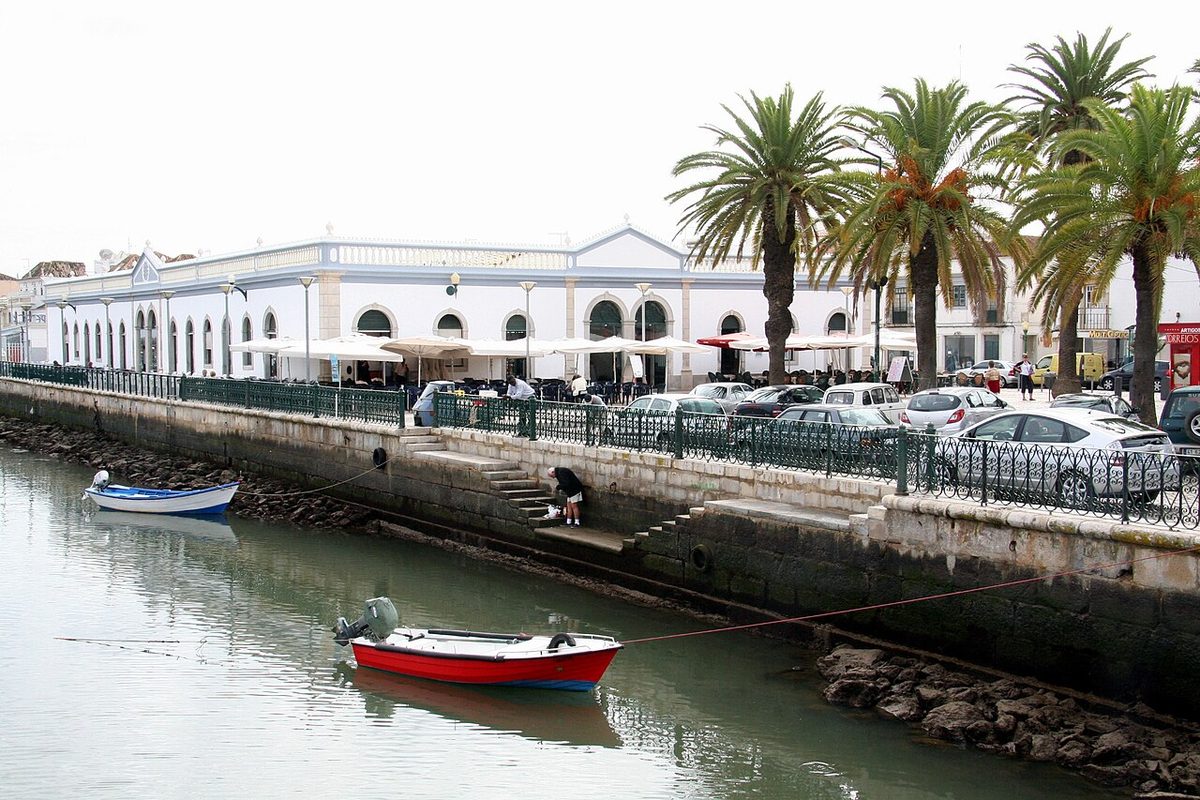
Tavira is the most elegant town in the Algarve and the best argument that the region is more than a resort strip. It straddles the river Gilão near the Spanish border, with an old bridge (called Roman, though what you see is much later) linking two banks of whitewashed houses with hipped roofs, wrought-iron balconies and tiled façades. The town has around thirty churches, a ruined castle with a garden on its walls and a view over the rooftops, and riverside cafés where locals outnumber visitors for much of the year. A short boat ride from the Quatro Águas jetty takes you to the Ilha de Tavira, a sandbar island of the Ria Formosa with a long, uncrowded beach.
Don’t miss: the anchor cemetery at Praia do Barril, reached by a little train across the dunes; octopus at Santa Luzia, the self-styled octopus capital of Portugal, just west of town; sunset at Cacela Velha, twenty minutes east. Getting there: about 35 minutes by train from Faro on the Algarve line. Verdict: the best base in the eastern Algarve, and the best small town in Portugal for a longer stay. Our where to stay in the Algarve guide compares it with the alternatives.
Eat: Tuna, the catch that built the town’s fishing industry, appears on menus grilled or stewed; for octopus, head to Santa Luzia.
2. Óbidos
Óbidos is a complete medieval town inside castle walls you can walk right round, a tangle of whitewashed houses edged in blue and yellow, bougainvillea and cobbled lanes on a hilltop an hour north of Lisbon. King Dinis gave it to his queen, Isabel, as a wedding present in 1282, and for centuries it passed from queen to queen. Its speciality is ginja, sour-cherry liqueur served in edible chocolate cups, and it has turned itself into a town of festivals: a chocolate festival in spring (6–22 March in 2026), a medieval market in summer and a Christmas village in December. It’s also a UNESCO City of Literature, with bookshops in a church and a former market.
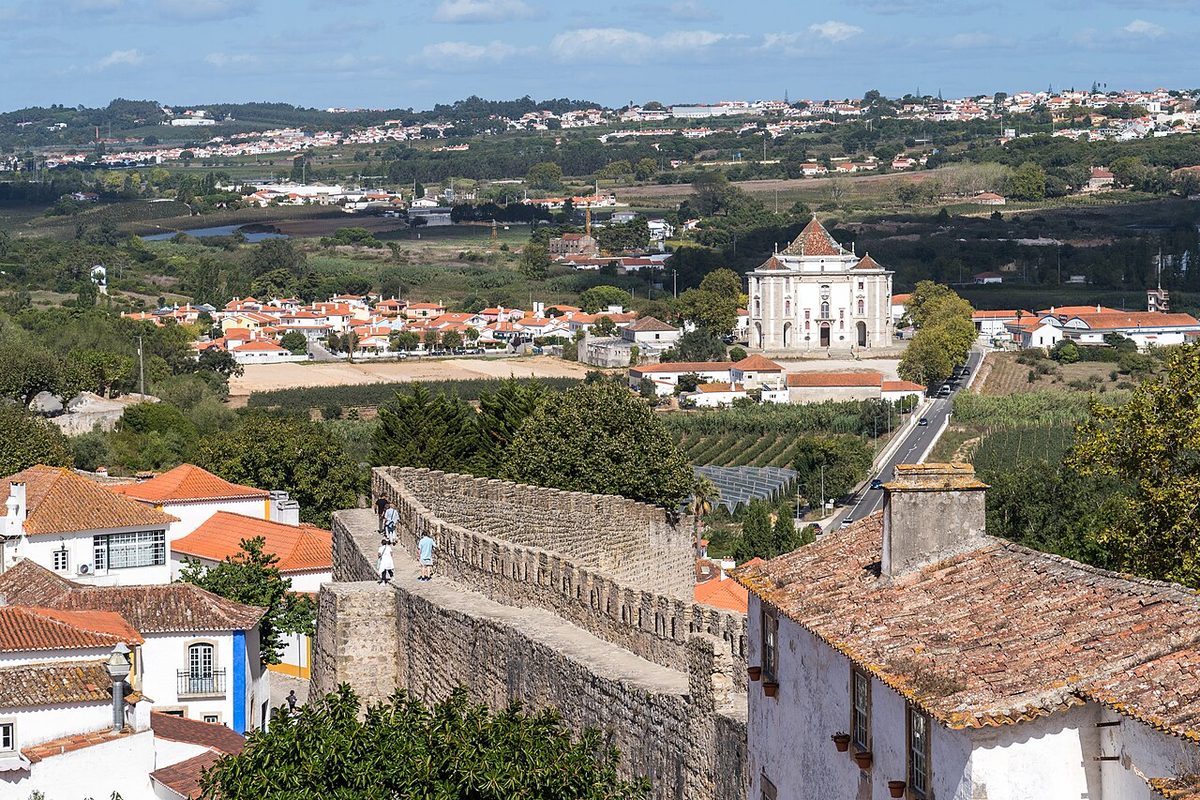
Don’t miss: the walls at sunset; the lagoon beach at Foz do Arelho; the daily fruit market and Bordallo Pinheiro ceramics in nearby Caldas da Rainha. Getting there: about an hour by bus from Lisbon’s Campo Grande. Verdict: beautiful, but overrun in the middle of the day; stay inside the walls.
Eat: Ginja in a chocolate cup is compulsory; for a proper meal, the restaurants just outside the walls are better value than those on Rua Direita.
3. Tomar
Tomar is a handsome riverside town on the Nabão, laid out in a grid by the Knights Templar, whose headquarters, the Convent of Christ, stands on the wooded hill above. The convent is one of the great buildings of Europe: a twelfth-century round church, the Charola, painted and gilded inside, wrapped in later cloisters and crowned by the most famous Manueline window in Portugal. It costs €15 for an adult, with 50% off for over-65s, 13–24s and families (checked September 2026). Down in the town, a fifteenth-century synagogue, one of the oldest in Portugal, houses a small Jewish museum, and the riverside park around the old mills is the place for an evening stroll.
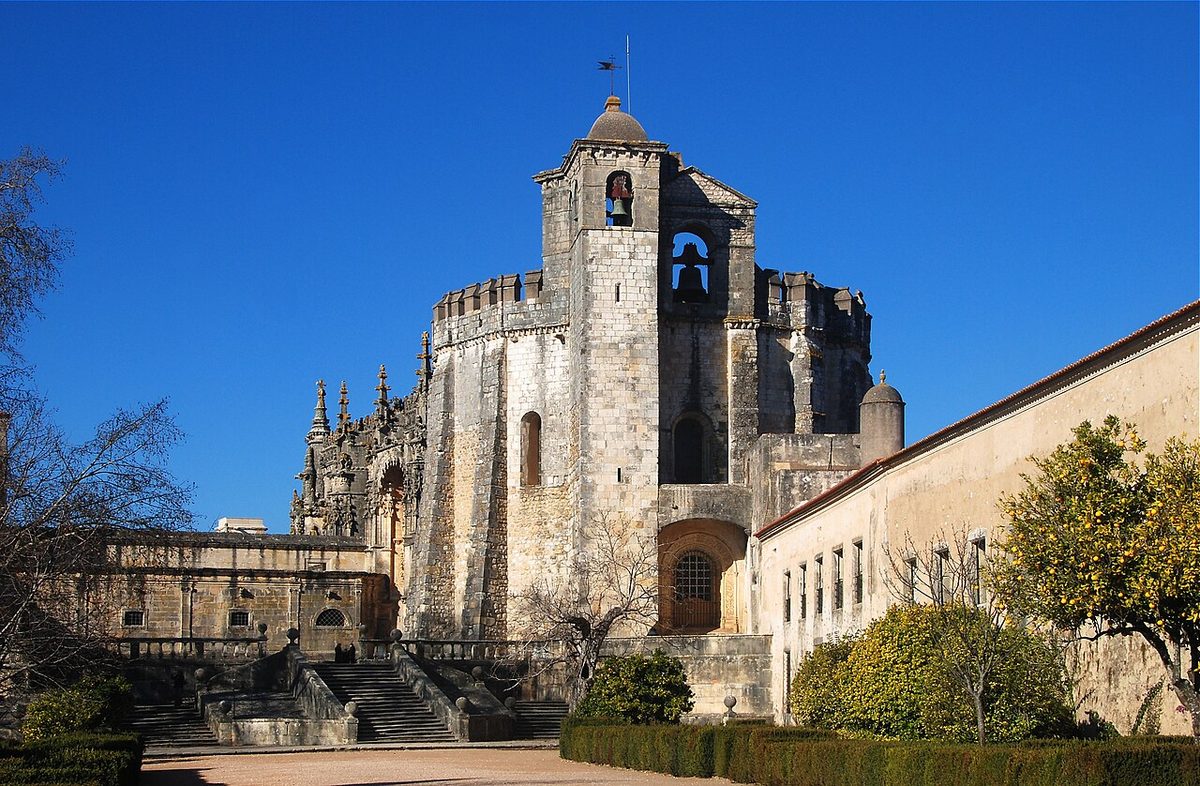
Every four years Tomar holds the Festa dos Tabuleiros, when women in white parade through the streets with towers of bread and flowers on their heads; the next is 3–12 July 2027. Don’t miss: Dornes and Almourol castle, each about half an hour away. Getting there: about two hours by train from Lisbon. Verdict: the best town on the monastery route between Lisbon and Coimbra. Our central Portugal guide covers the region.
Eat: Fatias de Tomar, a convent sweet of egg yolks cooked in a special pan and soaked in syrup, and the hearty bread-and-meat cooking of the Ribatejo.
4. Ponte de Lima
Ponte de Lima, in the green Minho, claims to be the oldest town in Portugal, having received its charter in 1125, and it’s built around a long medieval bridge across the river Lima with a Roman stretch at the far end. Its riverbank hosts a fortnightly market that dates back to that charter, and the town is surrounded by vineyards making vinho verde from the local Loureiro grape and by granite manor houses offering rural stays. In September, the Feiras Novas fill the streets with music, processions and food, and from spring to autumn a garden festival runs on the riverbank.
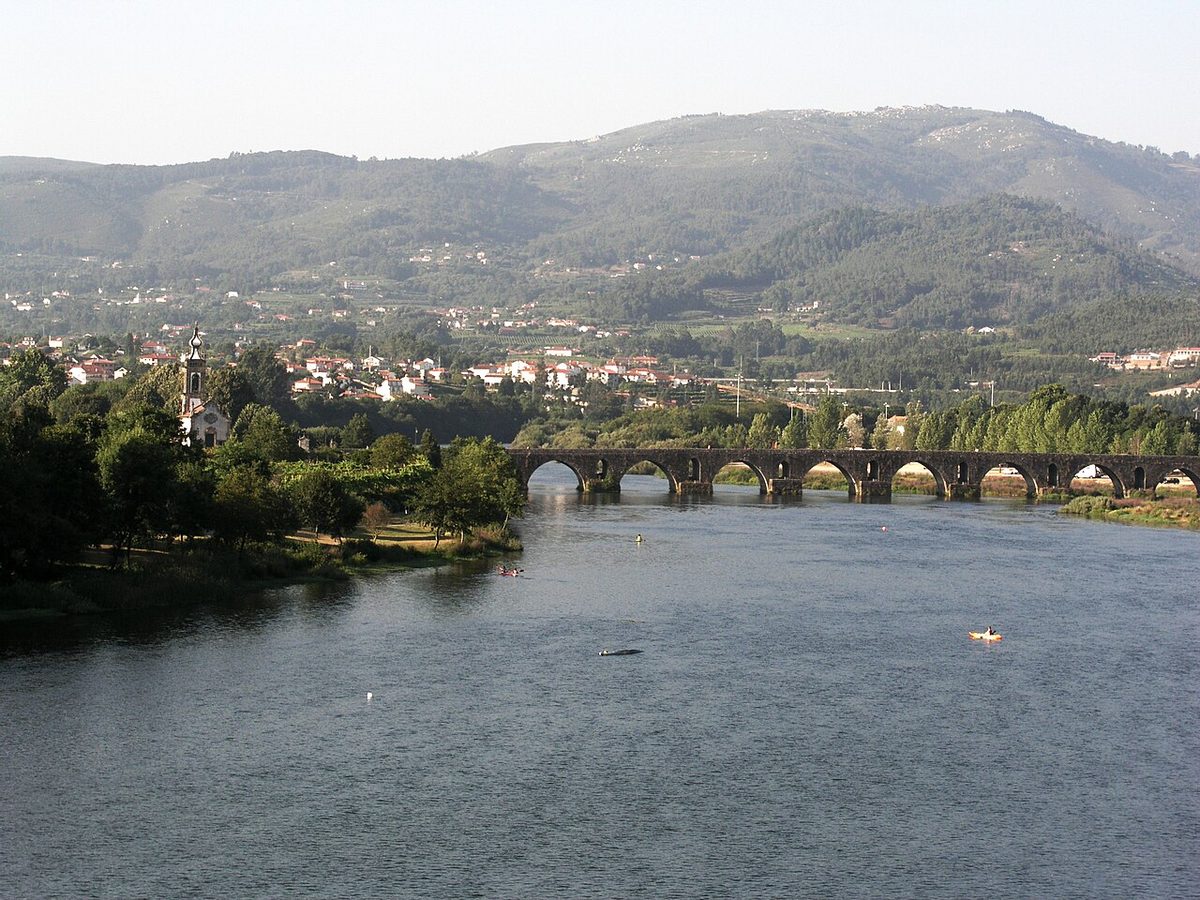
Don’t miss: arroz de sarrabulho, the town’s rich rice dish with pork; the Ecovia, a riverside path for walking and cycling. Getting there: buses from Porto, Braga and Viana do Castelo. Verdict: the most charming small town in the north.
Eat: Order your vinho verde from a local producer and try lamprey in late winter, when it runs up the Lima.
5. Lagos
Lagos is the liveliest town in the western Algarve and the best base for its cliff coast. Its old centre, inside sixteenth-century walls, is a mix of whitewashed lanes, churches, bars and restaurants, with a museum on the site of Europe’s first slave market, a sober reminder of the town’s role in the Age of Discovery. Within walking distance are some of the Algarve’s loveliest coves, from Praia Dona Ana to the sea stacks and grottoes of Ponta da Piedade, best seen from a kayak or small boat, and to the east the long sweep of Meia Praia.
A practical note: one recent source reports the beach at Praia do Camilo closed after a cliff collapse, another describes it as open, so check with the municipality. Getting there: the Algarve line ends at Lagos, under two hours by regional train from Faro; there’s no rail west of it. Verdict: the best Algarve base for beaches and nightlife; avoid August if you can. Our Algarve guide covers the whole coast.
Eat: Dom Rodrigos, little foil-wrapped parcels of egg threads and almond that are the town’s signature sweet, and grilled fish near the market.
6. Castelo de Vide
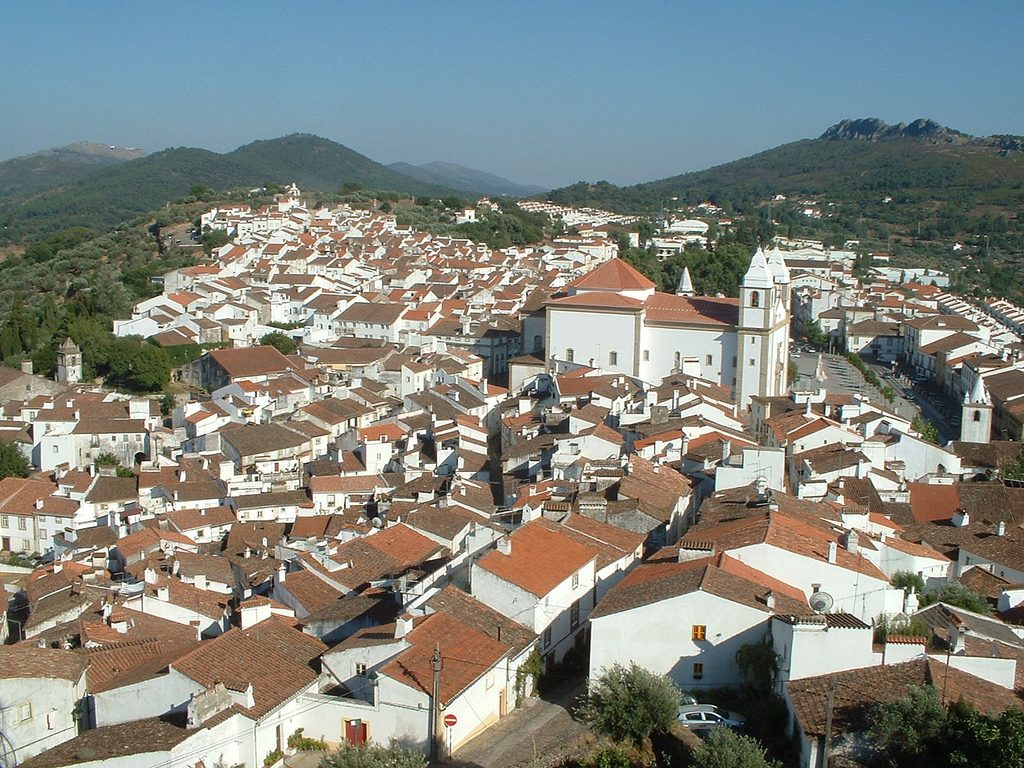
Castelo de Vide, in the hills of the northern Alentejo near the Spanish border, is a white town of steep lanes and flowerpots spilling down the slope below its castle. Its medieval Jewish quarter is among the best preserved in Portugal, with a tiny synagogue, and in the lower town the granite Fonte da Vila fountain is said to guarantee that anyone who drinks from it returns. The town is famous in Portugal for its Easter celebrations, and it’s a few minutes from Marvão, the walled village on its crag.
Getting there: about 2h30 by car from Lisbon; buses are infrequent. Verdict: the loveliest small town in the Alentejo, and the best base for Marvão. See our Alentejo guide.
Eat: Alentejo lamb, which is at the centre of the town’s Easter traditions, and boleima, a simple apple-and-cinnamon cake from the north Alentejo.
7. Amarante
Amarante is a handsome granite town on the river Tâmega east of Porto, built around the monastery church of São Gonçalo and a fine eighteenth-century bridge, where townspeople held off Napoleon’s army for about two weeks in 1809. São Gonçalo is the patron saint of marriages, and single people still come to touch his tomb; in June, bakeries sell the frankly phallic bolos de São Gonçalo. The town is famous for its convent sweets, and its museum is devoted to Amadeo de Souza-Cardoso, the modernist painter born nearby, a friend of Modigliani who died young in 1918.
Don’t miss: the riverside cafés below the bridge; the cycling path along the old Tâmega railway. Getting there: about an hour by bus from Porto. Verdict: the best small town within an hour of Porto. Our day trips from Porto guide has the alternatives.
Eat: The convent sweets: papos de anjo, lérias and foguetes, sold in the pastry shops by the bridge.
8. Ericeira
Ericeira is a whitewashed fishing town with blue trim on low cliffs above the Atlantic, 50 km north-west of Lisbon, and since 2011 it’s been Europe’s first World Surfing Reserve, with a string of reef and point breaks along a few kilometres of coast, including the famous right-hander at Ribeira d’Ilhas. The town is lively with surfers and Lisbon weekenders, and its restaurants serve some of the best seafood near the capital. History buffs might like to know that Portugal’s last king, Manuel II, sailed into exile from Ericeira’s beach after the revolution of 5 October 1910.
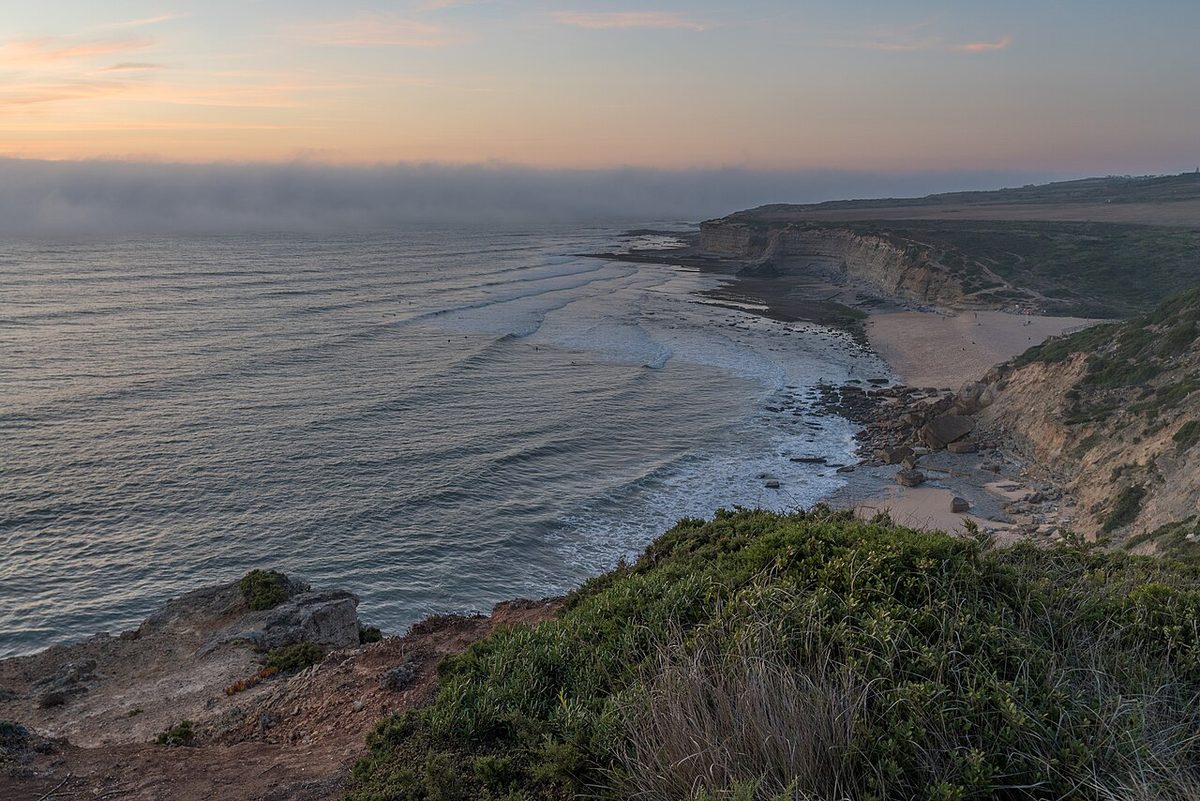
Don’t miss: the vast baroque palace-convent at Mafra, fifteen minutes inland. Getting there: about an hour by bus from Lisbon’s Campo Grande. Verdict: the best small town on the Lisbon coast, with or without a surfboard. Our surfing guide covers the breaks.
Eat: Percebes, goose barnacles prised off the rocks along this coast, and lobster from the tanks in the seafood restaurants.
9. Mértola
Mértola is a white town on a hill above the meeting of the Guadiana and the Oeiras in the deep south of the Alentejo, with the strongest Islamic heritage in Portugal: its parish church was a mosque, with its mihrab still in place, and small museums of Islamic, Roman and early Christian finds are scattered through the town, which calls itself a “museum town”. Every two years in May it holds an Islamic festival with a souk in the streets.
Don’t miss: the Pulo do Lobo waterfall on the Guadiana to the north; the ruins of the copper mine at São Domingos and its river beach to the east. Getting there: about 2h30 by car from Lisbon; buses are limited. Verdict: the most interesting small town in the south.
Eat: Game, especially wild boar, and Alentejo bread soups, washed down with the region’s big red wines.
10. Lamego
Lamego, at the western edge of the Douro wine country, is a small episcopal city that climbs to the sanctuary of Nossa Senhora dos Remédios by a monumental baroque staircase of 686 steps, decorated with azulejos, fountains and statues. Its pilgrimage festival in late August and early September is one of the biggest in the north. Lamego is also home to the Raposeira cellars, which make Portugal’s best-known sparkling wine, and it’s a short drive to the fortified medieval bridge at Ucanha and the Cistercian monastery at Salzedas.
Getting there: 15 minutes from Peso da Régua, which is on the Douro railway; buses from Porto. Verdict: the best town base for the western Douro. See our Douro Valley guide.
Eat: Presunto de Lamego, the town’s famous cured ham, and bôla de Lamego, bread baked with meat inside.
11. Viana do Castelo
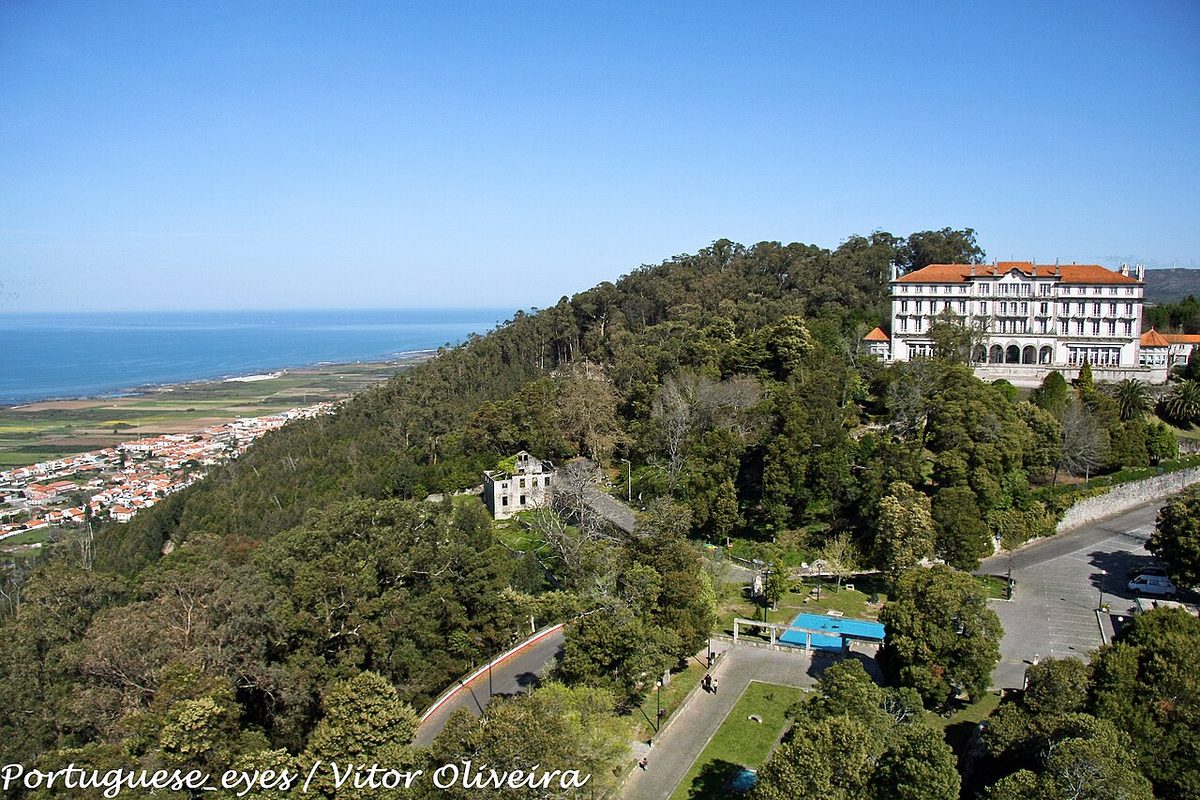
Viana do Castelo, at the mouth of the river Lima, is technically a small city, but its centre feels like a prosperous town: a Renaissance square with a fountain and an arcaded town hall, streets of manor houses and churches, and a waterfront where the Gil Eannes, a former hospital ship for the Newfoundland cod fleet, is now a museum. A funicular climbs to the basilica of Santa Luzia on the hill above, with one of the best views on the north coast. Every August, the Romaria d’Agonia fills the streets with women in red-and-gold traditional dress, hung with gold filigree.
Getting there: about an hour and a quarter by train from Porto. Verdict: the best town on the north coast, with a beach at Cabedelo across the river.
Eat: Torta de Viana, a rolled sponge cake with an egg filling, from the old pastry shops in the centre.
12. Estremoz
Estremoz is a marble town in the Alentejo, its streets, kerbs and doorsteps cut from the local white and pink stone, with a hilltop castle where the sainted Queen Isabel died in 1336; its keep is now part of a pousada. On Saturday mornings, its huge main square fills with one of the best markets in Portugal, selling everything from cheese and sausages to antiques and the town’s painted clay figurines, the bonecos de Estremoz, which UNESCO recognised as intangible cultural heritage in 2017. Twenty minutes away, Vila Viçosa has the marble-fronted palace of the dukes of Bragança.
Getting there: about 1h45 by car from Lisbon, or by bus. Verdict: go on a Saturday.
Eat: Sericaia, the Alentejo’s cinnamon-dusted egg pudding, traditionally served with sugared plums from nearby Elvas.
13. Elvas
Elvas, ten minutes from the Spanish city of Badajoz, was the key to Portugal’s border defences, and its fortifications are a UNESCO World Heritage Site: a star-shaped ring of walls, bastions and moats, plus forts on the hills outside, which UNESCO describes as the largest bulwarked dry-ditch system in the world. The Amoreira aqueduct, completed in the seventeenth century, strides across the plain into town on tiers of arches. Inside the walls, Elvas is quiet and handsome. Buy a box of ameixas d’Elvas, the town’s sugared green plums.
Getting there: about 2h15 by car from Lisbon, or by coach. Verdict: a World Heritage town almost no foreign tourists see.
14. Belmonte
Belmonte, a small hill town above the Cova da Beira, was the birthplace of Pedro Álvares Cabral, who reached Brazil in 1500, and it’s home to Portugal’s best-known crypto-Jewish community, families who kept their faith in secret for more than four centuries after the forced conversions of 1497, until they were documented in 1917. The town’s Jewish Museum tells their story, and the castle, a museum of the discoveries and the Roman tower of Centum Cellas just outside town fill a rewarding half-day.
Getting there: about three hours by car from Lisbon on the toll-free A23; the Beira Baixa railway stops at a station a few kilometres away. Verdict: the most moving history of any small town in Portugal. Our Serra da Estrela guide covers the region.
Eat: Look for the kosher olive oil and wine produced in and around the town by the Jewish community.
15. Trancoso
Trancoso, in the Beira highlands, is still enclosed by its medieval walls and gates, and it’s where King Dinis married Isabel of Aragon in 1282. It was home to Bandarra, a sixteenth-century shoemaker whose prophetic verses fed the Portuguese legend that the lost King Sebastião would one day return, and its old Jewish quarter has the Casa do Gato Preto, a house carved with symbols read as Jewish. Try the sardinhas doces, sweet pastries shaped like sardines.
Getting there: about 2h15 by car from Porto; buses are limited. Verdict: the liveliest of the Historic Villages, and a good base for Marialva and the Côa Valley.
16. Nazaré
Nazaré is a fishing town turned resort on a long, curving bay, with fish still drying on racks on the beach and a clifftop quarter, the Sítio, reached by funicular. In summer it’s a lively, slightly brash beach town; between roughly October and March, and most dramatically from November to February, it becomes the place where the biggest waves ever surfed break at Praia do Norte, driven by a deep underwater canyon. Crowds gather on the headland around the lighthouse fort to watch.
Getting there: about 1h45 by coach from Lisbon. Verdict: best in winter, when a big swell is forecast; in summer, quieter São Martinho do Porto is 15 minutes away.
Eat: Caldeirada, the fishermen’s stew, and the dried and salted fish sold from the racks on the beach.
17. Sesimbra
Sesimbra is a fishing town at the western end of the Serra da Arrábida, south of Lisbon, with a beach right in front of the town, a fort on the seafront and a Moorish castle on the hill above. It’s known for its grilled fish, especially swordfish and black scabbardfish, eaten at the restaurants along the front. A short drive west, Cabo Espichel is a windswept cape with a lonely pilgrimage church and dinosaur footprints in the cliffs.
Getting there: about an hour by bus or car from Lisbon. Verdict: the best small seaside town near Lisbon, and a good base for the Arrábida beaches.
18. Vila Nova de Milfontes
Vila Nova de Milfontes is a small white town at the mouth of the river Mira on the Alentejo coast, with a little fort, a calm river beach for children and wilder Atlantic beaches on either side, including Praia das Furnas across the estuary. It’s a stage town on the Rota Vicentina’s Fishermen’s Trail, and in summer it’s busy with Portuguese families; the rest of the year it’s quiet and lovely.
Getting there: about 2h15 by car from Lisbon, or by coach. Verdict: the best base on the Alentejo coast. See our best beaches in Portugal guide.
19. Olhão
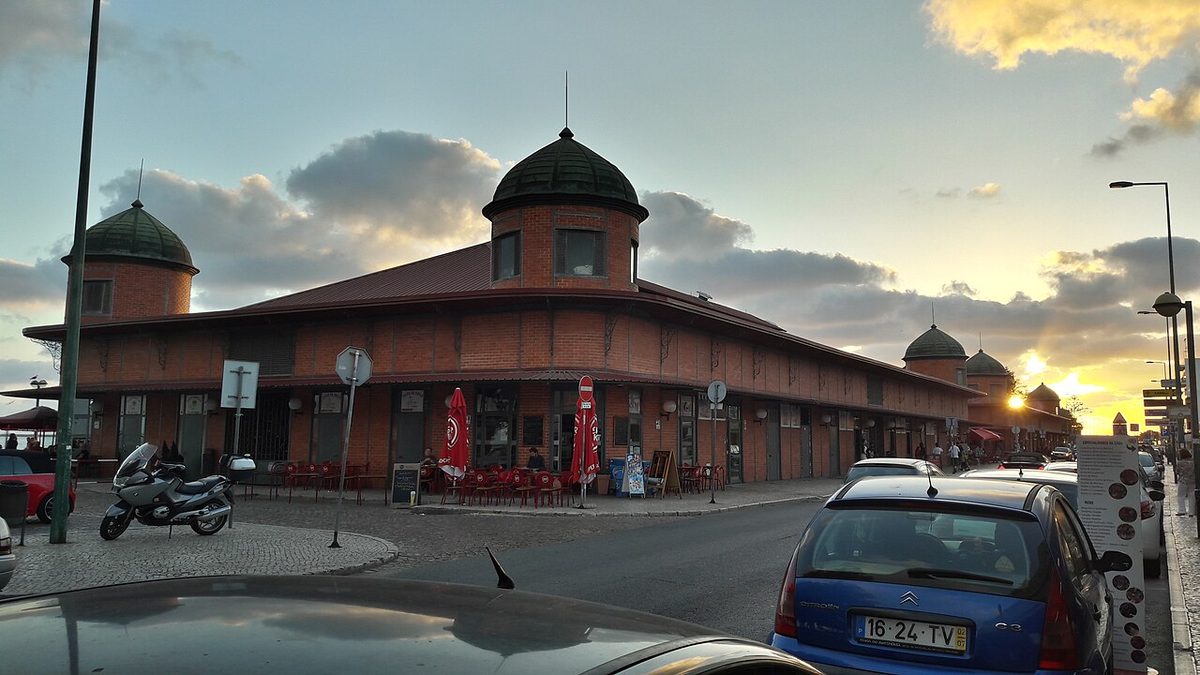
Olhão is the Algarve’s biggest fishing port and its most authentic town, with two red-brick market halls on the waterfront, one for fish and one for fruit and vegetables, and an old quarter of flat-roofed cubist houses that look more North African than European. From the jetty, ferries run to the sandbar islands of Armona and Culatra in the Ria Formosa, with long, empty beaches and fishing hamlets without cars.
Getting there: about ten minutes by train from Faro. Verdict: the Algarve town for food lovers, and a cheaper base than Tavira.
Eat: A cataplana of fish and shellfish, or simply whatever came into the market that morning, grilled.
20. Silves
Silves was the capital of the Moorish Algarve, and its red sandstone castle, the best preserved in the region, still crowns the hill above the town and the river Arade. Below it stand a Gothic cathedral and steep lanes of old houses, and the countryside around is full of orange groves. In August, the town holds a medieval fair.
Getting there: on the Algarve line, though the station is about 2 km from the centre. Verdict: the best inland town in the Algarve; an easy half-day from the coast.
Eat: Oranges from the groves around the town, sold at the roadside and in the market in winter and spring.
21. Valença
Valença sits on a hill above the river Minho, facing the Spanish city of Tui across the water, and its old town is enclosed within a double star-shaped fortress of walls, bastions and gates. Inside, the lanes are lined with shops selling towels and linen to Spanish day-trippers, which gives the place a cheerful market feel at weekends. The Minho riverside cycle path runs past the walls, and you can walk across the old iron bridge into Spain.
Getting there: a little over two hours by train from Porto on the Minho line. Verdict: a fun, unusual stop, best combined with Caminha and the Minho valley.
Eat: Lamprey from the Minho, a late-winter and spring delicacy cooked in its own blood with rice, if you’re brave.
22. Chaves
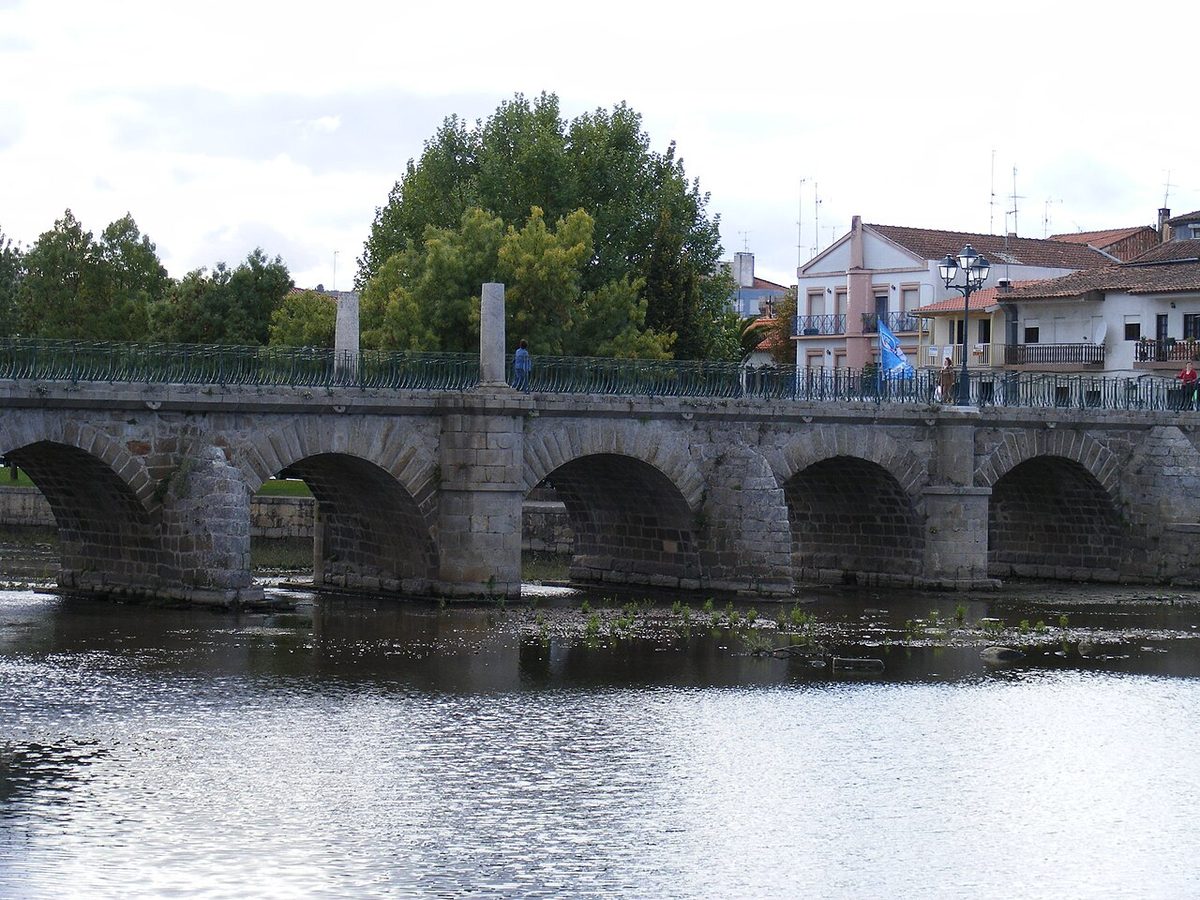
Chaves, in the far north near the Spanish border, was the Roman spa town of Aquae Flaviae, and its Roman bridge, built under the emperor Trajan, still crosses the river Tâmega, with two Roman milestone columns standing on it. Its hot springs, which emerge from the ground at over 70°C, still supply a thermal spa, and the excavated Roman baths can be visited. Chaves is also famous for its pastel de Chaves, a flaky pastry filled with veal, and for its smoked hams and sausages.
Getting there: about two hours by bus or car from Porto. Verdict: a characterful stop on the way to Trás-os-Montes or Galicia.
23. Constância
Constância is a small white town of steep lanes where the river Zêzere flows into the Tagus, and it’s known as the “village-poem” for its association with Luís de Camões, Portugal’s national poet, who is said to have lived here in the sixteenth century; a garden of plants mentioned in his work, the Horto Camoniano, sits by the river. It’s a peaceful place to stop, and Almourol, the Templar castle on an island in the Tagus, is five kilometres away.
Getting there: about 1h30 by car from Lisbon. Verdict: a pretty, quiet stop between Lisbon and Tomar.
24. Serpa
Serpa is a white town in the south-east of the Alentejo, still partly enclosed by its walls, with an aqueduct running along them and a castle with views across the plains. It’s the home of Queijo Serpa, one of Portugal’s great sheep’s cheeses, soft and pungent, and a centre of cante alentejano, the region’s polyphonic choral singing, inscribed by UNESCO as intangible cultural heritage in 2014; the town has a house dedicated to it.
Getting there: about 2h30 by car from Lisbon, 30 minutes from Beja. Verdict: for cheese and song lovers, worth the detour.
25. Caminha
Caminha stands where the river Minho meets the Atlantic, looking across the estuary at Spain and the forested peak of Monte Santa Tecla. Its centre is a handsome square with a clock tower and a fifteenth-century Gothic parish church, whose exterior includes a carving that local legend says shows a man baring his bottom towards Spain. Long beaches stretch south towards Vila Praia de Âncora, and the Minho riverside path runs upstream.
Getting there: on the Minho railway from Porto. Verdict: a quiet, pretty base for the north coast.
Eat: Lamprey and shad from the Minho in season, and seafood from the fishing harbour at Vila Praia de Âncora.
Five more small towns worth a detour
- Loulé, Algarve. An inland market town with a neo-Moorish market hall, a big Saturday market and one of the oldest carnivals in the Algarve, twenty minutes from the coast.
- Vila Real de Santo António, Algarve. A grid-plan town on the Guadiana built at speed in 1774 on the orders of the Marquis of Pombal, with a ferry across the river to Ayamonte in Spain.
- Peniche, Silver Coast. A surf town on a near-island, with the Supertubos break, boats to the Berlenga islands and a seafront fortress that was a political prison under the dictatorship and is now a national museum of resistance and freedom.
- Arcos de Valdevez and Ponte da Barca, Minho. Two riverside towns on the edge of Peneda-Gerês, good bases for Soajo, Sistelo and the national park.
- Aljezur, Algarve. A two-part town below a ruined Moorish castle on the Costa Vicentina, close to the surf beaches of Arrifana and Amoreira, and known for its sweet potatoes.
Small cities that feel like towns
A few places are officially cities but, at heart, feel like small towns, with compact historic centres you can walk in an hour. They deserve a mention.
- Évora, the capital of the Alentejo, a UNESCO-listed walled city with a Roman temple and the Chapel of Bones (€6), about 1h30 from Lisbon by train or car.
- Guimarães, the “birthplace of Portugal”, with a medieval UNESCO centre, a castle and the Paço dos Duques (€8 with the castle), an hour by train from Porto.
- Viseu, a granite cathedral city and capital of the Dão wine region, with the Grão Vasco museum of Renaissance painting.
- Bragança, in the far north-east, with a complete walled citadel and a museum of carnival masks.
For more on how these compare with the big names, see our ranking of the 25 best places to visit in Portugal.
Small towns you can reach without a car
Many visitors want to see small-town Portugal without driving. These are the easiest by public transport, with approximate journey times. Check current timetables with CP for trains and with the coach companies before you travel.
| Town | From | How | Approx. time |
|---|---|---|---|
| Tavira | Faro | Algarve line train | ~35 min |
| Olhão | Faro | Algarve line train | ~10 min |
| Lagos | Faro | Algarve line train | Under 2 h |
| Silves | Faro or Lagos | Algarve line train (station 2 km from town) | ~1 h from Faro |
| Tomar | Lisbon | Train | ~2 h |
| Óbidos | Lisbon (Campo Grande) | Bus | ~1 h |
| Ericeira | Lisbon (Campo Grande) | Bus | ~1 h |
| Sesimbra | Lisbon | Bus | ~1 h |
| Nazaré | Lisbon | Coach | ~1h45 |
| Viana do Castelo | Porto | Minho line train | ~1h15 |
| Valença and Caminha | Porto | Minho line train | ~2 h |
| Amarante | Porto | Bus | ~1 h |
| Ponte de Lima | Porto or Viana | Bus | ~1h15 from Porto |
For train types, fares and booking tips, see our guide to getting around Portugal; CP’s promotional fares, from around €16 on the Lisbon–Porto route, are released up to 60 days ahead.
Choosing between the Algarve’s small towns
Four of the 25 are in the Algarve, and they suit very different trips. Here’s how they compare.
| Tavira | Lagos | Olhão | Silves | |
|---|---|---|---|---|
| Feel | Elegant, quiet, historic | Lively, young, international | Working fishing port | Inland, historic, sleepy |
| Beaches | Island beaches by boat | Coves within walking distance | Island beaches by ferry | None; the coast is 20 minutes away |
| Nightlife | Low-key | The liveliest in the west | Low-key | Very quiet |
| Train | Yes | Yes (end of the line) | Yes | Yes, 2 km out |
| Best for | Couples, slow travel, families | Beaches, cliffs, nightlife | Food lovers, budgets | A half-day of history |
For a fuller comparison of bases along the whole coast, including Carvoeiro, Albufeira and Sagres, see our guide to where to stay in the Algarve.
A week of small towns without a car
If you’d rather not drive, these three train-based plans each string together several of the towns above. Times are approximate; check the timetables before you go.
The Algarve by train (5–7 days)
Fly into Faro and take the train ten minutes east to Olhão for a night and a ferry to the Culatra or Armona islands. Continue 25 minutes to Tavira for two or three nights, with a boat to the Ilha de Tavira and the little train to Barril beach. Then ride the whole Algarve line west, stopping at Silves for the castle, to Lagos for the last two or three nights. The only real gap is Sagres, which you’d reach by bus from Lagos.
The north by train and bus (5–6 days)
From Porto, take the Minho line to Viana do Castelo for two nights, with a day trip by bus to Ponte de Lima. Continue up the line to Caminha and Valença on the Spanish border. Back in Porto, take a bus to Amarante for a day, and the Douro line to Régua for a day in Lamego and the vineyards.
Lisbon to the centre by train (3–4 days)
From Lisbon, take the bus to Óbidos for a night, return, then take the train to Tomar for a night or two. From Tomar, trains via Entroncamento connect to Coimbra and Porto. Ericeira and Sesimbra are each about an hour from Lisbon by bus, and make good last nights before a flight home.
Which small town for which trip
| If you want… | Base yourself in |
|---|---|
| Beaches without the resort feel | Tavira, Vila Nova de Milfontes, Olhão (for the islands) |
| History and monuments | Tomar, Óbidos, Elvas, Belmonte, Trancoso |
| Food and wine | Ponte de Lima (vinho verde), Lamego (the Douro), Estremoz (Alentejo markets), Olhão (fish) |
| Surfing | Ericeira, Nazaré (to watch), Lagos (for the west coast) |
| Walking | Vila Nova de Milfontes (Rota Vicentina), Ponte de Lima (Ecovia), Castelo de Vide (São Mamede) |
| A winter break | Tavira, Lagos, Nazaré (big waves), Chaves (hot springs) |
| Travelling without a car | Tavira, Tomar, Viana do Castelo, Lagos |
| Festivals | Viana do Castelo (August), Ponte de Lima (September), Tomar (July 2027), Óbidos (spring and December) |
For the dates of the big festivals, see our Portugal festivals calendar.
Where to stay in Portugal’s small towns
Small towns are where Portugal’s most characterful places to stay are concentrated. The state-founded pousadas, now run by a private group, occupy castles, convents and palaces in several of the towns on this list: the castle at Óbidos, the royal palace in the castle at Estremoz, a convent in Tavira, a convent just outside Belmonte, and a hilltop hotel beside the basilica above Viana do Castelo. In the Minho, the Solares de Portugal network, based in Ponte de Lima, pioneered staying in family-owned granite manor houses, and across the interior turismo rural guesthouses in restored village houses are usually excellent value. In the Algarve towns, small guesthouses in old townhouses are a better bet than the big resort hotels outside them.
Small towns by season
| Season | Where to go | Why |
|---|---|---|
| Spring (March–May) | Óbidos, Castelo de Vide, Mértola, Ponte de Lima | Óbidos’s chocolate festival, Easter in Castelo de Vide, Mértola’s Islamic festival in May of alternate years, green Minho countryside |
| Early summer (June) | Amarante, Viana do Castelo, Tavira | São Gonçalo’s festivities, long evenings, warm but not crowded beaches |
| High summer (July–August) | Ericeira, Vila Nova de Milfontes, Viana do Castelo, Silves | Atlantic breezes, the Romaria d’Agonia, Silves’s medieval fair; avoid the inland towns in heatwaves |
| Autumn (September–November) | Ponte de Lima, Lamego, Tomar, Estremoz | The Feiras Novas, the Douro harvest, Lamego’s pilgrimage, mild weather |
| Winter (December–February) | Tavira, Lagos, Nazaré, Chaves, Óbidos | Mild Algarve days, big waves at Nazaré, hot springs at Chaves, Óbidos’s Christmas village |
What to skip, and what’s overrated
- Albufeira as a small-town base. The old town has some charm, but the resort strip around it is the Algarve at its least Portuguese. Tavira, Lagos and Olhão are all better bases.
- Fátima, unless you’re a pilgrim. The sanctuary is huge and moving for believers, but the town is a strip of hotels and religious-souvenir shops. An hour’s stop on the way to Tomar is plenty.
- Cascais and Sintra as “small towns”. Both are lovely and appear on every list, but they’re busy, expensive commuter-belt towns in the Lisbon area, and Sintra’s centre is overwhelmed in summer. Visit them; base yourself elsewhere for small-town life.
- Aveiro as the “Venice of Portugal”. It’s a small city with a few canals, pleasant for half a day; the striped beach houses at the Costa Nova are the real attraction.
- Óbidos and Lagos in August. Both deserve their places on this list, but in high summer Óbidos’s main street is a queue and Lagos’s beaches are packed. Go in May, June or September.
- Nazaré in summer if you came for the waves. The giant waves are a winter phenomenon. In July, Praia do Norte is just a beach.
Tips for small-town Portugal
- Check market days. Many towns have a weekly or fortnightly market (Estremoz on Saturdays, Ponte de Lima every other Monday, Loulé on Saturdays) that’s worth planning around.
- Eat at lunchtime. The prato do dia, a set lunch of soup, main course, drink and coffee, costs around €9–15 (September 2026) and is the best value in Portugal.
- Mind Mondays and lunch hours. Museums often close on Mondays, and smaller shops and offices close for lunch.
- Park outside the old centre. Historic centres have narrow, often one-way lanes and little parking; use the car parks at the edge.
- Book festivals early. Small towns have few hotels, and festival weekends sell out months ahead.
- Try the local sweets. Almost every town has its own convent sweet or pastry, from Amarante’s to Trancoso’s sweet “sardines” and Chaves’s veal pastries. Our Portuguese food guide has more.
Frequently asked questions
What is the prettiest small town in Portugal?
Óbidos, inside its medieval walls, is the most famous; Tavira, with its river, churches and tiled houses, is the most elegant; and Castelo de Vide, a white hill town in the Alentejo, is the most charming. Ponte de Lima is the loveliest in the north.
What is the best small town in the Algarve?
Tavira, for its old town, its river and its island beaches. Lagos is best for cliffs and nightlife, and Olhão for food and the Ria Formosa islands.
Which small towns are near Lisbon?
Óbidos, Ericeira and Sesimbra are each about an hour away; Nazaré and Constância about 1h15–1h30; and Tomar about two hours by train.
Which small towns are near Porto?
Amarante is about an hour away; Ponte de Lima and Viana do Castelo about 1h15; Lamego about 1h20; and Chaves about two hours.
Can you visit Portugal’s small towns by train?
Some of them. Tavira, Olhão, Lagos and Silves are on the Algarve line; Tomar has a direct line from Lisbon; Viana do Castelo, Caminha and Valença are on the Minho line from Porto. Óbidos, Ericeira, Amarante and Ponte de Lima are best reached by bus.
Is it better to stay in a small town or a city in Portugal?
For your first few nights, a city gives you more to see. But a night or two in a small town is often the highlight of a trip: cheaper, quieter, with better food and the chance to see popular places after the day-trippers have gone.
What is the oldest town in Portugal?
Ponte de Lima claims the title, having received its royal charter in 1125, before Portugal was even recognised as a kingdom.
When is the best time to visit Portugal’s small towns?
May, June, September and October, when it’s warm but not crowded. In summer, the inland towns can be very hot; in winter, the coastal towns are quiet and some restaurants close.
Where to go next
- The best things to do in Portugal, our main guide
- Thirty places off the beaten path, with a map
- Day trips from Lisbon
- Portugal’s 20 most beautiful villages
Photo credits
- The São Gonçalo bridge and church at Amarante (featured image) — Vimacopeca, CC BY-SA 4.0, via Wikimedia Commons
- The riverside market building at Tavira — Björn Ehrlich, CC BY 3.0, via Wikimedia Commons
- The walls of Óbidos — Alexkom000, CC BY 4.0, via Wikimedia Commons
- The Charola tower of the Convent of Christ, Tomar — Alvesgaspar, CC BY-SA 3.0, via Wikimedia Commons
- The bridge over the Lima at Ponte de Lima — Xauxa Håkan Svensson, CC BY-SA 3.0, via Wikimedia Commons
- Castelo de Vide — mpires, CC BY 2.0, via Wikimedia Commons
- Ribeira d’Ilhas, Ericeira — Alexkom000, CC BY 4.0, via Wikimedia Commons
- Viana do Castelo from Monte de Santa Luzia — Vitor Oliveira, CC BY-SA 2.0, via Wikimedia Commons
- The municipal market, Olhão — Bextrel, CC BY-SA 4.0, via Wikimedia Commons
- The Roman bridge at Chaves — Bruno Esteves, CC BY-SA 3.0, via Wikimedia Commons
Monument prices checked September 2026 against the Convent of Christ’s, the Capela dos Ossos’s and the Paço dos Duques’s own sites; journey times are approximate and timetables change, so check CP and the coach operators before travelling. Last updated: October 2026.