Most lists of things to do in Portugal are really lists of things to do near Lisbon, with Porto bolted on and the Algarve reduced to one photograph of a cave. That is a shame, because the country is genuinely eight or nine different trips depending on which way you point the car, and the decision that matters most — which slice you take — is the one nobody helps you with.
The short answer: the essential things to do in Portugal are Lisbon and Sintra, Porto and a day up the Douro, the limestone coves of the central Algarve, and one of the two island groups — Madeira for mountains and walking, the Azores for volcanoes and whales. Nine days covers two of those regions properly. Fourteen covers three. Trying for all four is how trips go wrong.
What follows is organised the way you actually plan: by region, with what each one is good at, what it costs, when to go, and — the part usually left out — what to leave off the list. Every price here was checked in September 2026, and I have said where sources disagree rather than picking the tidiest number.
Portugal at a glance: the seven trips inside one country
Portugal is small on a map and slow on the ground. Lisbon to Faro is 280 km and takes about three hours by car; Porto to the far side of the Douro is 130 km and takes two, because the road follows the river. Add two archipelagos that need flights and the geography stops being a detail and starts being the plan.
Here is the honest comparison. “Days” means days on the ground, not counting the travel day in.
| Region | Best for | Days | Best months | Car needed? | Verdict |
|---|---|---|---|---|---|
| Lisbon + Sintra | Tiles, viewpoints, palaces, food, day trips | 3–4 | Mar–Jun, Sep–Oct | No | Non-negotiable on a first trip |
| Porto + Douro | Port lodges, river, the best two-hour train ride in Europe | 3–4 | May–Jun, Sep (harvest) | Helpful, not essential | The one people wish they had given longer |
| Central Algarve | Cliffs, coves, boat trips, family beach days | 3–5 | May–Jun, Sep–Oct | Yes | Glorious in June, grim in August |
| Alentejo | Roman and medieval towns, wine, dark skies, silence | 2–4 | Apr–May, Oct | Yes | Best value in the country |
| Central Portugal & the interior | Monasteries, castles, granite villages, mountains | 2–4 | Apr–Jun, Sep–Oct | Yes | Where you go on trip number two |
| Madeira | Mountain walking, levadas, gardens, year-round warmth | 5–7 | Any; Apr–Jun best for flowers | Yes (or transfers) | Europe’s best winter walking |
| Azores | Volcanic lakes, whales, hot springs, hiking | 6–10 | Apr–May (whales), Jul–Sep (weather) | Yes | The most rewarding and the most weather-dependent |
Two things fall out of that table. First, mainland Portugal rewards a two-base trip — one city, one region — far more than a five-stop dash. Second, the islands are not add-ons. If Madeira or the Azores is on your list, give it its own week rather than four rushed nights spliced onto a mainland trip.
Lisbon and the day-trip belt
Lisbon is built on hills above a river estuary wide enough to look like the sea, and the pleasure of it is mostly vertical: you climb, you look, you drink something, you go down again. Our sister site covers the city attraction by attraction, so what follows is the shape of it rather than the detail.
Alfama, Graça and the miradouros
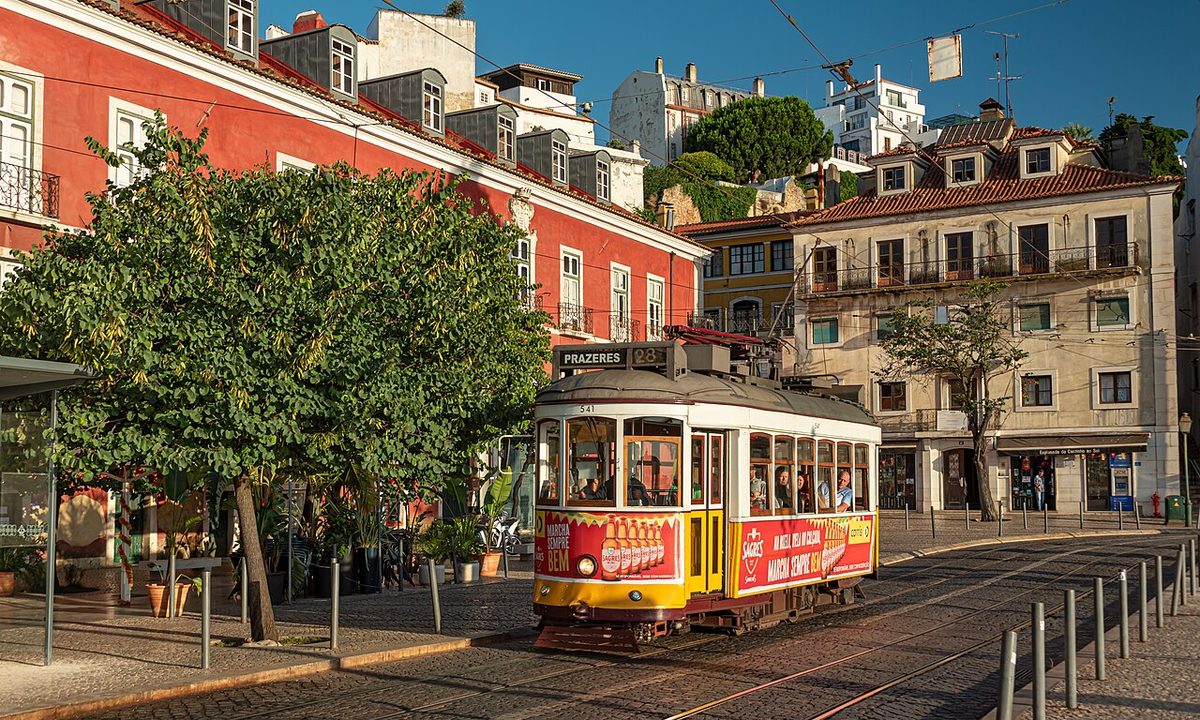
The oldest quarter survived the 1755 earthquake because it sits on rock, which is why its street plan is Moorish rather than Enlightenment grid. Walk it in the morning before the tour groups reach Largo das Portas do Sol, and finish at Miradouro da Senhora do Monte, which is higher, emptier and free. Cost: nothing, plus €1.50–€2 for a coffee. Time: half a day. Verdict: the best three hours in the city, and the one part of Lisbon where getting lost is the activity. There is more in the sister site’s Alfama walking guide and its rundown of the city’s viewpoints.
Belém: monastery, tower and the original custard tart
Belém is where Portugal went to sea, and where it built the two Manueline monuments everyone recognises. The Jerónimos Monastery cloister is the thing to see; the church next door is free and takes ten minutes. The Torre de Belém is charming from the outside and a cramped spiral staircase on the inside, so if the queue is over thirty minutes, photograph it and move on. Then eat at Pastéis de Belém, where the recipe has been made on site since 1837 and the takeaway counter moves faster than it looks — there is a separate, much shorter line for sitting down inside. Time: half a day. Verdict: do the monastery, skip the tower interior, eat three tarts. See the sister site on planning a half day in Belém.
Sintra, and the ticket confusion nobody warns you about
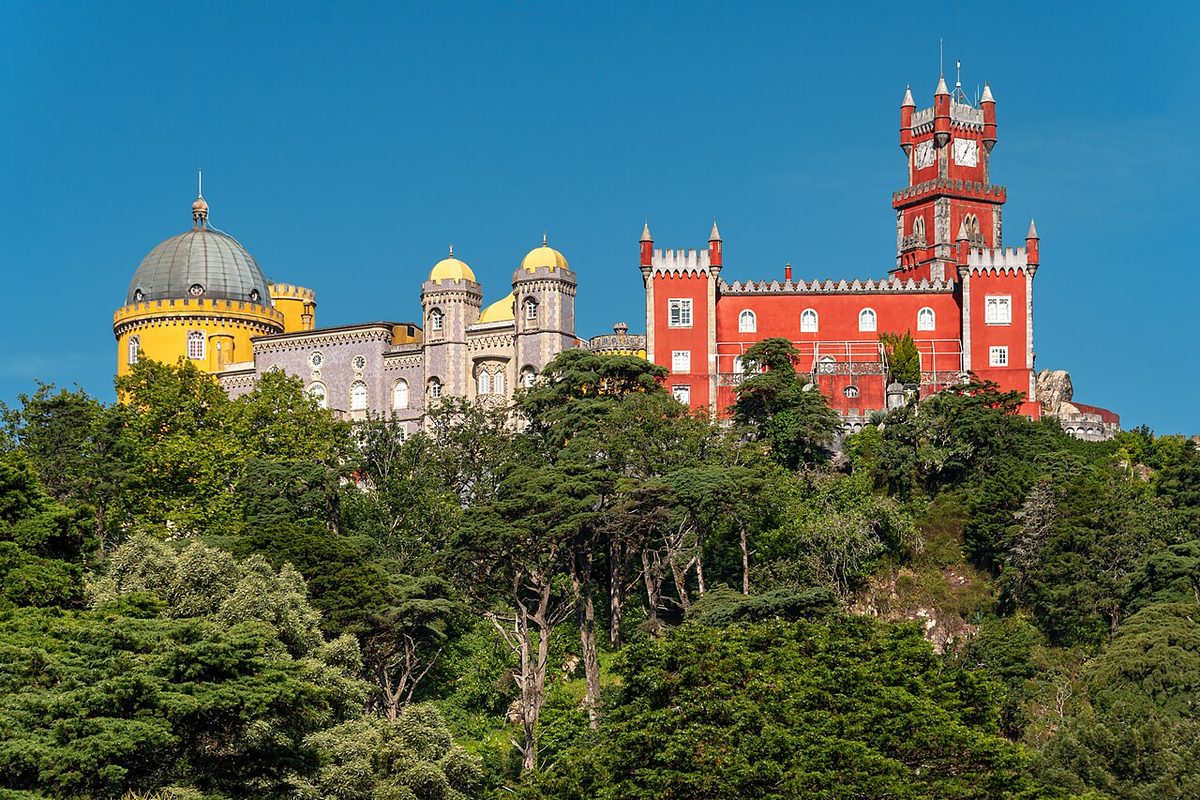
Sintra is a damp green micro-climate forty minutes by train from Rossio, filled with the follies of nineteenth-century romantics. Pena Palace is the headline. Quinta da Regaleira, with its initiation well, is the one people come back raving about. The Moorish castle walls are the best value of the three.
Ticketing is where it gets messy, and it changed recently. As of September 2026 the official Parques de Sintra site lists Pena as an “Essential Visit” at €20 for the palace, a “Complete Visit” including the park at €45, and park-only at €12. A large number of resale sites still advertise a €20 combined palace-and-park ticket with park-only at €10 — the old structure. Both cannot be right, and the resellers are the ones with an incentive to look cheap. Buy direct at parquesdesintra.pt, where palace entry is timed to a specific date and slot, and treat any third-party price as a quote rather than a fact.
Two more Sintra rules learned the hard way. The 434 tourist bus queue at Sintra station routinely runs 30–40 minutes between 10:00 and 13:00 in summer, while the Vila Sassetti footpath climbs to Pena in about 35 minutes through the woods and is far more pleasant. And do not attempt Pena, Regaleira and Monserrate in one day — two sites plus lunch is the honest maximum. The sister site has a full Sintra day-trip guide and a dedicated page on visiting Pena Palace.
Cabo da Roca, Cascais and the Setúbal side
Cabo da Roca is the westernmost point of continental Europe and, weather permitting, a fine cliff. It is also a car park, a gift shop and a fifteen-minute stop that some tours stretch to an hour. Cascais is better: a proper town with a beach, a Paula Rego museum and a flat cycle path along the coast.
South across the bridge, the Serra da Arrábida drops into water the colour of the Adriatic, and the Sado estuary holds a resident population of around thirty bottlenose dolphins that can be seen year-round on small-boat trips from Setúbal. It is the least touristed good thing within an hour of Lisbon. Verdict: if you have four Lisbon days, spend one of them on the Arrábida and Setúbal side rather than a second run at Sintra.
Porto, the Douro and the north
Porto is the trip people underestimate. It is smaller than Lisbon, denser, browner, harder-edged and — most visitors conclude by day two — more likeable. The whole historic centre is a UNESCO site and it fits inside a forty-minute walk.
Port tasting in Vila Nova de Gaia
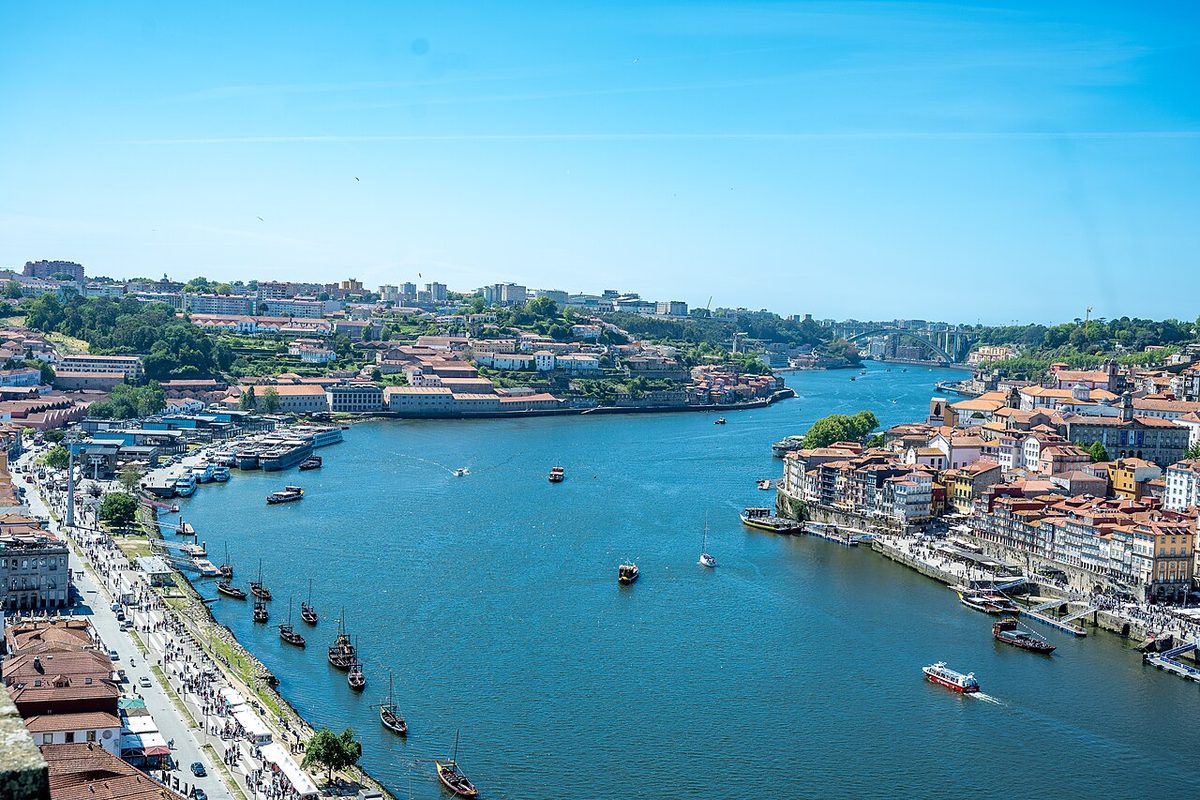
Every lodge across the river offers a tour-and-taste for roughly €20–€30, and they are more alike than the marketing suggests: a cool cellar, a short history, two or three glasses. The differences that matter are scale and seriousness. Graham’s and Taylor’s have the best views and the most polished tours; Kopke pours the finest range of aged tawnies by the glass and skips the tour entirely; Cálem is the cheapest and the busiest. My call: book one proper lodge tour, then spend the second hour in a tasting room ordering a twenty-year tawny by the glass, which teaches you more than any guided walk through a barrel hall.
Cross to Gaia on the upper deck of the Dom Luís I bridge on foot — free, five minutes, and the best view in the city. The Gaia cable car is about €7 one way and worth it going up, pointless going down.
Livraria Lello, and whether the ticket is a scam
The bookshop with the crimson staircase charges for entry, which offends people on principle. The voucher is redeemable against a book, so if you were going to buy one it effectively costs nothing. Listed prices in September 2026 disagree: some sellers quote a silver voucher at €8 and gold at €16, others €10 and €15.95. Check the shop’s own site on the day. The walk-up queue runs 30–60 minutes from April to October; pre-paid holders use a separate line. Verdict: go at opening or not at all, and only if bookshops are your thing. It is one room.
The Douro Line: the train ride worth the whole trip
From Porto São Bento the Linha do Douro runs inland along the river, and from Peso da Régua onward the track is cut into the bank a couple of metres above the water, with terraced vineyards stacked above it. Porto to Pinhão takes about 2h20 and cost roughly €12.45 one way when checked in September 2026 — a fraction of any organised tour, with a better view. Direct services are few, with a morning departure around 09:25 and an early-afternoon one around 13:25, so confirm the day’s timetable at cp.pt before committing.
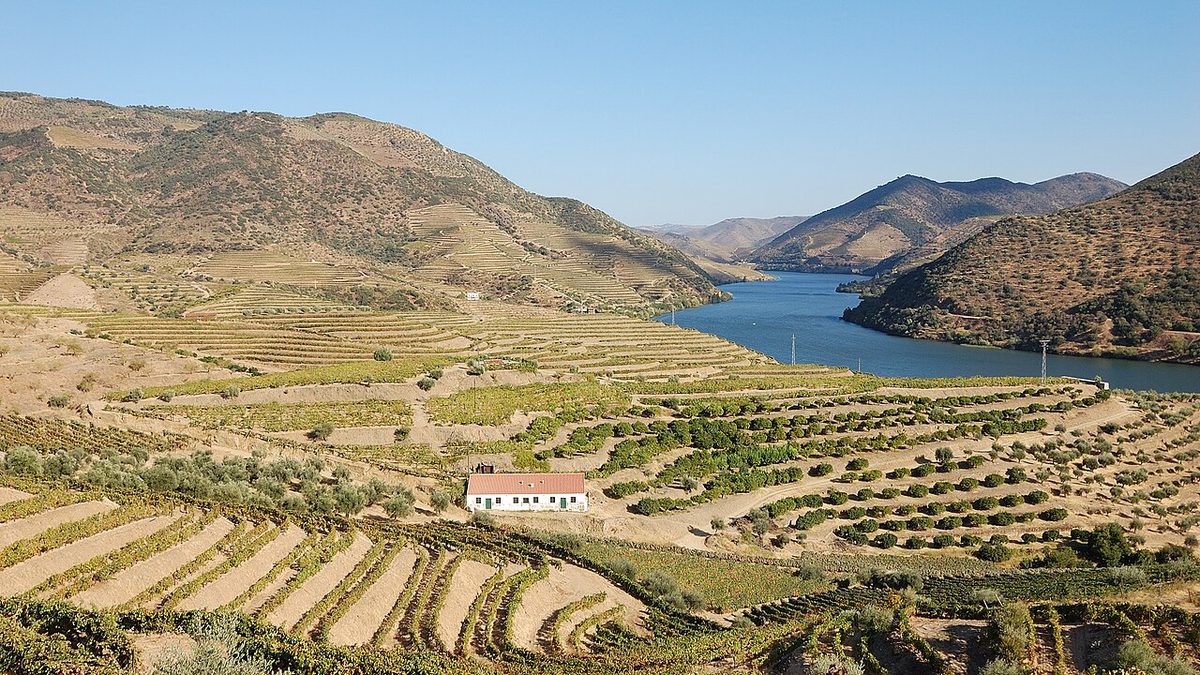
Sit on the right leaving Porto. Book a quinta visit at Pinhão in advance — Quinta do Bomfim and Quinta das Carvalhas are both a walk or a short taxi from the station — and either return the same evening or stay a night, which is the better trip. September, during the vindima, is the most atmospheric month and the hardest to book.
Guimarães, Braga and Peneda-Gerês
Guimarães is where the country was founded in the twelfth century and has the tidiest medieval centre in Portugal. Braga, twenty minutes away, has the baroque staircase of Bom Jesus do Monte and a water-counterweight funicular from 1882 that still works. Both are day trips by train from Porto for under €10 return.
Peneda-Gerês, the country’s only national park, is the wilder option: granite, waterfalls, Roman milestones, garrano ponies and villages with communal stone grain stores. You need a car and a full day, ideally two.
Passadiços do Paiva and the 516 Arouca bridge
An hour south-east of Porto, eight kilometres of timber walkway follow the Paiva river through a gorge, ending near the 516-metre suspension footbridge slung across it. A single ticket covering both cost €12 in September 2026, sold online only at 516arouca.pt, with no on-site sales and a daily cap. Walk it downhill from Areinho to Vau; there are a great many steps and almost no shade, so start early in summer. Verdict: the best half-day near Porto that most visitors have never heard of.
The Algarve: coves, cliffs and the cave everyone argues about
The Algarve splits into three coasts with almost nothing in common. The central stretch from Albufeira to Lagos is the postcard one: ochre limestone, arches, stacks and coves reached by wooden stairs. The eastern end past Faro is the Ria Formosa lagoon — sandbank islands, salt pans, flamingos, warm shallow water and hardly any cliffs. The western Costa Vicentina, round the corner past Sagres, is wind, big Atlantic swell, empty beaches and surf schools.
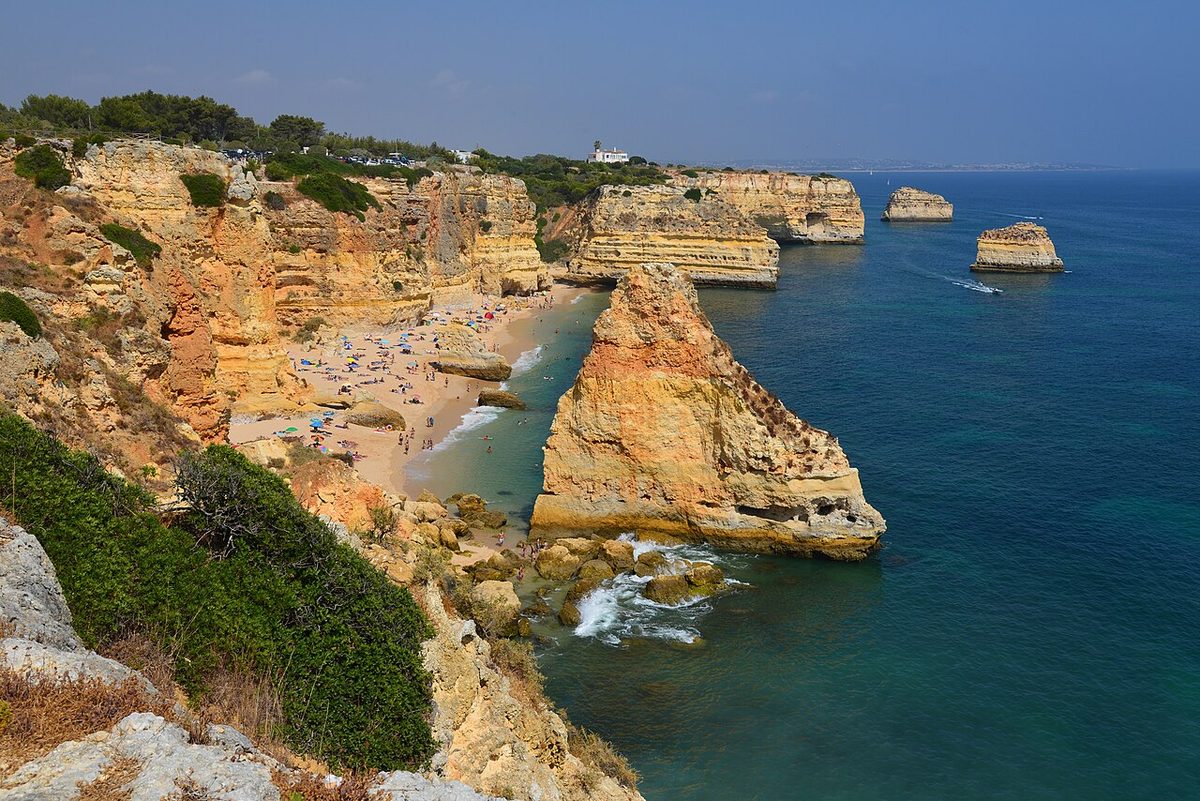
Benagil cave: the 2026 rules, plainly
This is the most misreported attraction in Portugal, so here is what actually applies. Since July 2024, under a Maritime Authority order (Edital 019/2024, amended by 009/2025), swimming to Benagil cave is banned, with or without a float, and so is landing on the sand inside it. Self-guided kayak and SUP rentals into the cave are banned; you may paddle your own craft with a lifejacket, and guided kayak groups run at one guide per six kayaks. Motorised boats must stay roughly fifteen metres off the arches and enter through the western arch, non-motorised craft through the eastern one. Groups get five to ten minutes inside. Operator fines run from €300 to €216,000, which is why the rules are now enforced rather than winked at.
Verdict: you can still see the cave, but you can no longer stand in it, and the version in every viral photograph — one person alone on the sand under the skylight — is no longer legal. Take a small guided kayak trip from Praia de Benagil (roughly €30–€40 per person) rather than a large motorboat, which cannot get close. If the swell is up, trips are cancelled at short notice, so build in a spare day. The clifftop walk above the cave is free, takes ten minutes from the village and gives you the skylight from the top.
The Seven Hanging Valleys trail
Six kilometres of clifftop path from Praia da Marinha to Praia de Vale Centeanes, past sinkholes, arches and the Benagil skylight. Flat, exposed, free, and the best three hours in the Algarve. Walk it out and back, or arrange a taxi at one end. Do it before 10:00 or after 17:00 between June and September; there is no shade at all.
Lagos, Sagres and the eastern lagoon
Lagos has the best combination of old town, beaches and boat trips, and Ponta da Piedade at the end of its headland is the finest half-hour of coastline in the country. Sagres is bleaker and better for it: a fortress on a cliff, the Cabo de São Vicente lighthouse, and the sense that this really was the end of the known world. Tavira, in the east, is the prettiest town in the region and the one that still feels Portuguese in August, with an island beach reached by a five-minute ferry.
The Alentejo and the interior
Between Lisbon and the Algarve lies a third of the country that most itineraries drive straight through: cork oaks, wheat, whitewashed hill towns and the emptiest roads in western Europe. It is also where Portugal is cheapest — a decent lunch with wine still runs €12–€15.
Évora
A walled UNESCO town with a Roman temple in the middle of it, a cathedral you can climb, and the Capela dos Ossos — a chapel lined with the bones of some 5,000 people, with an inscription at the door translating roughly as “we bones that are here await yours”. Entry is a few euros. Évora works as a day trip from Lisbon by bus, and much better as an overnight. The sister site covers doing Évora as a day trip if that is how you are travelling.
Monsaraz and the Alqueva dark sky
Monsaraz is a single street of whitewashed houses inside a castle on a hill above the Alqueva reservoir, the largest artificial lake in western Europe. The surrounding area holds the world’s first certified Starlight Tourism Destination, which in practice means genuinely black skies and a handful of operators running telescope nights. Go on a new moon and take a jumper — it drops ten degrees after sunset even in July.
The monastery triangle: Alcobaça, Batalha and Tomar
Three UNESCO sites within an hour of each other north of Lisbon, and collectively the strongest architecture in Portugal. Alcobaça is vast, austere Cistercian Gothic holding the tombs of Pedro and Inês. Batalha is late Gothic showing off, with the Unfinished Chapels open to the sky. Tomar’s Convento de Cristo was the headquarters of the Knights Templar and later the Order of Christ, and its round charola and Manueline window justify the drive on their own. Time: a full day for all three is tight but doable; two days is better. Entry is €15 each (checked September 2026), though Alcobaça’s church itself is free.
Coimbra, Monsanto and the granite villages
Coimbra’s university, founded in 1290, holds the Biblioteca Joanina — a baroque library with a resident colony of bats that eat the insects that would otherwise eat the books, which is the best fact in Portuguese tourism. Timed entry, twenty minutes inside, and worth it.
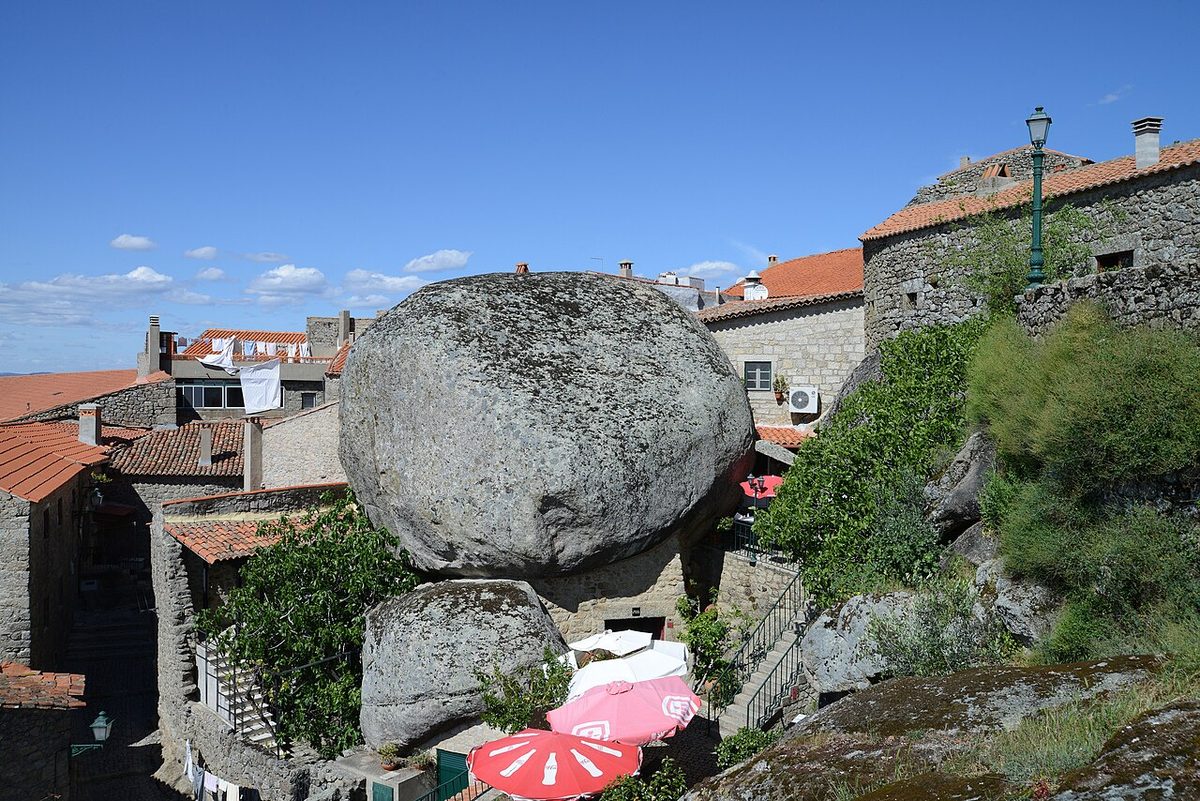
East of there, the Historic Villages of Portugal are a network of twelve fortified settlements along the old Spanish border: Monsanto built into its boulders, Sortelha inside its walls, Piódão in schist on a hillside, Belmonte with its Jewish quarter and its surviving crypto-Jewish community. Above them the Serra da Estrela reaches 1,993 m, has Portugal’s only ski runs and, more usefully, glacial valleys, a mountain cheese with a protected designation, and roads that are empty except in February.
The coast between Lisbon and Porto
Three hours of motorway separate the two cities, and almost everything worth stopping for sits within twenty minutes of it.
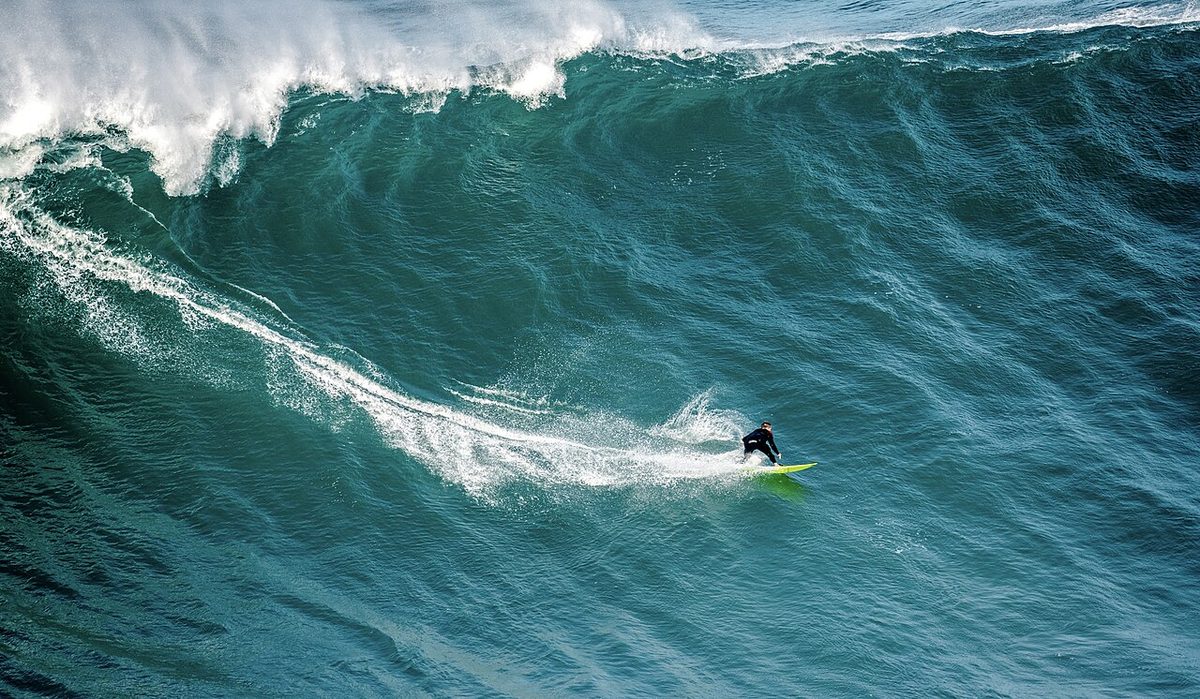
Nazaré. An underwater canyon several kilometres deep runs almost to the shore and turns Atlantic storms into waves that have broken world records off Praia do Norte. Crucially, this is a winter show: the big days fall roughly between October and March, and in July the same beach is a calm family strand with a funicular up to the old town. Turning up in August expecting monsters is the classic mistake.
Óbidos. A complete walled town, given to Portuguese queens as a wedding present for four centuries. The wall walk has no railing and a long drop, which is either the highlight or a reason to stay down at street level. Arrive before 10:00 or after 17:00; between those hours in summer the single main street is coach-tour solid. Drink the ginjinha from a chocolate cup once, then stop. The sister site has a full Óbidos day-trip write-up.
Aveiro and Costa Nova. Canals, moliceiro boats and, five minutes away, a row of striped wooden fishermen’s houses that photograph better than anything else on this coast. Aveiro itself is small; ninety minutes covers it.
Ericeira and Peniche. Ericeira is a World Surfing Reserve — one of only a dozen or so worldwide — with beginner beaches and expert reefs within a few kilometres of each other. Peniche has Supertubos, a heavy barrelling beach break that hosts a world tour event, and the fortress that was Salazar’s political prison and is now a museum of the resistance. Both are day trips from Lisbon.
Madeira: mountains in the middle of the Atlantic
Madeira is a volcano some 600 km off Morocco that rises to 1,862 m, and the reason to go is that you can walk across the top of it. It is also the one part of Portugal that works in January, when Funchal sits around 19°C.
The trail booking system, which is new and catches people out
Madeira’s official PR trails now require a paid online reservation through the regional government’s SIMplifica portal, booked to a 30-minute entry slot. As checked in September 2026, the standard fee is €4.50 per person per trail, with the flagship PR1 Arieiro-to-Ruivo ridge at €10.50. Multi-day passes run about €22.50 for three days and €52.50 for seven. Children up to twelve go free but must still be named on the booking for headcount purposes, and residents and visitors with a certified disability of 60% or more are exempt. Book at simplifica.madeira.gov.pt. Guided groups pay a lower per-person rate, so a tour is not always the expensive option.
Almost none of the big “best levada walks” roundups mention any of this, which is how people arrive at a trailhead at 08:00 and get turned around. Book before you fly.
What to actually walk
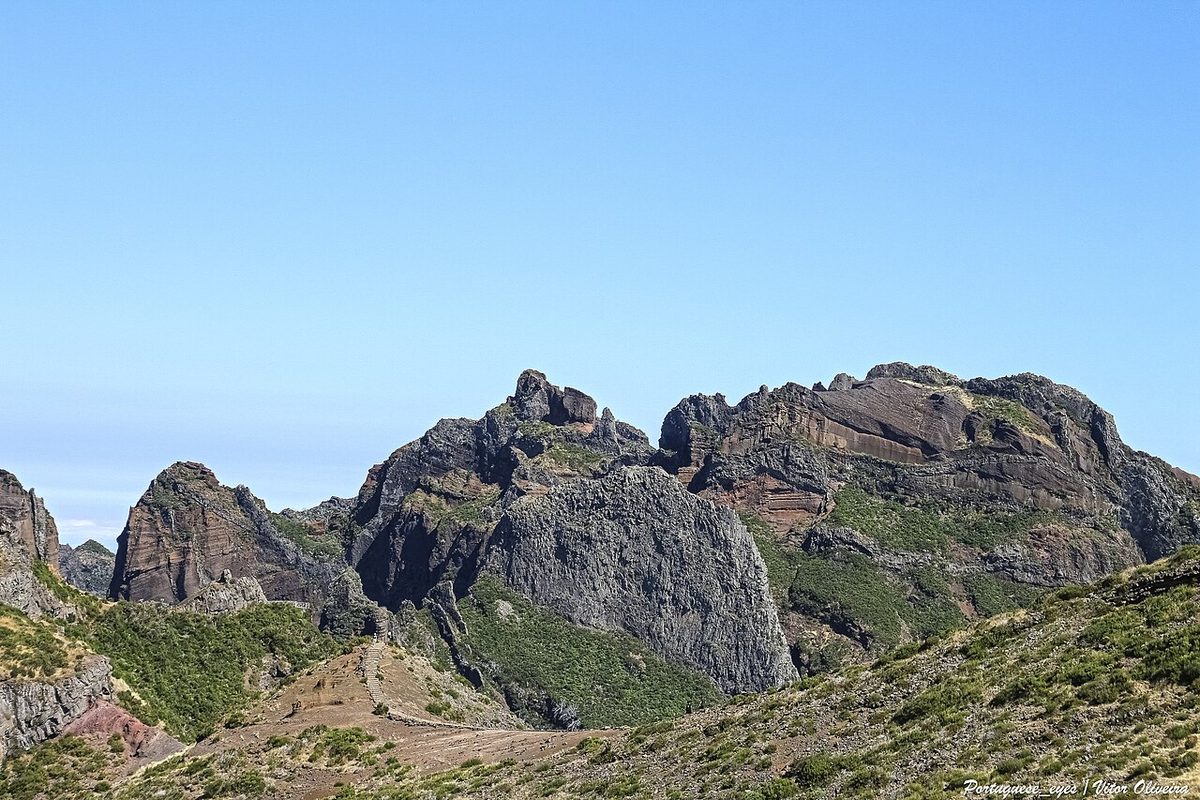
PR1, Pico do Arieiro to Pico Ruivo is the one worth planning a trip around: seven kilometres of ridge, rock tunnels (bring a torch), roughly 1,000 m of ascent in total and about three and a half hours one way. It is one-way in practice, so arrange a taxi or a bus at the far end. PR6, Levada das 25 Fontes is the famous water-channel walk to a waterfall amphitheatre — beautiful, busy and slippery. PR9, Levada do Caldeirão Verde is the better crowd-free alternative in the north. If you have vertigo, know that Madeira’s levadas often run along a channel edge with a sheer drop and no rail; the PR9 is gentler than most.
Elsewhere: Funchal’s market and the poncha bars, the toboggan run at Monte (two men, a wicker sledge and a concrete road — silly, brief, oddly fun), Cabo Girão’s glass skywalk, the natural lava pools at Porto Moniz, and Porto Santo’s nine-kilometre golden beach two and a half hours away by ferry, which is the one thing Madeira itself lacks.
The Azores: volcanoes, whales and weather
Nine islands in the middle of the Atlantic, two and a half hours from Lisbon, and the least-covered good destination in Portugal. Green, volcanic, wet, and empty enough that you can walk a crater rim on a Saturday and pass four people.
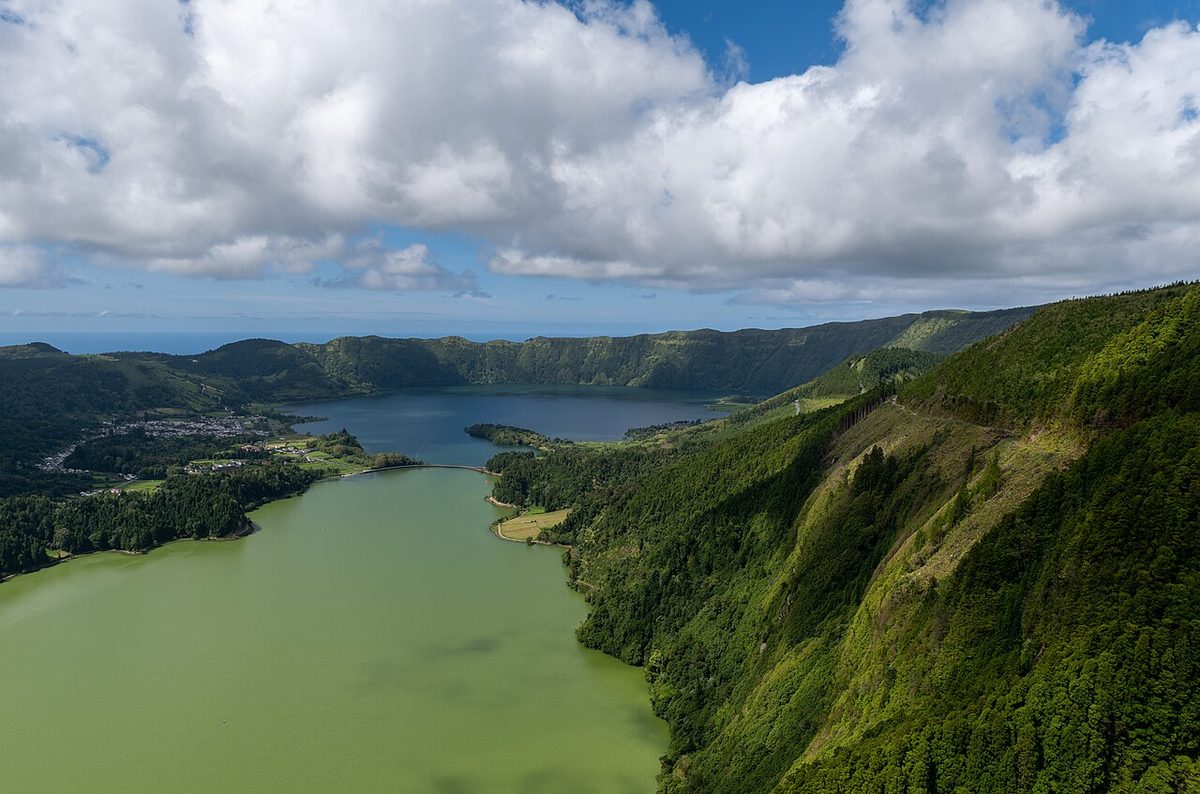
São Miguel is the obvious first island and the only one that fills a week on its own: the twin lakes of Sete Cidades, the hot-spring valley at Furnas where a stew is cooked underground by volcanic heat, the tea plantation at Gorreana, and the iron-rich thermal pool at Terra Nostra that turns swimwear orange — wear an old costume, this is not a joke.
Whale watching is the other reason to come, and the timing is specific. Sperm whales are resident and recorded in every month of the year. The big migrating baleen whales — blue, fin and sei — pass through roughly April to June, with mid-April to mid-May the strongest window; by late June most blues have moved north. Common and bottlenose dolphins are year-round. Trips run from Ponta Delgada and Vila Franca do Campo on São Miguel, and from Lajes do Pico, which was a whaling port until 1984 and is now the best base for whale trips in the archipelago.
Pico has the country’s highest mountain at 2,351 m, a night climb people do for sunrise, and vineyards grown inside black lava-stone corrals that are a UNESCO site in their own right. Faial has the Capelinhos volcano, which erupted in 1957–58 and buried a lighthouse to its upper windows. Flores is the most beautiful and the hardest to reach.
The honest warning: Azorean weather changes hourly and the famous Sete Cidades viewpoint is in cloud a great deal of the time. Plan a flexible order rather than a fixed one, give any island at least four nights, and check inter-island logistics carefully — SATA Azores Airlines flies between islands and Atlânticoline runs the ferries, but the summer ferry network is far denser than the winter one.
Things to do in Portugal that aren’t tied to one place
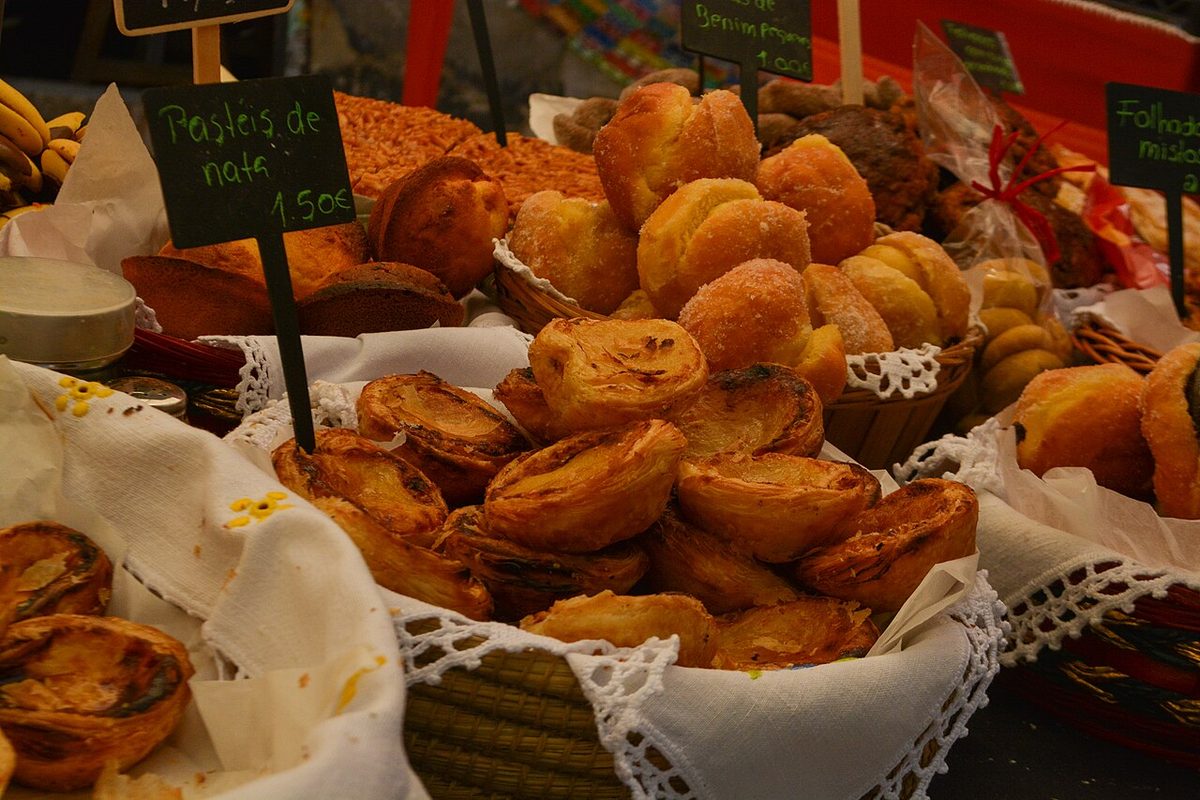
Eat properly, and cheaply. The Portuguese meal worth chasing is not in a restaurant with a menu in four languages; it is the prato do dia at a tasca at 13:00, €9–€15 with soup, wine and coffee. Learn four dishes and you will eat well anywhere: bacalhau à brás (salt cod, egg, potato), a bifana (marinated pork in a roll, €3–€4), arroz de marisco (soupy seafood rice, ordered for two) and frango piri-piri. In Porto add the francesinha, a sandwich under melted cheese and beer sauce that is better than it sounds and heavier than you expect. And know what couvert is: the bread, olives and cheese put on your table unasked are not free, they cost €2–€5, and you may simply decline them.
Drink beyond port. Vinho verde from the north-west is lightly fizzy, low in alcohol and about €10 a bottle in a shop. Alentejo reds are the everyday value. Madeira wine is fortified, heated and effectively immortal once opened. Bairrada and Dão make the serious mainland reds that nobody outside Portugal buys yet.
Hear fado once, in the right room. Fado is a sung form built around loss, and it is UNESCO-listed intangible heritage. The tourist version comes with dinner and a set list; the good version is a small room in Alfama or Mouraria where the lights go down, phones go away and nobody speaks. Coimbra has its own distinct tradition, sung by men in university capes and quite different in tone.
Look at tiles on purpose. Azulejos are the national art form and they are free: São Bento station in Porto, the Capela das Almas, the Museu Nacional do Azulejo in Lisbon, and a thousand ordinary house fronts. Buy real ones from a licensed shop; the “antique” tiles on street stalls are frequently stripped from buildings, which is a live problem in both cities.
Time your trip to a festival if you can. Santo António fills Lisbon with grilled sardines and paper decorations on the night of 12–13 June; São João turns Porto into a citywide street party on the night of 23–24 June, with plastic hammers, bonfires and midnight fireworks over the river. Those are the two best nights of the Portuguese year. Braga’s Holy Week and Madeira’s New Year fireworks are the others worth planning around.
Surf, or learn to. The Atlantic coast has beginner beaches and expert reefs within a short drive of each other almost everywhere: Ericeira and Peniche near Lisbon, Espinho and Matosinhos near Porto, Sagres and Arrifana in the south-west. The water sits at roughly 15–19°C much of the year, so you will be in a wetsuit even in August.
Soak. Portugal has a serious thermal-spa culture that visitors almost entirely miss — Termas de São Pedro do Sul, Luso and Monfortinho on the mainland, and on São Miguel the Terra Nostra and Poça da Dona Beija hot pools, the latter open late into the evening.
What to skip, and what’s overrated
Nobody else on page one will tell you this, so here it is.
- The Porto six-bridges river cruise. Fifty minutes, a recorded commentary, and views you get free from the upper deck of the Dom Luís I bridge. Put the money into a tawny port tasting.
- Riding tram 28 end to end. Standing in a scrum for forty minutes is not a cultural experience. Ride two or three stops in Alfama, or take the 12 instead, which does a shorter loop with the same trams and a fraction of the crowd.
- Albufeira’s Strip, unless that is specifically the holiday you want. It bears no relation to the rest of the country, and it is thirty minutes from coastline that does.
- Cabo da Roca as a destination. Fine as a five-minute stop en route to Cascais. Not worth a dedicated trip, and the “westernmost point” certificate costs about €12.
- The Algarve in August. Prices roughly double, the good beaches are full by 10:30, and inland temperatures pass 40°C. June and late September are the same coast at half the pressure.
- A minibus day trip to the Douro from Porto. Eight hours, four of them driving, two quintas at speed. Take the train and stay a night instead.
- Adding the Azores or Madeira to a nine-day mainland trip. You lose two days to airports and see neither properly.
- The hop-on-hop-off bus in Lisbon. The city is too steep and too narrow for it to be efficient; the metro plus your legs is faster.
And two things that are underrated rather than overrated: the Alentejo, which almost nobody schedules and everybody enjoys, and simply staying put. A four-night base with day trips beats a five-city sprint every time in a country where the pleasure is largely in sitting down.
How to fit this into a real trip
Four routes that work, plus the transport that makes them work.
| Length | Route | Bases | Car? | Best for |
|---|---|---|---|---|
| 5 days | Lisbon + Sintra + one day trip | One | No | First timers, city breaks, no-car travel |
| 7 days | Lisbon (3) → train → Porto (3) + a Douro day | Two | No | The best one-week trip in Portugal |
| 10 days | Porto (3) → Douro (1) → Coimbra or Óbidos (1) → Lisbon (3) → Évora (2) | Three or four | From Lisbon onward | Cities plus interior, open-jaw flights |
| 14 days | Porto (3) → Douro (2) → Lisbon (3) → Alentejo (2) → Algarve (4) | Five | Yes, from day 6 | North to south without backtracking |
| 7–10 days | Madeira, or one Azorean island, alone | One or two | Yes | Walkers, whale watchers, winter sun |
Lisbon to Porto is the spine of most trips. The Alfa Pendular does it in about 2h39–2h50 for roughly €35.70 in tourist class as checked in September 2026, with Intercidades around €28.05 and about twenty minutes slower. CP releases promotional fares from around €16 up to sixty days ahead; they are non-refundable and they sell out. Book at cp.pt directly — the resellers that dominate the search results add a fee for the same seat.
Do you need a car? Not for Lisbon, Porto, the Douro by train, or a Lisbon-plus-day-trips trip. Yes for the Algarve beyond Faro, the Alentejo, the interior, Madeira and the Azores. The practical answer on a two-week trip is to do the cities by train and pick the car up on the day you leave the last one — city parking is expensive and the historic centres are largely closed to traffic.
Seasons, costs and the practical layer
The short version on timing: May, June, September and early October are the good months almost everywhere. July and August are hot, expensive and busy on the coast, and genuinely dangerous inland during heatwaves. Winter is mild in Lisbon and the Algarve, wet in Porto, and reliably pleasant only in Madeira.
| What | Typical price, Sept 2026 | Note |
|---|---|---|
| Espresso (bica) at the counter | €0.80–€1.20 | More if you sit outside on a square |
| Pastel de nata | €1.20–€1.50 | Higher at Pastéis de Belém |
| Prato do dia lunch with wine | €9–€15 | Cheapest in the Alentejo and the interior |
| Dinner for two, mid-range | €40–€60 | Excluding the couvert you decline |
| Lisbon–Porto, Alfa Pendular | €35.70 tourist class | From about €16 on promo, 60 days out |
| Porto–Pinhão train | about €12.45 one way | Roughly 2h20 |
| Pena Palace, Sintra | €20 palace / €45 with park / €12 park only | Official Parques de Sintra listing; resellers quote otherwise |
| Madeira PR trail permit | €4.50 per trail; PR1 €10.50 | Booked to a 30-minute slot |
| Paiva walkways + 516 Arouca | €12 combined | Online only, daily cap |
| Port lodge tour and tasting | €20–€30 | Premium tastings considerably more |
| Benagil guided kayak trip | €30–€40 | Weather-dependent |
| Hire car, one week, mid-season | €180–€300 | Plus tolls and fuel |
Three practicalities worth knowing before you go. Tolls: several motorways, including the A22 across the Algarve, are electronic-only with no booths; hire cars can be fitted with a transponder, and taking it is almost always easier than the alternatives. Cash machines: use bank-branded Multibanco machines and avoid the standalone Euronet ones in tourist areas, which offer poor conversion at the screen. Entry rules: the EU’s Entry/Exit System began a phased rollout on 12 October 2025 with full operation from 10 April 2026, so non-EU visitors should expect biometric registration at the border. ETIAS, the separate pre-travel authorisation, is currently expected in the last quarter of 2026, with the exact date to be announced at least six months in advance. Check your own government’s travel advice close to departure rather than trusting any commercial “ETIAS” site.
Frequently asked questions
What is the number one attraction in Portugal?
By visitor numbers it is Pena Palace in Sintra, which draws well over a million people a year. By what visitors rate most highly afterwards, it tends to be the Douro Valley — the train ride and the terraced vineyards — followed by Porto’s old town. Pena is worth seeing; it is not the best thing in the country.
How many days do you need in Portugal?
Seven days is the realistic minimum for two regions, normally Lisbon and Porto with a Douro day. Ten days lets you add the Alentejo or the interior. Fourteen gets you north to south including the Algarve without rushing. Under five days, pick one city and its day trips and do that well.
Is Lisbon or Porto better?
Lisbon is bigger, brighter and has more variety, including Sintra and beaches within an hour. Porto is more compact, cheaper, easier to walk in three days and better for food and wine. If you only have time for one and it is your first trip, take Lisbon. If you have already seen a lot of European capitals, you will probably prefer Porto. Our sister site compares them in detail in its Lisbon versus Porto breakdown.
Can you still go inside Benagil cave?
You can enter by boat or on a guided kayak or SUP trip, but you cannot swim there and you cannot get out onto the sand inside. Swimming to the cave and disembarking within it have been banned since July 2024 under a Maritime Authority order, and motorised boats must stay back from the arches. The clifftop viewpoint above the skylight remains free and open.
Do you need a car in Portugal?
Not for Lisbon, Porto, the Douro Valley by train, or a city-plus-day-trips trip — trains and buses cover those well. You do need one for the Alentejo, the interior, the Algarve beyond Faro, Madeira and the Azores. On a two-week trip, do the cities by train and collect a car on the day you head into the countryside.
What is the best month to visit Portugal?
September, narrowly. The sea is at its warmest after a summer of heating, the crowds have thinned, the Douro harvest is on and prices have dropped from their August peak. May and early June are a close second: greener, with longer evenings, but a colder ocean. Avoid the first fortnight of August anywhere on the coast.
Is Portugal expensive?
It is one of western Europe’s better-value countries, but Lisbon and the Algarve in summer are no longer cheap. Eating and drinking stay inexpensive almost everywhere — a full lunch with wine for €12 is normal — while peak-season accommodation and headline attractions have risen sharply. Budget travellers manage on €70–€90 a day; €150–€200 a day is comfortable for two outside August.
Madeira or the Azores — which should I choose?
Madeira for reliable weather, dramatic mountain walking, easy logistics and a winter trip. The Azores for volcanic landscapes, whales, hot springs, far fewer people and lower prices, at the cost of changeable weather and more complicated island-hopping. If it is your first Atlantic island trip and you have a week, take Madeira; if you have ten days and do not mind rain, take São Miguel and Pico.
When can you see the big waves at Nazaré?
Roughly October to March, when Atlantic storm swell meets the deep canyon offshore. The biggest days usually fall between November and February and cannot be predicted more than a few days ahead, so watch the forecast and be within driving distance rather than booking months out. In summer, Praia do Norte is an ordinary beach.
What should you not do in Portugal?
Do not assume Spanish will do — it is not appreciated, and English is widely spoken. Do not eat the couvert unless you want to pay for it. Do not buy “antique” azulejos from street sellers, since many are stripped from buildings. Do not underestimate the hills in Lisbon or Porto if you have knee trouble. And do not order a coffee to take away and expect enthusiasm; the bica is drunk standing at the counter in about ninety seconds.
Lisbon needs more space than a section of a country guide can give it, so the detail lives on its own page: our district-by-district guide to Lisbon covers Alfama, Belem, the viewpoints and the fado houses, plus a three-day plan and the day trips to Sintra, Cascais and Setubal.
The north gets its own hub rather than a paragraph here: our Porto planning guide covers the Ribeira and both decks of the Dom Luis I bridge, how to choose a single port lodge instead of three, the tiled churches nobody photographs, and the Douro line to Pinhao with the current fares and departure times.
The south gets its own hub, because it is really three coasts rather than one: our Algarve planning guide separates the warm eastern lagoon from the famous central cliffs and the wild Atlantic west, sets out the current Benagil cave restrictions in full, and says which base suits which kind of trip.
Timing gets a page of its own, because Portugal has four climates rather than one and the usual “spring or autumn” answer hides more than it explains. Our month-by-month guide to when to visit sets out the official climate normals for six places across the mainland and both island groups, alongside a crowd and price index for every month.
If you want the country as a sequence rather than a menu, our Portugal itinerary hub lays out day-by-day routes for five, seven, ten and fourteen days, with the actual train times and fares between every stop, island weeks for Madeira and the Azores, and a section on which famous stops are not worth the transfer.
Lisbon has the best day-trip belt of any European capital, and it gets its own page: our guide to day trips from Lisbon ranks Sintra, Cascais, the Arrabida coves, Obidos, Mafra and the monastery cluster on what each actually gives back for the journey.
Madeira needs a week rather than the three nights most mainland itineraries allow it, and it gets its own hub: our Madeira planning guide covers the Pico do Arieiro ridge, the levadas and the paid permit system that replaced free access, the north coast, and an honest account of what the island’s beaches actually are.
Portugal’s most searched stretch of coast has its own guide: our Algarve beaches page explains why the eastern islands have the warmest water, why the west coast needs a wetsuit in August, and which of the famous coves are worth the staircase.
The oldest demarcated wine region in the world gets its own hub: our Douro Valley guide sets out the train, the N222, the quintas and the September harvest, and makes the case for two nights in the valley rather than a day trip from Porto.
The Azores are nine islands rather than one destination, and they get their own hub: our Azores planning guide gives an honest verdict on every island, says how many to combine in a week, sets out the whale calendar in detail and explains what the Atlantic weather will do to your plans.
If castles are what draw you, our guide to the best castles in Portugal ranks the twelve worth crossing the country for, from Guimarães and Sintra’s Moorish Castle to Almourol on its island in the Tagus, with the history that explains them, 2026 prices and castle hotels.
Where to go next
This hub is the front door to the rest of the site. Over the coming weeks it will link down to full guides for each region — Lisbon, Porto, the Algarve, the Douro, Madeira and the Azores — plus the planning pillars on when to go, what it costs, how to get around and how to build an itinerary. In the meantime, if Lisbon is your first stop, our sister site lisbontourism.org already covers the capital in far more depth than any single page could, from the trams to the best places for a pastel de nata and whether the Lisboa Card pays for itself.
Photo credits
- Palácio da Pena, Sintra — Jorge Franganillo, CC BY 2.0, via Wikimedia Commons
- Tram 28 in Alfama, Lisbon — Jorge Franganillo, CC BY 2.0, via Wikimedia Commons
- Ribeira and the Douro, Porto — Michael Gaylard, CC BY 4.0, via Wikimedia Commons
- Terraced vineyards, Douro Valley — Rosino, CC BY-SA 2.0, via Wikimedia Commons
- Praia da Marinha, Algarve — Tobi 87, CC BY-SA 3.0, via Wikimedia Commons
- Between Pico do Arieiro and Pico Ruivo, Madeira — Vítor Oliveira, CC BY-SA 2.0, via Wikimedia Commons
- Lagoa das Sete Cidades, São Miguel — Jules Verne Times Two, CC BY-SA 4.0, via Wikimedia Commons
- Monsanto, central Portugal — Alvesgaspar, CC BY-SA 4.0, via Wikimedia Commons
- Pastéis de nata — ProtoplasmaKid, CC BY-SA 4.0, via Wikimedia Commons
- Big-wave surfing at Praia do Norte, Nazaré — Carlos Eduardo Joos, CC BY 2.0, via Wikimedia Commons
Prices, opening rules and permit systems in this guide were checked in September 2026 and are quoted in euros. The ones most likely to change are Sintra’s ticket structure (recently restructured and still quoted inconsistently by resellers), Madeira’s trail fees, and the ETIAS start date. Always confirm at the official source — Parques de Sintra, CP, SIMplifica and Visit Portugal — before you book. Last updated 10 September 2026.