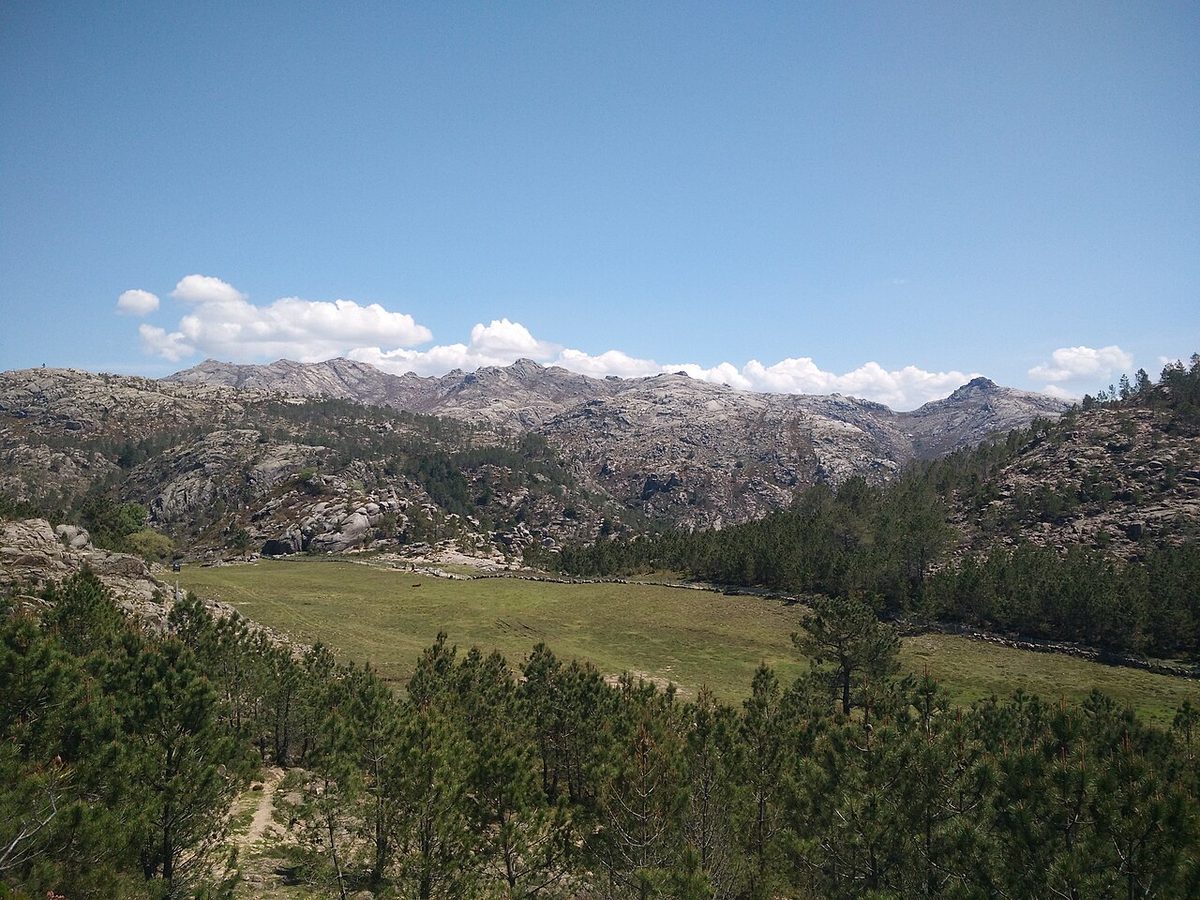
Search for Portugal national parks and you’ll find lists that call everything a national park, from Sintra to the Ria Formosa. In fact Portugal has exactly one, Peneda-Gerês, and thirteen natural parks on the mainland, plus the island parks of Madeira and the Azores. The difference matters less to a visitor than you’d think, but the confusion hides something more useful: which of the fourteen are worth a special trip, which are better as a detour, and what each one is actually like on the ground. This guide ranks all fourteen for visitors, with the landscapes, the wildlife, the best walks and viewpoints, where to stay and the rules that catch people out.
The short answer: Peneda-Gerês, Portugal’s only national park, is the one to see first, followed by the Costa Vicentina’s wild coast, the Serra da Estrela’s mountains and the Ria Formosa lagoon. None of Portugal’s national or natural parks charge an entry fee, but some trails need booking or permission, and wild camping is banned.
Portugal national parks and natural parks at a glance
Ranked for a first-time visitor, weighing the landscapes, the walking, the wildlife and how easy each park is to enjoy. Drive times are approximate.
| # | Park | Region | Landscape | Best for | Base | Best time |
|---|---|---|---|---|---|---|
| 1 | Peneda-Gerês National Park | Minho / Trás-os-Montes | Granite mountains, oak woods, rivers | Hiking, waterfalls, villages | Gerês, Soajo | May–October |
| 2 | Sudoeste Alentejano e Costa Vicentina | Alentejo / Algarve coast | Wild cliffs and beaches | Coastal walking, surf | Milfontes, Aljezur | September–June |
| 3 | Serra da Estrela | Beira | High plateau, glacial valley | Mountains, snow, cheese | Manteigas, Covilhã | May–June, October; snow in winter |
| 4 | Ria Formosa | Algarve | Lagoon, barrier islands, salt pans | Birds, boat trips, island beaches | Olhão, Tavira | All year |
| 5 | Arrábida | Setúbal | Limestone ridge over turquoise sea | Beaches, views, dolphins nearby | Setúbal, Sesimbra | June, September |
| 6 | Sintra-Cascais | Lisbon coast | Forested hills, cliffs, dunes | Palaces, coastal walks | Sintra, Cascais | All year |
| 7 | Douro Internacional | Trás-os-Montes / Beira | River canyon on the border | Vultures, viewpoints, boat trips | Miranda do Douro | March–June |
| 8 | Montesinho | Trás-os-Montes | Oak and chestnut uplands | Remote villages, autumn colour | Bragança | April–June, October |
| 9 | Serra de São Mamede | Alentejo | Granite and quartzite hills | Hill towns, chestnut woods | Marvão, Castelo de Vide | Spring, autumn |
| 10 | Serras de Aire e Candeeiros | Centre | Limestone uplands and caves | Caves, dinosaur tracks, salt pans | Porto de Mós, Fátima | All year |
| 11 | Vale do Guadiana | Alentejo | River valley and dry hills | Mértola, Pulo do Lobo, birds | Mértola | March–May, October |
| 12 | Alvão | Trás-os-Montes | Quartzite plateau and gorges | The Fisgas de Ermelo waterfall | Mondim de Basto, Vila Real | Spring, autumn |
| 13 | Tejo Internacional | Beira Baixa | Tagus gorges on the border | Birdwatching | Castelo Branco, Idanha-a-Nova | March–June |
| 14 | Litoral Norte | Minho coast | Dunes, pinewoods, estuaries | Easy coastal walks and cycling | Esposende | Spring, summer |
National park or natural park: what’s the difference?
Portugal’s protected areas are managed by the ICNF, the Institute for Nature Conservation and Forests, and on the mainland the national network now includes some fifty areas of different kinds. At the top sits one national park, Peneda-Gerês, created in 1971: the only area large and wild enough to meet the international standard, with zones of strict protection where access is controlled. Below it come thirteen natural parks, large areas where people still live, farm, graze animals and build, and where the aim is to protect a landscape shaped by both nature and people. Then there are nature reserves, mostly wetlands and islands; natural monuments, like the dinosaur tracks in the Serra de Aire; and protected landscapes.
For visitors, the practical differences are small. None of the parks charge an entry fee or have gates; you drive in on public roads and may not notice the boundary. What changes is the rules: in parts of Peneda-Gerês you need permission to walk certain trails, and across all protected areas wild camping, fires, drones and disturbing wildlife are restricted (more on that below). And since many search results describe Sintra, the Ria Formosa or the Serra da Estrela as national parks, it’s worth knowing that they aren’t, so you can find the right official information.
The 14 parks, ranked for visitors
1. Peneda-Gerês National Park
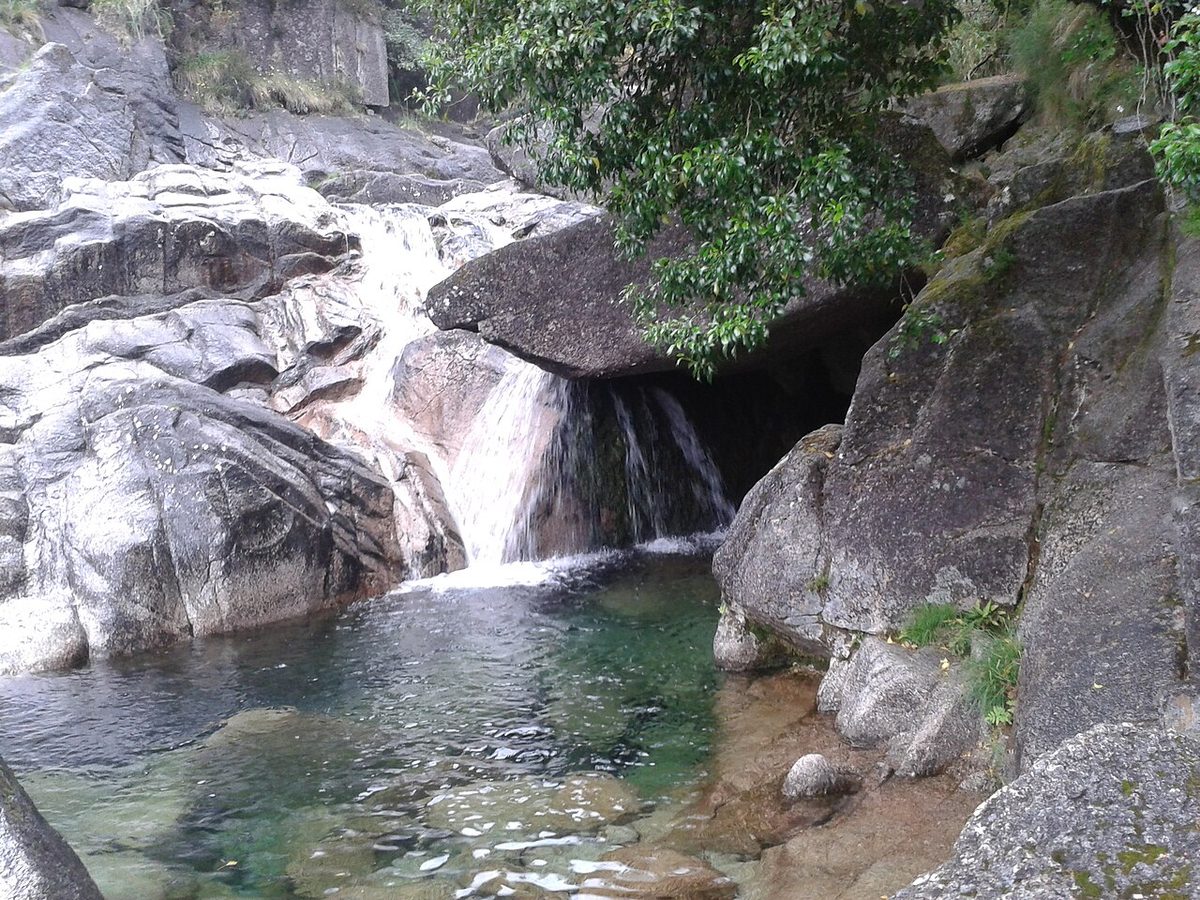
Portugal’s only national park covers some 70,000 hectares of granite mountains on the Spanish border in the far north: the ranges of the Peneda, Soajo, Amarela and Gerês, cut by deep valleys of oak and holly woods and rushing rivers with clear green pools. It’s the wildest landscape on the mainland, and it’s also lived in: the villages inside it, with their granite houses, communal ovens and stone granaries on stilts, are among the most traditional in the country. Wild garrano ponies and long-horned Barrosã cattle graze the high pastures, roe deer and wild boar live in the woods, golden eagles hunt over the ridges, and the park is one of the last strongholds of the Iberian wolf in Portugal, though you’re very unlikely to see one.
Don’t miss: the Pedra Bela viewpoint above Gerês village and the Caniçada reservoir; the ancient oak forest of the Mata da Albergaria and the Roman milestones along the Geira, the old road from Braga to Astorga; the baroque sanctuary of Nossa Senhora da Peneda under a granite cliff; the granaries of Soajo and Lindoso; and the remote village of Pitões das Júnias with its ruined monastery and waterfall. In dry summers, the ruins of Vilarinho da Furna, a village drowned by a dam in the 1970s, re-emerge from the reservoir.
Rules: trails in the Total Protection Zone are limited to groups of ten and need authorisation from the ICNF, requested by email at least a week ahead; groups of more than ten need permission in parts of the Partial Protection Zone too. The popular river pools are crowded on August weekends, and the rocks are slippery: there are accidents every summer. Base: Gerês village for convenience, Soajo or Campo do Gerês for rural stays. Verdict: the best park in Portugal, and worth three days. Our hiking guide has the trails.
2. Sudoeste Alentejano e Costa Vicentina Natural Park
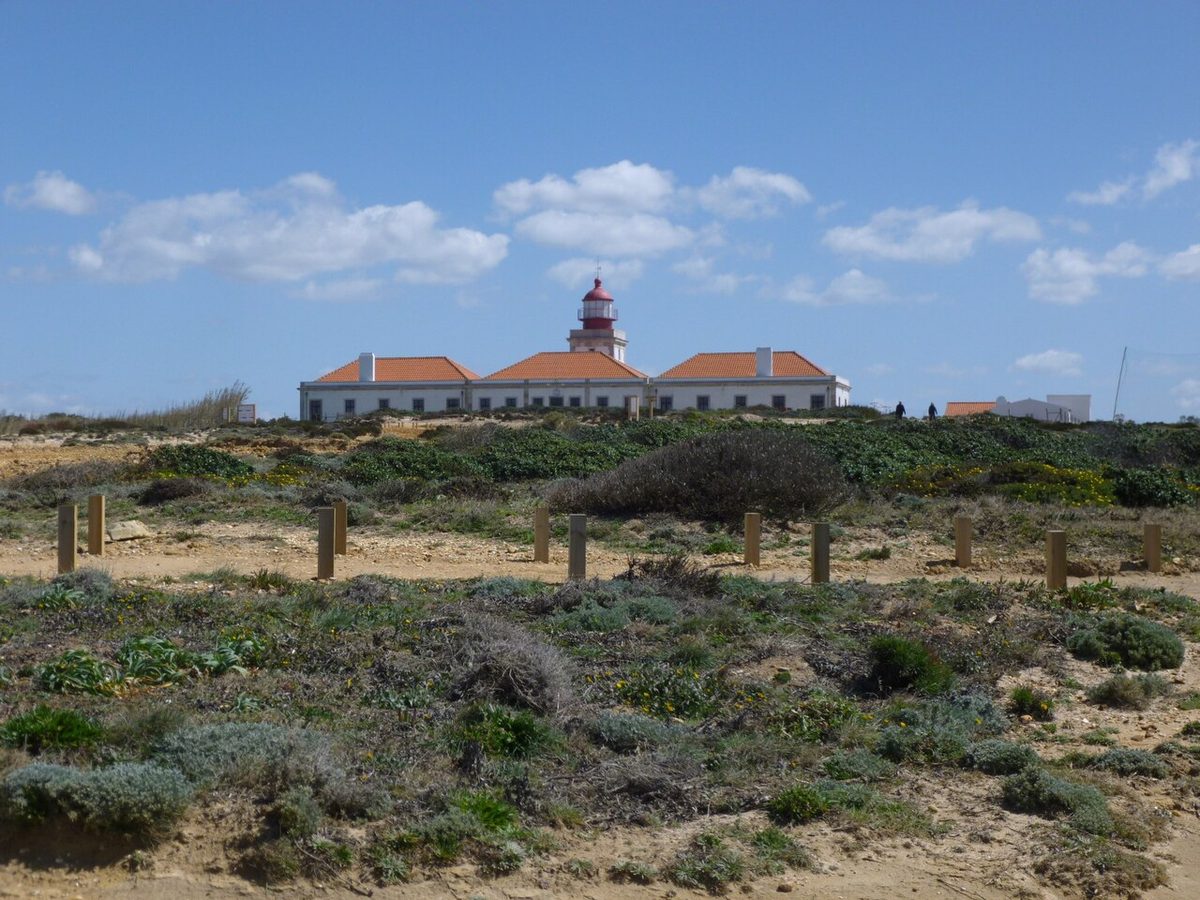
From São Torpes, just south of Sines, to Burgau in the Algarve, this natural park protects around a hundred kilometres of Portugal’s south-west coast, together with a strip of the sea: the wildest coastline in southern Europe. Dark schist cliffs, streaked with ochre and red, drop to beaches backed by dunes and heath, and Atlantic swells roll in all year. White storks nest on the sea stacks at Cabo Sardão, which is said to happen nowhere else in the world, and the clifftop heath holds dozens of plants found only here. The villages, like Vila Nova de Milfontes, Zambujeira do Mar, Odeceixe, Aljezur and Carrapateira, are small and low-key.
Don’t miss: the Rota Vicentina, whose Fishermen’s Trail runs 226.5 km along the clifftops in 13 one-day stages and is walkable in either direction; the beaches of Odeceixe, Amado, Bordeira and Arrifana; and the lighthouse at Cabo de São Vicente at the park’s southern tip. Rules: wild camping and overnight campervan stays outside authorised sites are banned and enforced. The sea is cold and the currents strong; swim at lifeguarded beaches. Base: Milfontes, Zambujeira, Odeceixe or Aljezur. Best time: September to June for walking; summer for beaches. Verdict: the best coastal park in Portugal.
3. Serra da Estrela Natural Park
Created in 1976 and covering close to 900 square kilometres, the Serra da Estrela protects mainland Portugal’s highest mountains, which top out at Torre (1,993 m): a bare granite plateau scraped by ice-age glaciers and dotted with small lakes, broken on its eastern side by the Zêzere glacial valley, a textbook U-shaped trough you can drive along. It’s the source of the Mondego and Zêzere rivers, the home of Portugal’s only ski runs and its best cheese, and since 2020 it has also been a UNESCO Global Geopark. In August 2022, a wildfire burned well over 20,000 hectares of the park, including slopes of the glacial valley; regrowth is under way.
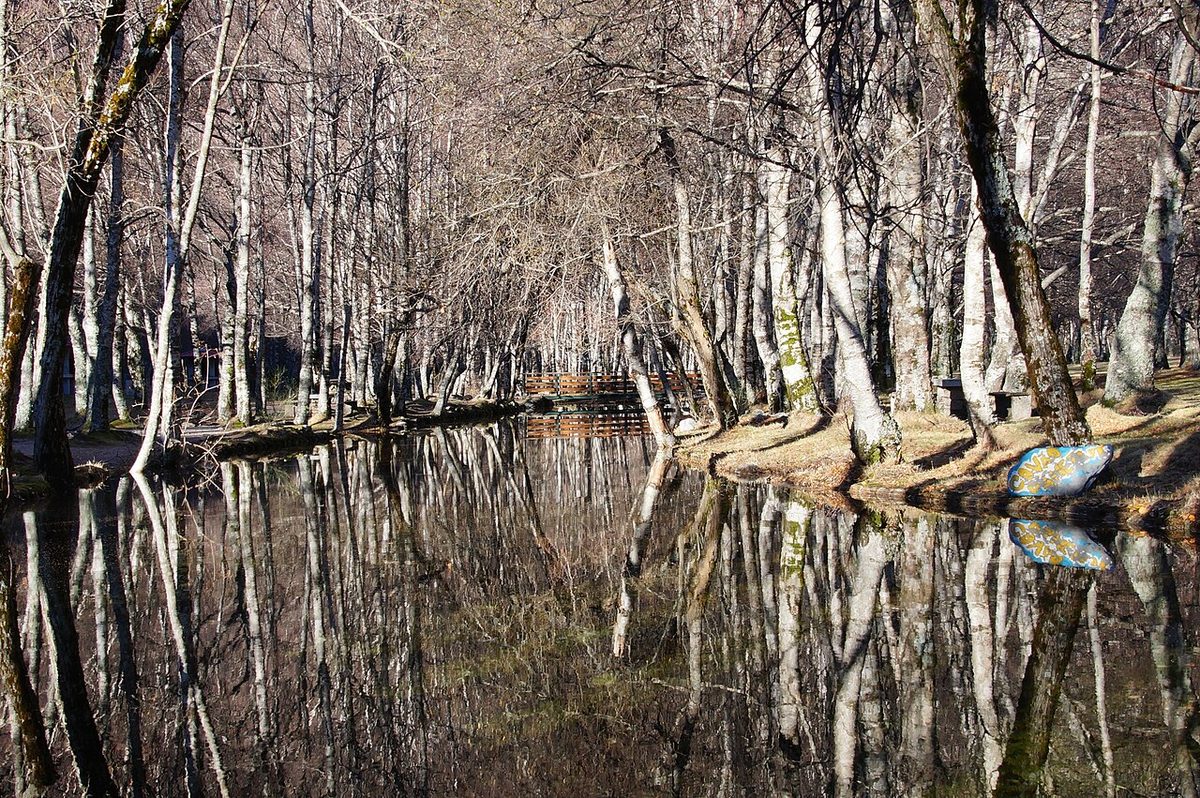
Don’t miss: the meadow of Covão d’Ametade at the head of the glacial valley; the drive over Torre on the N339; the walk from Lagoa Comprida to Covão dos Conchos and its round spillway. Base: Manteigas for walkers, Covilhã for trains and snow. Verdict: the most surprising landscape on the mainland. Our Serra da Estrela guide covers it in depth.
4. Ria Formosa Natural Park
Along some 60 km of the eastern Algarve coast, from near Faro airport to Manta Rota, a chain of sandbar islands shelters a lagoon of channels, mudflats, salt marsh and salt pans: the Ria Formosa, one of the most important wetlands in Portugal. It’s a place for birds (flamingos, spoonbills, avocets and the purple swamphen, a gaudy blue-and-red rail that’s a speciality here), for shellfish (much of Portugal’s clams and oysters are farmed in it), and for the barrier-island beaches, which are among the emptiest in the Algarve. The lagoon also holds one of the world’s largest populations of seahorses, though numbers have fallen sharply, and Mediterranean chameleons live in the pinewoods on its edge.
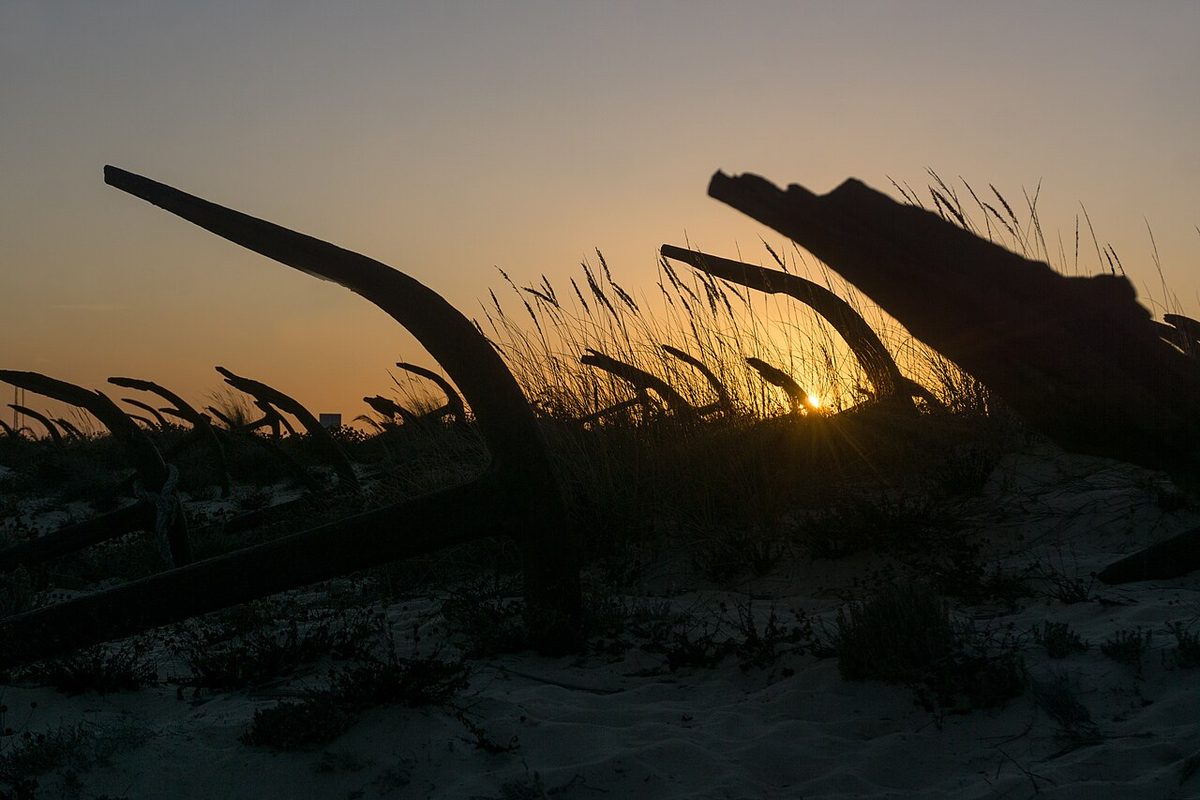
Don’t miss: a ferry from Olhão to the car-free islands of Culatra and Armona; the anchor cemetery at Praia do Barril on the Ilha de Tavira; the bird hide on the São Lourenço trail near Quinta do Lago; and the park’s environmental education centre at Marim, east of Olhão, with trails and a restored tide mill. Base: Olhão or Tavira. Verdict: the best park for birdwatching and lazy island days. See our Algarve guide.
5. Arrábida Natural Park
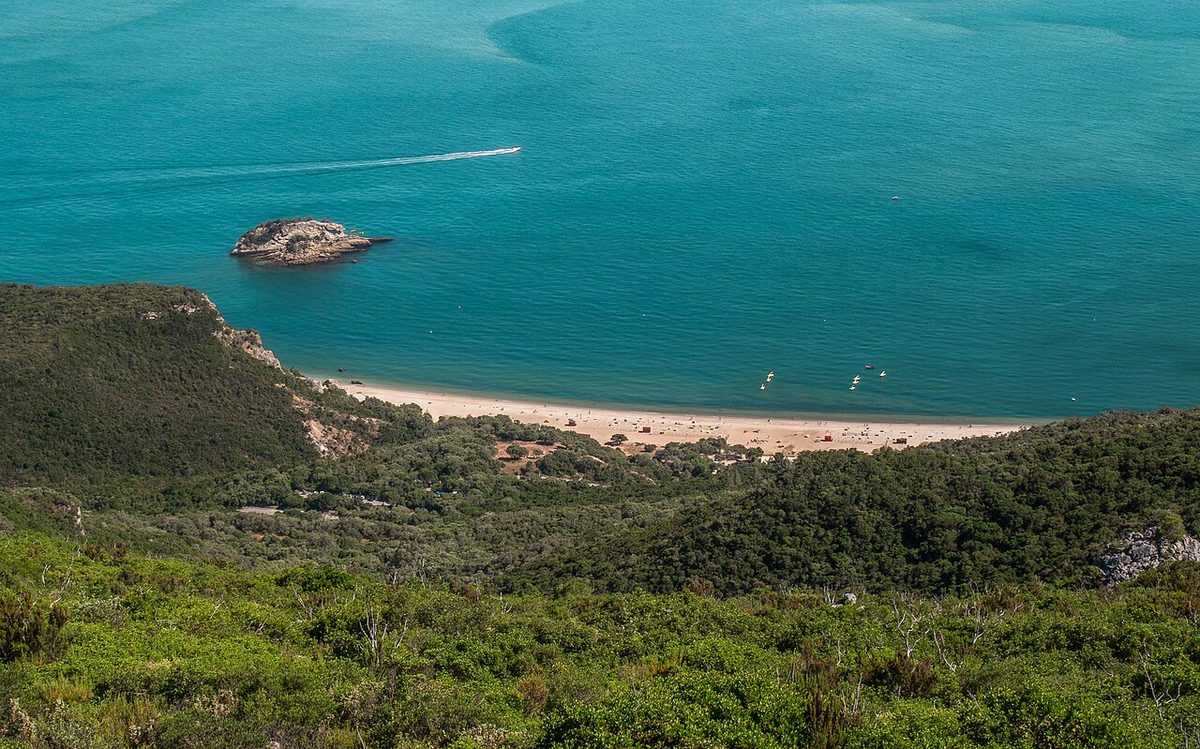
South of Lisbon, the Serra da Arrábida is a limestone ridge running along the coast between Setúbal and Cabo Espichel, cloaked in dense Mediterranean maquis that’s among the best preserved in Europe, and dropping almost vertically into a sea so clear and turquoise that it looks transplanted from the Caribbean. The park, created in 1976, includes the beaches under the ridge (Portinho da Arrábida, Galapinhos, Creiro, Figueirinha), the sixteenth-century Arrábida convent on the hillside, a marine park offshore and, at its western end, the windswept Cabo Espichel, with dinosaur footprints in the cliffs. Across the Sado estuary, a resident group of around thirty bottlenose dolphins can be seen year-round on small-boat trips from Setúbal.
Rules: in summer, road access and parking for the beaches are restricted, with shuttle buses at peak times; check before you go. Base: Setúbal, Sesimbra or Azeitão, known for its cheese and Moscatel wine. Verdict: the most beautiful coast within an hour of Lisbon.
6. Sintra-Cascais Natural Park
The Sintra-Cascais Natural Park takes in the forested granite hills of Sintra, with their palaces and gardens, and the coast west of Lisbon from Cabo da Roca, the westernmost point of mainland Europe, to the dunes and surf beach of Guincho. Much of it overlaps the Sintra World Heritage cultural landscape, but its natural side is easy to miss: the misty forests of oak, cork and tree ferns on the hills, the wild beach of Praia da Ursa below Cabo da Roca, reached by a steep path, and the Peninha sanctuary, a viewpoint on the ridge with a view along the whole coast.
Base: Sintra or Cascais. Verdict: Sintra’s palaces get the crowds; walk the hills and the coast between them for the park itself. Our day trips from Lisbon guide covers the palaces.
7. Douro Internacional Natural Park
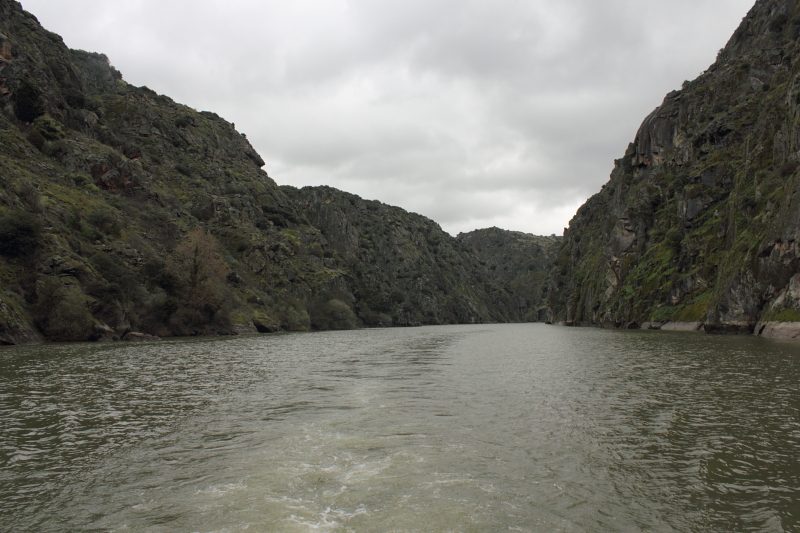
Where the Douro and its tributary the Águeda form the border with Spain, they run through a granite canyon up to several hundred metres deep, the arribas, and this natural park protects the Portuguese side. It’s the best place in Portugal for birds of prey: griffon and Egyptian vultures, Bonelli’s and golden eagles, eagle owls and black storks nest on the cliffs, and the sheltered, almost Mediterranean microclimate at the bottom of the canyon lets olives, almonds and oranges grow far further north than they should. Spain’s Arribes del Duero park protects the other bank.
Don’t miss: a boat trip into the canyon from Miranda do Douro; the viewpoints at São João das Arribas near Miranda, Fraga do Puio near Picote and Penedo Durão near Freixo de Espada à Cinta; the almond blossom in February and March. Base: Miranda do Douro, where the Mirandese language is spoken. Verdict: the best park for wildlife, and wonderfully remote.
8. Montesinho Natural Park
North-east of Bragança, Montesinho is a high, rolling upland of heath, oak and chestnut woods, streams and small farming villages built of schist and granite, with slate roofs and wooden balconies. It’s one of the most remote and traditional corners of Portugal, home to the Iberian wolf and roe deer, and its villages, like Rio de Onor, split down the middle by the Spanish border, Montesinho, Guadramil and França, still keep communal traditions of shared ovens, mills and pastures.
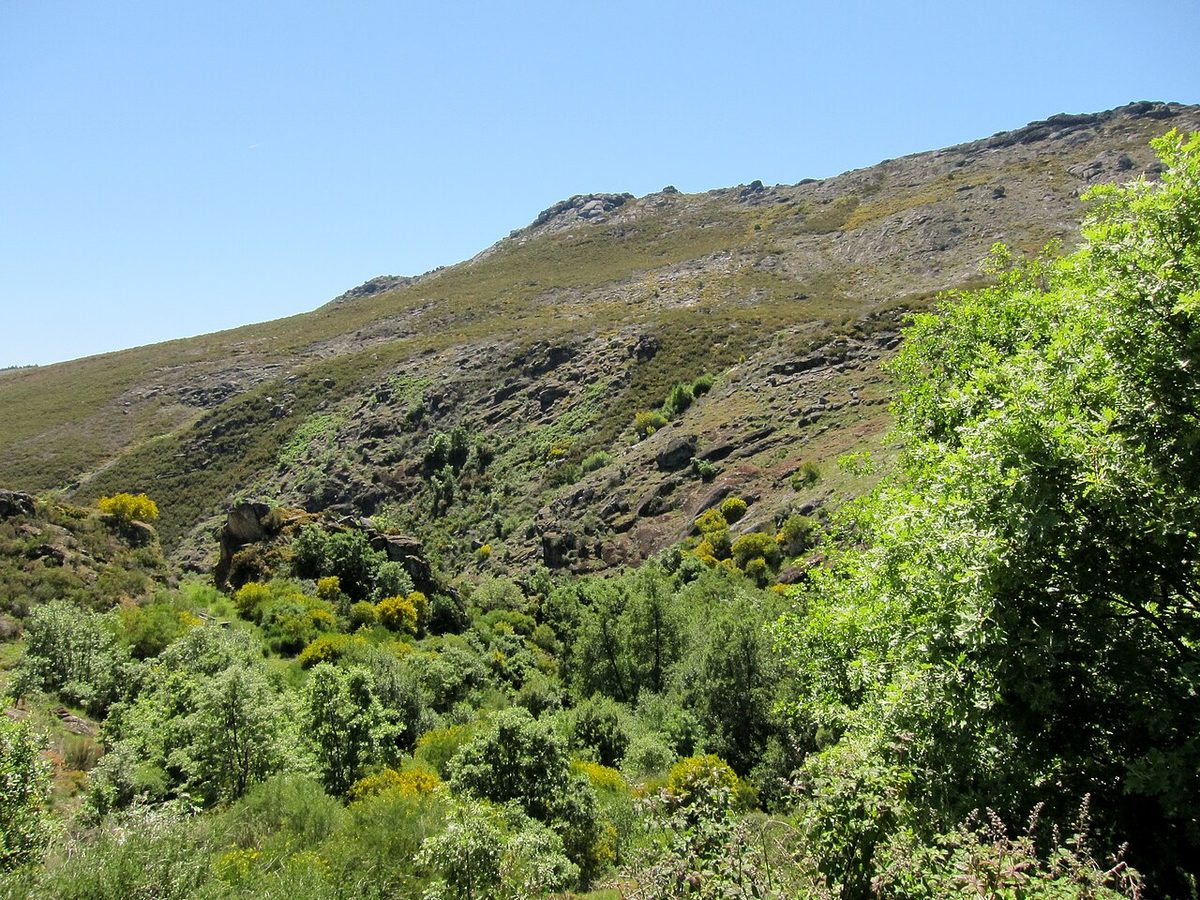
Don’t miss: Rio de Onor; the Porto Furado trail; the autumn colours of the chestnut woods. Base: Bragança, with its walled citadel. Verdict: for travellers who want to get properly off the map. Our guide to Portugal off the beaten path covers the north-east.
9. Serra de São Mamede Natural Park
On the Spanish border in the north-east of the Alentejo, the Serra de São Mamede is a ridge of granite and quartzite hills rising above the plains, wetter and greener than the rest of the Alentejo, with chestnut and oak woods. Its great attraction is human: the walled village of Marvão on its crag, the white hill town of Castelo de Vide and the cathedral town of Portalegre, plus the excavated Roman town of Ammaia in the valley. Griffon vultures soar over the ridges.
Base: Marvão or Castelo de Vide. Verdict: the best combination of walking and beautiful towns in the south. See our Alentejo guide.
10. Serras de Aire e Candeeiros Natural Park
Between Leiria, Fátima and Rio Maior, the Serras de Aire e Candeeiros are a limestone massif riddled with caves, sinkholes and underground rivers. The Mira de Aire caves are the largest cave system in Portugal open to visitors; the dinosaur tracks at Bairro, near Fátima, include some of the longest sauropod trackways ever found, around 175 million years old; the Fórnea, near Porto de Mós, is a vast natural amphitheatre in the limestone; and at Rio Maior, inland salt pans fed by a saltwater spring have been worked for centuries. In wet winters the Polje de Minde floods into a temporary lake.
Base: Porto de Mós, Fátima or Batalha. Verdict: a fascinating detour from the monastery route, especially with children.
11. Vale do Guadiana Natural Park
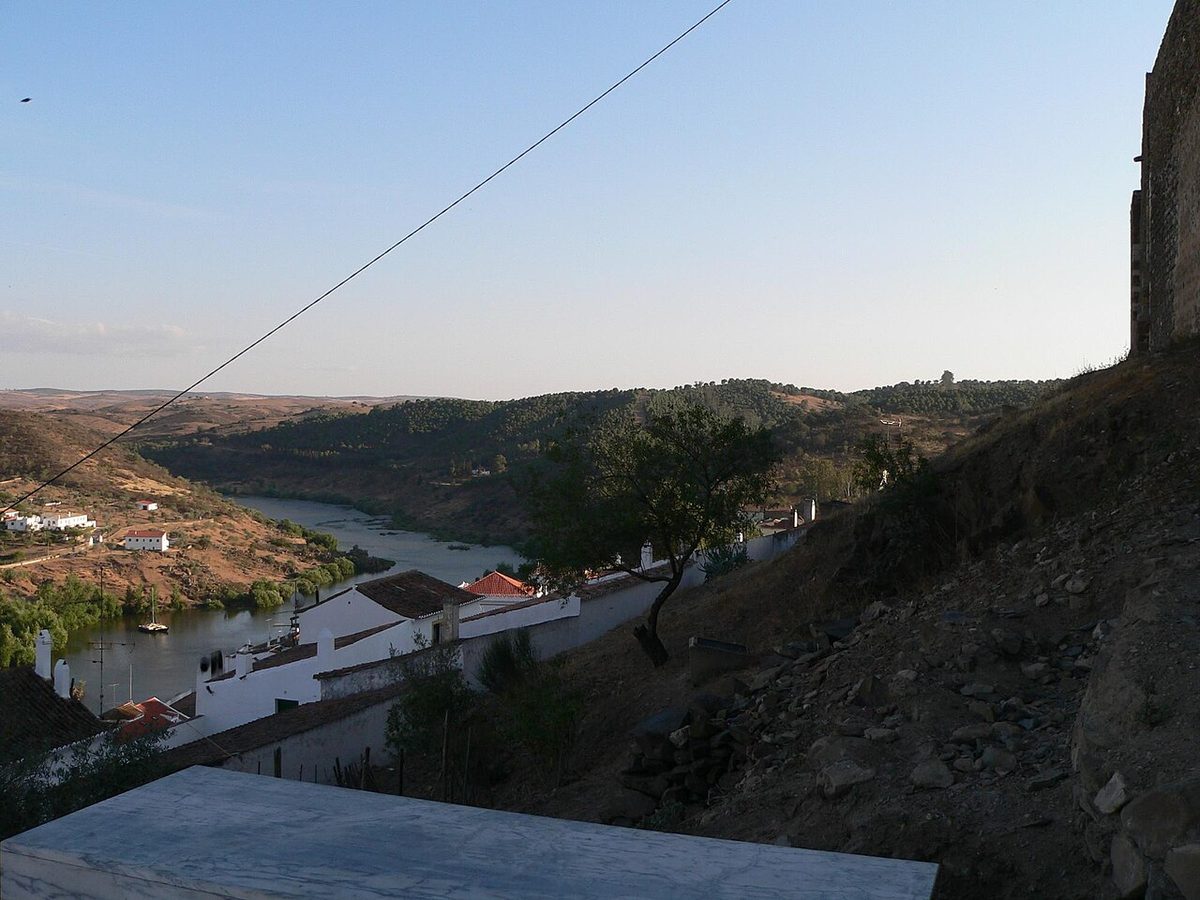
In the deep south of the Alentejo, the Guadiana runs through a valley of dry, rocky hills around the white town of Mértola, and the natural park protects the river and the steppe-like country around it. It’s a stronghold for black storks, Bonelli’s eagles and eagle owls, and since 2015 it has been one of the places where the Iberian lynx, once on the brink of extinction, has been reintroduced, though you’re very unlikely to see one. North of Mértola, at the Pulo do Lobo, the whole river forces its way through a narrow rock gorge in a roaring waterfall.
Base: Mértola. Best time: spring, when the hills are green and flowering; summer is fiercely hot. Verdict: combine it with Mértola’s Islamic heritage and the abandoned mine at São Domingos.
12. Alvão Natural Park
Alvão, between Vila Real and Mondim de Basto, is the smallest of the natural parks: a quartzite and granite plateau where the river Olo plunges off the edge in the cascades of the Fisgas de Ermelo, one of the highest waterfalls in Portugal, with natural pools above the falls for swimming. The granite village of Lamas de Olo, on the plateau, and the schist village of Ermelo, below it, are both worth a wander.
Base: Mondim de Basto or Vila Real. Verdict: a half-day for the waterfall; small but rewarding.
13. Tejo Internacional Natural Park
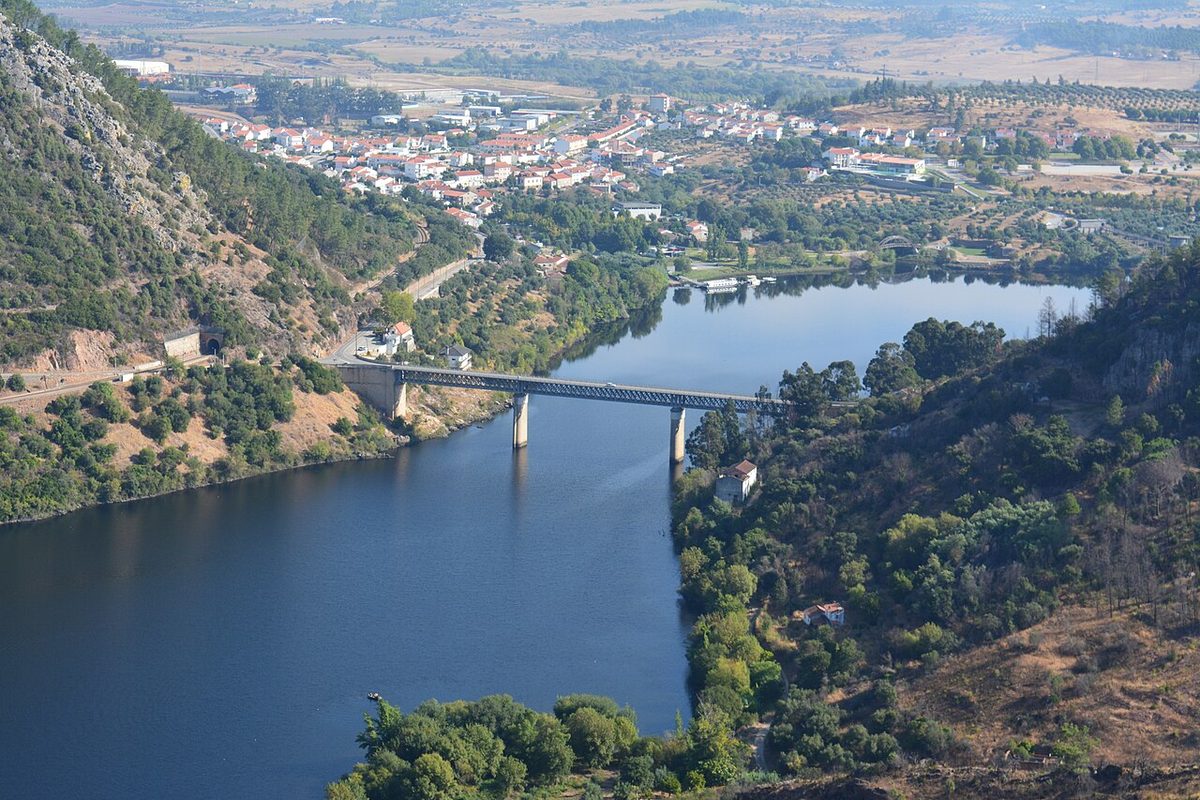
Along the Spanish border east of Castelo Branco, the Tagus and its tributaries, the Erges, Ponsul and Aravil, cut deep gorges through a remote landscape of cork oak and holm oak. The Tejo Internacional is above all a birdwatchers’ park: black storks, griffon and black vultures, Bonelli’s eagles and eagle owls nest on its cliffs, and it shares the river with Spain’s Tajo Internacional park. Just to the west, the Portas de Ródão, a dramatic quartzite gorge on the Tagus with a griffon vulture colony, is a natural monument in its own right.
Base: Castelo Branco or Idanha-a-Nova; Monsanto is close by. Verdict: essential for birders, a long drive for everyone else.
14. Litoral Norte Natural Park
Around Esposende, between Porto and Viana do Castelo, the Litoral Norte protects a stretch of coastal dunes, pine forest and the estuaries of the Cávado and the Neiva. It’s the gentlest of the parks, with flat walking and cycling paths through the dunes, and its cultural highlights are at Apúlia: old windmills on the dunes and the traditions of the sargaceiros, who harvested seaweed from the beach as fertiliser in distinctive white tunics.
Base: Esposende. Verdict: pleasant if you’re on the north coast; not worth a special trip.
The islands’ parks
Madeira and the Azores have their own regional parks, and they include some of the most spectacular protected landscapes in Portugal.
- Madeira Natural Park, created in 1982, covers around two-thirds of the island, including the central mountains and the Laurisilva, the laurel forest that is Portugal’s only natural World Heritage Site. Since January 2026, all of the island’s official PR trails must be booked on the SIMplifica site, at €4.50 per trail (€10.50 for the PR1 from Pico do Arieiro). Our guide to Madeira’s best levada walks covers them.
- The Desertas and Selvagens, uninhabited islands off Madeira, are nature reserves: the Desertas shelter one of the last colonies of the Mediterranean monk seal, visited on boat trips from Funchal, and the Selvagens are a seabird sanctuary.
- The Azores’ Island Natural Parks: each of the nine islands has its own natural park, covering its crater lakes, peaks and coasts, from Sete Cidades and Lagoa do Fogo on São Miguel to the mountain on Pico. See our Azores islands guide.
Other protected areas worth a visit
- Tagus Estuary Nature Reserve, just upstream from Lisbon: one of the most important wetlands in Europe for wintering waders and flamingos.
- Sado Estuary Nature Reserve, at Setúbal: the resident bottlenose dolphins, rice fields and salt pans.
- Berlengas Nature Reserve, off Peniche: a granite island with a seabird colony and a fort, also a UNESCO Biosphere Reserve.
- Serra da Malcata Nature Reserve, near Sabugal: created to protect the Iberian lynx, in wild oak country on the border.
- Paul do Boquilobo, near Golegã: a wetland with large colonies of herons and egrets.
- Castro Marim and Vila Real de Santo António salt marsh, at the mouth of the Guadiana: flamingos, avocets and storks.
- Natural monuments: the dinosaur tracks of the Serra de Aire and at Cabo Espichel, the Portas de Ródão gorge, and Cabo Mondego’s Jurassic cliffs.
Wildlife: what you might see, and where
| Species | Where | When | Chances |
|---|---|---|---|
| Iberian wolf | Peneda-Gerês, Montesinho | All year | Very low; you may see tracks |
| Iberian lynx | Vale do Guadiana (reintroduced) | All year | Very low |
| Griffon and Egyptian vultures | Douro Internacional, Tejo Internacional, Portas de Ródão | Griffons all year; Egyptian vultures spring–summer | High at the canyon viewpoints |
| Black stork | Douro and Tejo Internacional, Guadiana | Spring–summer | Moderate |
| White storks nesting on sea stacks | Costa Vicentina, Cabo Sardão | Late winter–spring | High |
| Greater flamingo | Ria Formosa, Castro Marim, Tagus estuary | Most of the year | High |
| Purple swamphen | Ria Formosa (Quinta do Lago) | All year | Moderate to high |
| Bottlenose dolphin | Sado estuary, from Setúbal | All year | High on a boat trip |
| Garrano ponies and Barrosã cattle | Peneda-Gerês | All year | High |
| Golden eagle | Peneda-Gerês, Douro Internacional | All year | Low to moderate |
| Mediterranean monk seal | Desertas, Madeira | All year | Low to moderate on a boat trip |
Rules and etiquette in Portugal’s parks
- No wild camping. Camping outside campsites is not allowed in Portugal’s protected areas, and overnight stays in campervans are banned outside authorised sites; the rules are enforced, especially on the Costa Vicentina.
- Fire. During the summer fire season, barbecues and fires are banned in rural areas, and on days of high risk some trails and roads close. Never throw a cigarette from a car.
- Permits. In Peneda-Gerês, walking in the Total Protection Zone needs ICNF authorisation a week ahead; Madeira’s trails need a SIMplifica booking.
- Drones. Portugal applies the EU drone rules, which require most camera-drone operators to register (in Portugal, with ANAC), and flying is restricted or banned in many protected areas and near wildlife.
- Working dogs and livestock. Flocks in the mountains are guarded by big working dogs. Give them a wide berth, don’t walk between dogs and sheep, and close gates behind you.
- Leave it as you found it. Don’t pick plants, disturb nesting birds or feed animals, and take your rubbish home.
What to skip, and what’s overrated
- Peneda-Gerês’s famous pools on an August weekend. The best-known waterfalls and river pools are packed, the access roads jammed and parking chaotic. Go on a weekday, early, or walk to the less famous pools.
- Driving through a park and calling it a visit. Most of these landscapes only reveal themselves on foot. Even a two-hour walk is worth more than a day in the car.
- Looking for wolves and lynx. Both are present, but they’re shy and scarce. Come for the vultures, storks and flamingos instead, which you’re almost certain to see.
- The Litoral Norte and the Tejo Internacional as destinations for non-specialists. One is pleasant but low-key; the other is superb for birders but a long drive for everyone else.
- Calling everything a “national park”. It won’t spoil your trip, but searching for “Ria Formosa National Park” or “Serra da Estrela National Park” can send you to out-of-date or unofficial information. The ICNF and the regional governments of Madeira and the Azores run the parks.
Three park-hopping routes
Several parks sit close enough together to link in a single trip. These three routes each take four or five days by car; drive times between parks are mostly under two hours.
The wild north (5 days from Porto)
Drive north to Peneda-Gerês for two nights, one in Gerês village and one in Soajo or Pitões das Júnias. Cross to Alvão for the Fisgas de Ermelo waterfall on the way east, then spend a night in Bragança for Montesinho and Rio de Onor. Finish with a night in Miranda do Douro and a boat trip into the Douro Internacional canyon, returning to Porto along the Douro wine valley.
Mountains and borderlands (4–5 days from Lisbon)
Head north to the Serras de Aire e Candeeiros for the caves and the dinosaur tracks, then east to the Serra da Estrela for two nights in Manteigas. Drop south to the Tejo Internacional and the Portas de Ródão gorge, with a night in Monsanto, then finish in São Mamede, sleeping in Marvão, before returning to Lisbon.
Coast and lagoon (4–5 days from Lisbon)
Start with a day in Arrábida and the Sado dolphins from Setúbal, then drive south down the Costa Vicentina with nights in Vila Nova de Milfontes and Aljezur, walking a stage or two of the Fishermen’s Trail. Cross the Algarve to the Ria Formosa for a night in Olhão or Tavira and a boat to the islands, then head inland to Mértola and the Vale do Guadiana before returning north.
The parks by season
| Season | Best parks | Why |
|---|---|---|
| Spring (March–June) | Douro Internacional, Vale do Guadiana, Montesinho, Costa Vicentina, Tejo Internacional | Wildflowers, nesting birds of prey and storks, green hills, full rivers |
| Summer (July–August) | Peneda-Gerês, Serra da Estrela, Ria Formosa, Arrábida | River pools and high ground; island beaches; avoid the hot inland valleys |
| Autumn (September–November) | Montesinho, Peneda-Gerês, Serra da Estrela, Costa Vicentina | Autumn colour in the oak and chestnut woods, quieter trails, warm sea on the coast |
| Winter (December–February) | Serra da Estrela, Ria Formosa, Tagus estuary, Douro Internacional | Snow on the plateau, wintering flamingos and waders, almond blossom from February |
Planning your visit
Almost all the parks are best reached by car; public transport reaches the towns on their edges (Gerês from Braga, Mértola from Beja, Bragança from Porto) but rarely the trailheads. Spring, from March to June, is the best season in most of them, with flowers, green hills and full rivers, and autumn is a close second. Summer brings heat to the inland parks and fire risk everywhere, though the mountains and the coast stay pleasant. Winter is the time for the Serra da Estrela’s snow and the Ria Formosa’s wintering birds. For a route that links several parks, see our Portugal road trip guide, and for the best time to visit each region, our month-by-month guide.
Frequently asked questions
How many national parks does Portugal have?
One: Peneda-Gerês, in the far north, created in 1971. The other large protected areas on the mainland are thirteen natural parks, and Madeira and the Azores have their own regional natural parks.
What is the best natural park in Portugal?
Peneda-Gerês National Park for mountains, waterfalls and villages; the Costa Vicentina for coastal walking; the Serra da Estrela for high mountains; and the Ria Formosa for birds and island beaches.
Do you have to pay to enter Portugal’s national or natural parks?
No. None of the parks charge an entry fee, and there are no gates. Some attractions inside them are paid, and Madeira’s official trails need a €4.50 booking per trail (September 2026).
Can you wild camp in Portugal’s natural parks?
No. Wild camping is not allowed in protected areas, and overnight stays in campervans are banned outside authorised sites. Use campsites or official motorhome areas.
Is the Serra da Estrela a national park?
No, it’s a natural park, created in 1976, and since 2020 a UNESCO Global Geopark. Peneda-Gerês is Portugal’s only national park.
Where can you see wildlife in Portugal?
Vultures and black storks in the Douro and Tejo Internacional canyons; flamingos and other waterbirds in the Ria Formosa and the Tagus estuary; dolphins in the Sado estuary near Setúbal; and storks nesting on sea stacks on the Costa Vicentina.
Which natural parks are near Lisbon?
Sintra-Cascais and Arrábida are each less than an hour from Lisbon, and the Tagus and Sado estuary nature reserves are close by. The Serras de Aire e Candeeiros are about 1h15 north.
Do you need a permit to hike in Peneda-Gerês?
Only for some trails. In the park’s Total Protection Zone, groups are limited to ten and need ICNF authorisation requested by email at least a week ahead. Most of the park’s waymarked trails can be walked freely.
Where to go next
- The best things to do in Portugal, our main guide
- Hiking in Portugal: the best trails, from Gerês to the Rota Vicentina
- The most beautiful places in Portugal
- Portugal’s best beaches
Photo credits
- The granite peaks of the Gerês above the Curral da Carvalha das Éguas (featured image) — Daniel Costa, CC BY-SA 4.0, via Wikimedia Commons
- A natural pool in Peneda-Gerês National Park — Nivasbabus, CC BY-SA 3.0, via Wikimedia Commons
- Cabo Sardão lighthouse — Brigitte from Österreich, CC BY-SA 2.0, via Wikimedia Commons
- Covão d’Ametade, Serra da Estrela — InêsSilvaNina, CC BY-SA 4.0, via Wikimedia Commons
- The anchor cemetery at Praia do Barril — Alexey Komarov, CC BY-SA 4.0, via Wikimedia Commons
- An Arrábida beach — Diogoworld, CC BY-SA 3.0, via Wikimedia Commons
- The Douro canyon on the border — Roinpa, CC BY-SA 4.0, via Wikimedia Commons
- Hills in Montesinho Natural Park — Miguel Vieira, CC BY 2.0, via Wikimedia Commons
- The Guadiana below Mértola — Nuno Sequeira André, CC BY-SA 2.0, via Wikimedia Commons
- The Tagus at Vila Velha de Ródão — Sara Jaques, CC BY-SA 4.0, via Wikimedia Commons
The list of one national park and thirteen natural parks was checked against ICNF sources in October 2026. Peneda-Gerês permit rules and Madeira trail prices checked September 2026. Park rules change; check the ICNF and regional government sites before a trip. Last updated: October 2026.