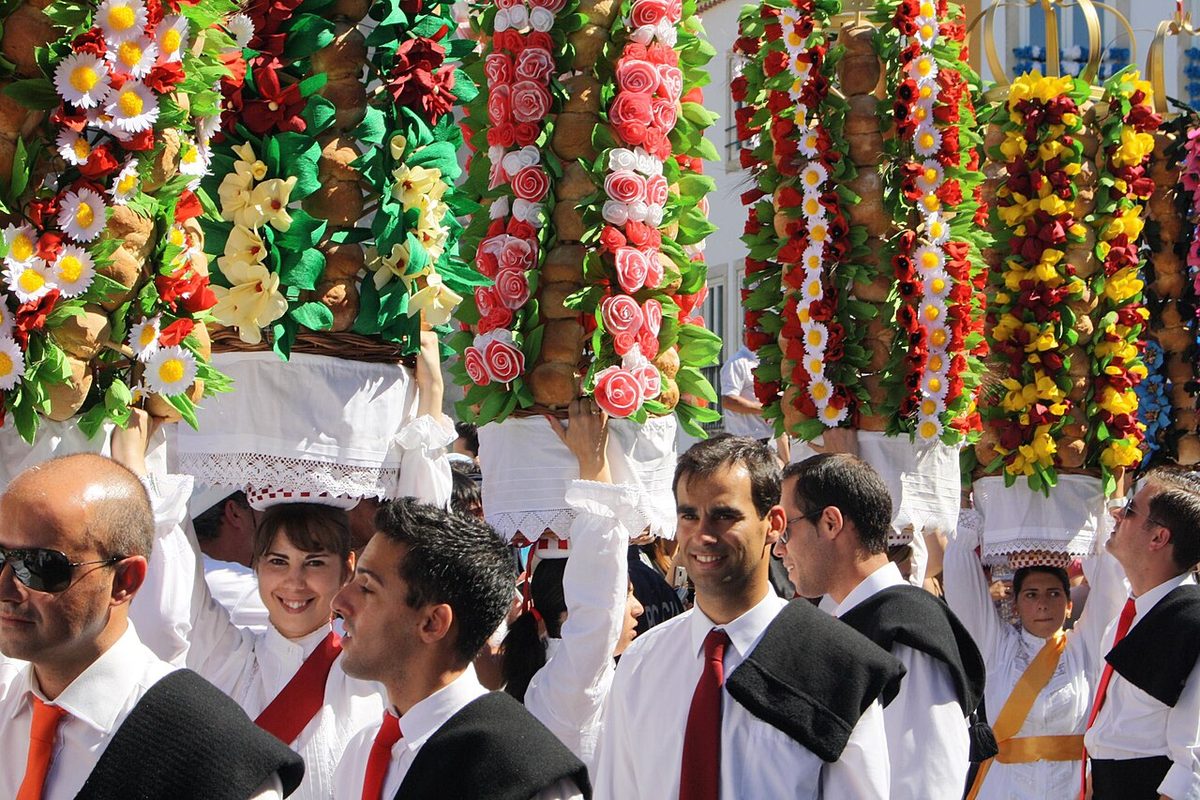
Most lists of Portugal festivals are a row of photogenic names (Santo António, São João, Carnival, the Flower Festival) with a paragraph each and no dates, no warnings and no sense of scale. That matters, because a Portuguese festival can make or break a trip. On the night of São João, Porto doesn’t sleep, and every hotel within miles is full. The week of Tomar’s Festa dos Tabuleiros, which happens only once every four years, sells out a year ahead. And on 13 May half of Portugal seems to be walking to Fátima. This calendar goes through the year month by month, with confirmed dates for 2027 where they’ve been announced, what each event is actually like, which are worth building a trip around, and which are better avoided unless you’re there for them.
The short answer: the unmissable Portuguese festivals are Santo António in Lisbon (the night of 12–13 June), São João in Porto (23–24 June), Tomar’s Festa dos Tabuleiros (3–12 July 2027, only every four years), Madeira’s Flower Festival (May) and New Year’s Eve fireworks, and Braga’s Holy Week. Book accommodation months ahead for any of them.
Portugal festivals at a glance: the big ten
| Festival | Where | When | Why go | Plan |
|---|---|---|---|---|
| Carnival | Torres Vedras, Loulé, Ovar, Podence, Funchal | February (4–10 Feb 2027 in Torres Vedras) | Satirical parades and ancient masked rituals | Book Torres Vedras early |
| Holy Week | Braga | The week before Easter (21–28 March 2027) | Candlelit night processions | Stay in Braga |
| Flower Festival | Funchal, Madeira | 29 April–30 May 2027; parades 2 and 16 May | Streets of flowers and floral floats | Book flights and hotels early |
| Fátima pilgrimages | Fátima | 12–13 May and 12–13 October | Faith on a vast scale | Avoid if you’re not a pilgrim |
| Santo António | Lisbon | The night of 12–13 June | Street parties, sardines, the neighbourhood marches | Stay central; expect noise |
| São João | Porto | The night of 23–24 June | An all-night party with plastic hammers and fireworks | Book months ahead |
| Festa dos Tabuleiros | Tomar | 3–12 July 2027 (every four years) | Towers of bread and flowers carried through town | Book a year ahead |
| Senhora da Agonia | Viana do Castelo | Around 20 August | Traditional costume, gold filigree, flower carpets | The best of the northern romarias |
| São Martinho | Everywhere | 11 November | Roast chestnuts and new wine | A small, lovely tradition |
| New Year’s Eve | Funchal, Madeira | 31 December | One of the world’s great firework displays | Book very early |
How Portugal celebrates
Portugal’s festival calendar has four layers. The first is Catholic: Holy Week, Corpus Christi, the pilgrimages to Fátima, and above all the festas and romarias, the feast days of patron saints that every town and village celebrates with a procession, a mass, a fair and a night of music and food. The second is the popular saints of June, Santo António, São João and São Pedro, whose feasts have become the country’s great street parties. The third is older and stranger: winter rituals in the remote north-east, where masked figures run through villages at Carnival and the New Year in traditions older than Christianity. The fourth is modern: music festivals, food fairs and medieval re-enactments that fill the summer.
For a visitor, the most important thing to know is scale. A village festa is a warm, open party that you’re welcome to join. The big city festivals, such as São João and Santo António, and the one-off events like the Tabuleiros, fill hotels and trains completely and change the character of a place for several days. Plan around them deliberately, either to be there or to avoid them.
January
New Year’s Day and the Janeiras
The year begins quietly after the fireworks. In the first days of January, groups sing the Janeiras, traditional carols sung door to door, in town squares and cafés, and in return they get food, drink or a few coins. It’s a tradition that has been revived by schools and local associations, and it’s charming if you come across it.
Festa das Fogaceiras, Santa Maria da Feira
On 20 January, girls in white carry tall, sweet fogaça loaves on their heads in procession in Santa Maria da Feira, in fulfilment of a vow made during a plague in the sixteenth century. It’s a small, local festival, and the town’s castle is a lovely backdrop.
The winter festivals of Trás-os-Montes
Around Christmas, New Year and Epiphany, villages in the north-east hold the Festas dos Rapazes (“festivals of the boys”), in which young men in masks and fringed costumes run through the streets, ring cowbells, and tease and chase the villagers. These are rites of passage with pre-Christian roots, and they’re some of the most extraordinary traditions in Europe. They’re hard to reach without a car and local knowledge, so ask the tourist office in Bragança.
February
Carnival
Portugal’s Carnival falls in the days before Lent, with Shrove Tuesday on 9 February in 2027. It isn’t a public holiday by law, but many people get the day off, and the country has several very different carnivals.
- Torres Vedras, north of Lisbon, bills itself as “the most Portuguese carnival in Portugal”: satirical, political, homemade and very funny, with men dressed as matrafonas (a parody of women) and giant floats mocking politicians. The 2027 edition runs from 4 to 10 February, and the organisers have said that 2026 tickets remain valid for it.
- Loulé, in the Algarve, has one of the oldest carnival parades in the country, with floats and a mild February sun.
- Ovar, south of Porto, has big, colourful parades with a samba flavour.
- Podence, a village in Trás-os-Montes, has the Caretos: men in masks and brightly coloured fringed suits hung with cowbells, who run through the village “attacking” girls and women with their bells. It’s an ancient ritual, recognised by UNESCO as intangible cultural heritage in 2019.
- Funchal, Madeira, has a large carnival parade through the city centre.
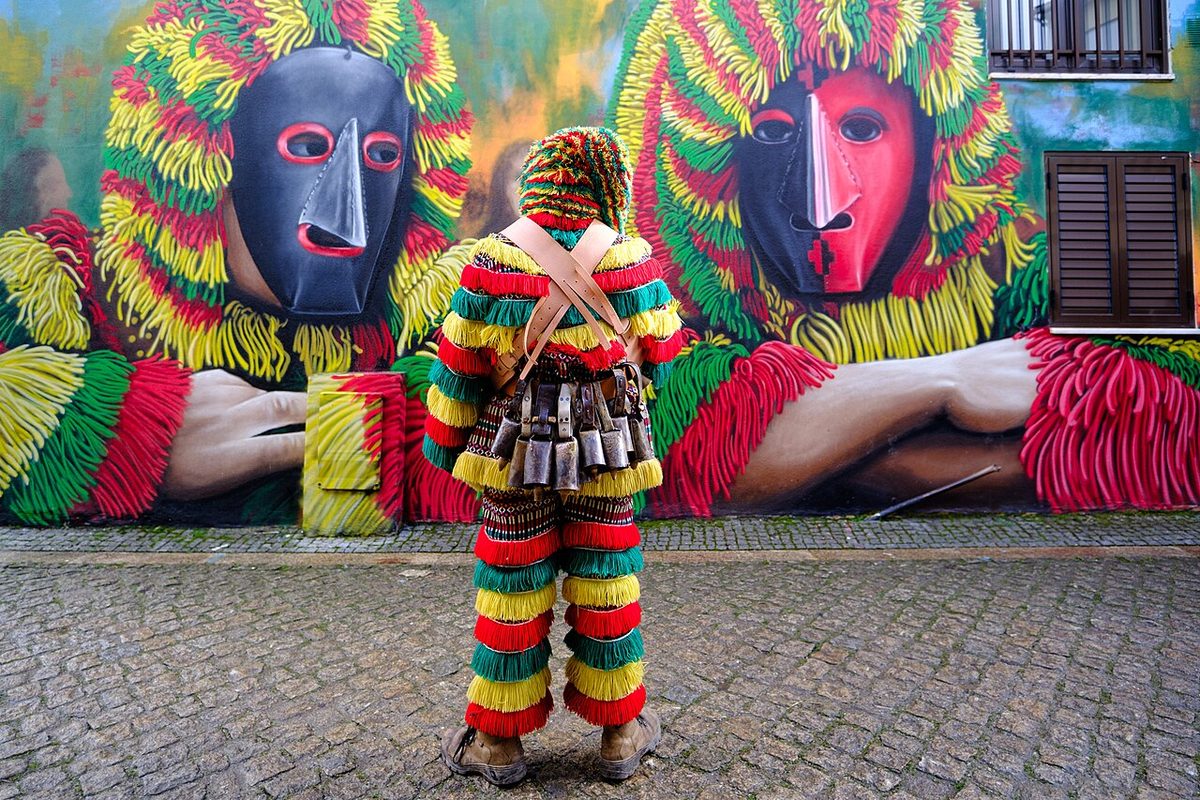
Verdict: Torres Vedras for fun, Podence for something truly unusual, and Madeira if you want Carnival with sunshine.
March
Óbidos International Chocolate Festival
For a couple of weeks each spring, the walled town of Óbidos fills with chocolate stalls, sculptures and workshops. In 2026 it ran from 6 to 22 March. It’s hugely popular with Portuguese families and very busy at weekends, so go midweek.
Holy Week
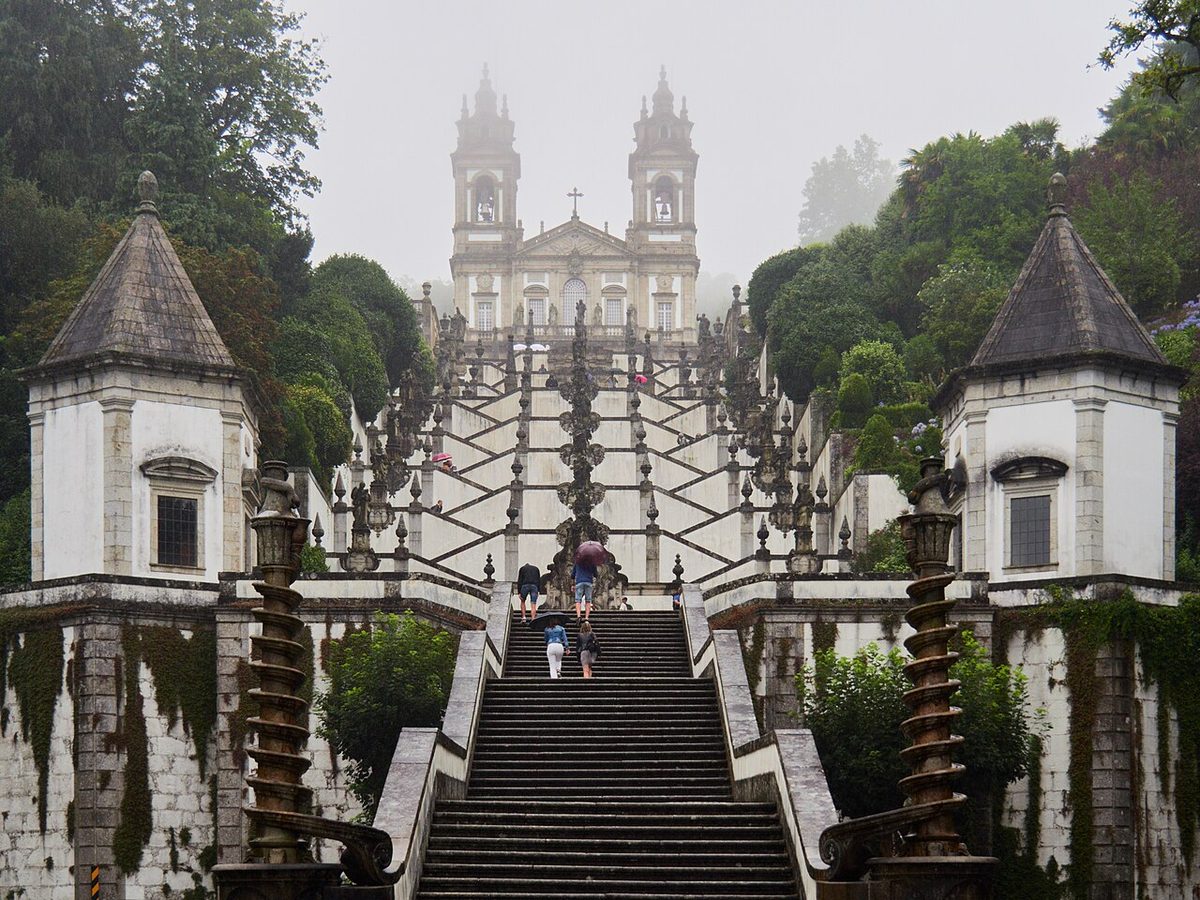
In 2027, Easter falls on 28 March, so Holy Week runs from 21 to 28 March. The most famous celebrations are in Braga, Portugal’s religious capital. Its streets are decorated and lit, and on the evenings of Holy Week great processions pass through the city, including one led by the farricocos, hooded, barefoot penitents carrying rattles and torches. It’s solemn, theatrical and very moving, even for non-believers. Stay in Braga to see the night processions. Our guide to day trips from Porto covers the city.
Tomar’s Tabuleiros begin
In a Tabuleiros year, the festival’s preparations start at Easter: in 2027 the first procession of the Holy Spirit crowns and banners is on 28 March, three months before the main event in July.
April
Freedom Day, 25 April
The anniversary of the 1974 Carnation Revolution, which ended nearly half a century of dictatorship, is a national holiday. In Lisbon a parade comes down the Avenida da Liberdade, with people carrying red carnations, the symbol of the revolution. It’s a warm, political, emotional day. Museums and many shops close, and the atmosphere in Lisbon’s squares is well worth experiencing.
Easter, when it falls in April
In years when Easter is in April, Holy Week processions, Easter markets and the traditional sweet bread, folar, fill the month. Many families travel at Easter, so book coastal accommodation early.
Madeira’s Flower Festival opens
In 2027 Madeira’s Flower Festival starts on 29 April and runs into May (see below).
May
Madeira Flower Festival
The Festa da Flor celebrates spring in Funchal with flower carpets, displays and parades of floral floats and dancers in costume. In 2027 it runs from 29 April to 30 May. On 1 May, children build the “Wall of Hope” (Muro da Esperança) from flowers they bring to the city’s main square, and the main parades are on 2 and 16 May. It’s one of the loveliest times to visit the island, and flights and hotels book up. See our Madeira travel guide.
Fátima, 12–13 May
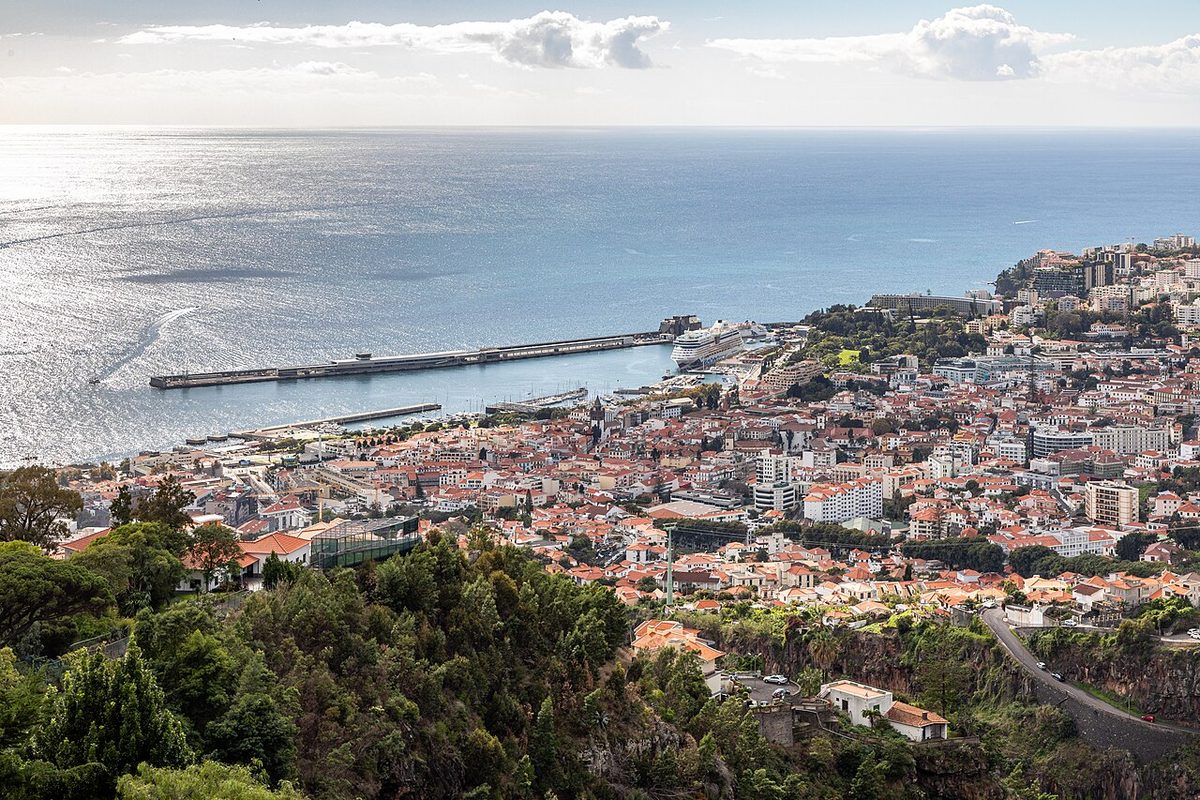
The anniversary of the first apparition reported at Fátima in 1917 brings hundreds of thousands of pilgrims. Many walk for days along Portugal’s main roads, in reflective vests, to reach it. On the night of 12 May, a candlelit procession fills the sanctuary’s vast esplanade, and on the 13th a mass ends with the farewell to the statue of the Virgin, when the crowd waves white handkerchiefs. For believers it’s the heart of the year. For others it’s an extraordinary sight, but roads and hotels for miles around are full. See our Central Portugal guide.
Festa das Cruzes, Barcelos
Around the beginning of May, Barcelos in the Minho holds the Festa das Cruzes, one of the first big romarias of the year, with flower carpets, processions, fireworks and a huge fair. The town’s weekly Thursday market, one of the largest in Portugal, is famous for its pottery, including the painted Barcelos cockerel.
Queima das Fitas, Coimbra and Porto
In May, university students celebrate the end of the academic year with the Queima das Fitas (“burning of the ribbons”): a week of parades of decorated floats, concerts and a great deal of drinking. It’s biggest in Coimbra, where it’s a genuine tradition, and in Porto. It’s fun if you’re young, and noisy if you’re not.
Senhor Santo Cristo dos Milagres, Ponta Delgada
The largest religious festival in the Azores is held in Ponta Delgada, on São Miguel, on the fifth Sunday after Easter, which is 2 May in 2027. The city is decorated with lights and flowers, and emigrants from North America fly home for the procession of the image of Christ through streets carpeted with flowers. See our São Miguel guide.
The Holy Spirit festivals in the Azores
From Pentecost (16 May in 2027) through the summer, the Azores hold Espírito Santo festivals, a tradition going back centuries in which communities crown an “emperor”, parade the Holy Spirit’s crown, and share free bowls of the Holy Spirit soup, sopas do Espírito Santo, with everyone, visitors included. They’re one of the most distinctive and generous traditions in Portugal. See our Azores guide.
June: the month of the popular saints
June is Portugal’s party month. The feasts of the three “popular saints”, António, João and Pedro, turn whole cities into street parties with grilled sardines, pots of basil, arches of paper decorations, music and dancing until dawn. Two public holidays fall in June too: Portugal Day on 10 June, and Corpus Christi, which moves with Easter (27 May in 2027).
Santo António, Lisbon: the night of 12–13 June
Saint Anthony was born in Lisbon (though he’s known as Anthony of Padua, where he died), and 13 June, his feast day, is Lisbon’s municipal holiday. The whole of June is the Festas de Lisboa, but the night of 12 June is the climax. The old neighbourhoods, Alfama, Mouraria, Bica, Graça and Madragoa, fill with stalls grilling sardines on bread, plastic cups of beer and sangria, arraiais (street parties) with music, and crowds that don’t go home until morning. Lovers give each other a manjerico, a pot of basil with a paper carnation and a short love poem. On the evening of the 12th, the Marchas Populares, the neighbourhood marching groups in elaborate costumes, compete in a parade down the Avenida da Liberdade, after months of rehearsal. The city also hosts the “Santo António weddings”, a mass civil and religious wedding for couples of modest means, on the saint’s day.
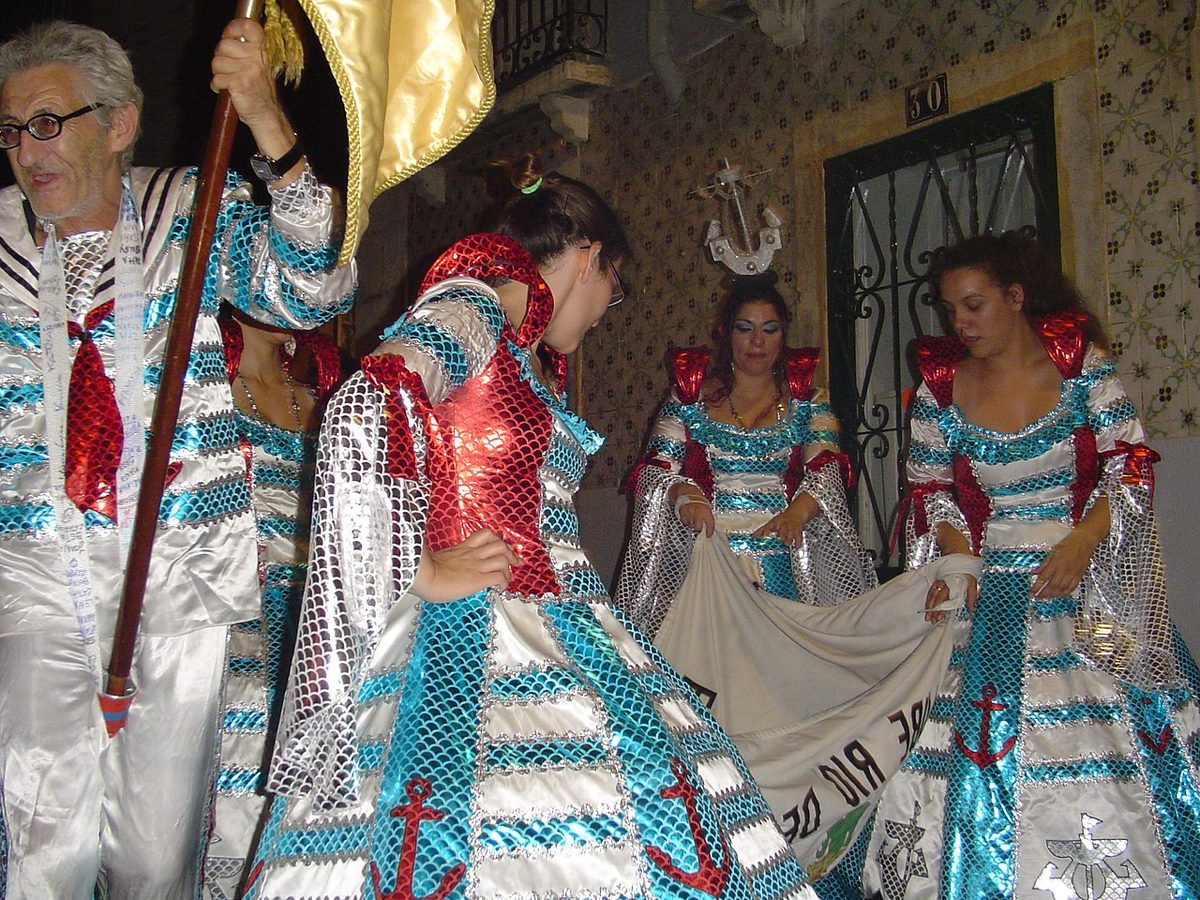
Verdict: one of the best nights in Europe. Stay somewhere you can walk home from, keep an eye on your bag in the crowds, and don’t expect sleep if your hotel is in Alfama. Our Lisbon guide covers the neighbourhoods.
São João, Porto: the night of 23–24 June
If Santo António is Lisbon’s party, São João is Porto’s, and it’s even wilder. On the night of 23 June the whole city comes out. People hit each other on the head with plastic hammers (the older tradition used leeks, and some still do), launch paper hot-air lanterns into the sky, eat grilled sardines and roast pork, and dance in the streets. At midnight a big firework display lights up the Douro between the bridges, and then the crowds head for the beaches at Foz to wait for the dawn. It’s good-natured, chaotic and one of the great nights of the European summer, and 24 June is the city’s holiday, so nobody needs to be up early.
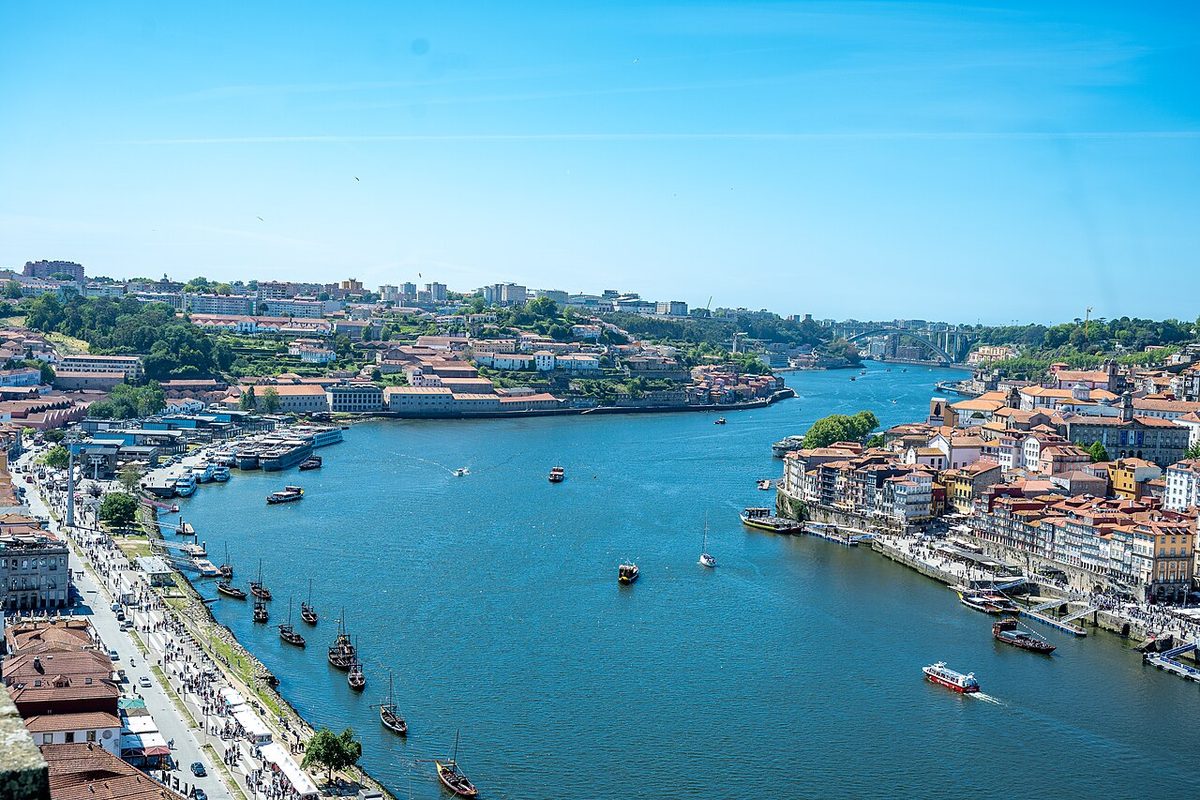
Verdict: the best street party in Portugal. Book accommodation months in advance, since the city fills completely, and keep valuables to a minimum. See our Porto travel guide.
São Pedro, 29 June
Saint Peter’s feast closes the June festivities, with celebrations in Póvoa de Varzim, Sintra’s São Pedro fair, and fishing towns up and down the coast. It’s the most local of the three.
The Sanjoaninas, Angra do Heroísmo
In the Azores, the city of Angra do Heroísmo, on Terceira, holds its Sanjoaninas in June around São João, with parades, concerts and the island’s tradition of tourada à corda, “rope bullfighting”, in which a bull on a long rope is let loose in the streets and young men try to get close to it. The bull isn’t killed, but it’s not for everyone.
Music festivals in June
June also brings big music festivals: Primavera Sound in Porto’s city park, and Rock in Rio Lisboa, which is held in Lisbon in even-numbered years. Madeira’s Atlantic Festival fills June’s Saturday nights with firework displays over Funchal’s bay.
July
Festa dos Tabuleiros, Tomar: 3–12 July 2027
Held once every four years, the Festa dos Tabuleiros is one of the most spectacular festivals in Portugal. Its roots lie in medieval celebrations of the Holy Spirit, associated with Queen Isabel. The highlight is the great procession in which hundreds of girls and women in white, each accompanied by a partner, carry on their heads a tabuleiro: a tower of loaves of bread, traditionally as tall as the woman carrying it, decorated with paper flowers and crowned with a dove or a cross. The streets are decorated with paper flowers, and the festival ends with the distribution of bread and meat, the pêza, to the townspeople. The 2027 edition runs from 3 to 12 July. Accommodation in Tomar and the surrounding towns books up very early, so book now if you want to go. See our castles guide for Tomar’s Convent of Christ.
NOS Alive, Cool Jazz and Marés Vivas
July is the main month for music festivals. NOS Alive at Algés, on the riverside west of Lisbon, is Portugal’s biggest rock and pop festival. EDP Cool Jazz in Cascais brings jazz and soul to the gardens of the town, and MEO Marés Vivas in Vila Nova de Gaia has international and Portuguese acts in mid-July. The Estoril coast also hosts a long-running classical music festival across July and August.
Festival Músicas do Mundo, Sines
In late July, Sines and Porto Covo on the Alentejo coast host one of Europe’s best world-music festivals, with concerts in Sines castle and on the beach. It has a relaxed, family-friendly atmosphere. See our Alentejo guide.
Medieval markets
Óbidos holds its medieval market in July, and Santa Maria da Feira’s Viagem Medieval, one of the largest medieval festivals in Europe, begins in late July and runs into August. Expect costumed markets, jousting, banquets and falconry.
August
Romaria de Nossa Senhora da Agonia, Viana do Castelo
The greatest of the northern romarias is held around 20 August in Viana do Castelo. Its streets are carpeted with flowers and coloured salt, the procession goes down to the sea to bless the fishing fleet, and the women’s parade shows off the Minho’s traditional costumes, in red and black embroidered wool, with astonishing quantities of gold filigree jewellery handed down through families. Folk dancing and fireworks over the Lima river complete the week. Verdict: the best introduction to northern Portugal’s festive traditions.
Festas Gualterianas, Guimarães
On the first weekend of August, Guimarães celebrates São Gualter with parades, fireworks and a big fair. It’s a good excuse to visit the city where Portugal began.
Feira de São Mateus, Viseu
From mid-August to mid-September, Viseu hosts one of the oldest fairs in Portugal, dating back to the fourteenth century, with concerts, food stalls and funfair rides.
Music festivals in August
MEO Sudoeste fills the clifftop village of Zambujeira do Mar with tens of thousands of young festival-goers, and Paredes de Coura, in a green valley in the Minho, is a favourite of indie music fans. If you want Zambujeira quiet, avoid the Sudoeste week.
Food, fish and the islands
The Algarve’s fishing town of Olhão holds a big seafood festival in August, and Silves has a medieval fair at its red castle. In the Azores, Semana do Mar in Horta, on Faial, celebrates the sea with regattas and concerts. Madeira’s Wine Festival begins in late August, with grape-treading and harvest traditions. 15 August, the Assumption, is a national holiday, and it’s the busiest day of the summer on the coast.
September
The grape harvest
September is harvest month, the vindima, in the Douro, the Alentejo and the other wine regions, and many estates welcome visitors to join the picking and the treading of the grapes in stone lagares. It’s the best month to visit the Douro Valley.
Nossa Senhora dos Remédios, Lamego
From late August into early September, Lamego holds one of Portugal’s biggest romarias, centred on its Baroque sanctuary at the top of a monumental stairway. Pilgrims climb its hundreds of steps, some on their knees, and the procession includes ox-drawn floats, a rare sight.
Festa do Avante and the Columbus Festival
In early September, the Portuguese Communist Party’s Festa do Avante! in Seixal, across the river from Lisbon, is a huge festival of music, food and politics. It’s an institution, whatever your politics. In the Madeira archipelago, Porto Santo holds the Columbus Festival, recalling the explorer’s years on the island, with a re-enactment of his arrival.
October
Fátima, 12–13 October
The anniversary of the last apparition reported in 1917 brings the second great pilgrimage of the year, with the same candlelit procession and farewell. As in May, avoid the area on these dates unless you’re joining it.
Republic Day, 5 October
The anniversary of the proclamation of the Republic in 1910 is a national holiday, marked with official ceremonies in Lisbon.
Nazaré’s big-wave season
Not a festival, but a seasonal spectacle: from October to March, big Atlantic swells can produce the largest surfed waves in the world at Nazaré’s Praia do Norte, and a professional tow-surfing contest is called when conditions are right. See our Central Portugal guide for how to watch.
November
All Saints’ Day and Pão por Deus
1 November is a public holiday when families visit cemeteries. In many towns, children go door to door asking for pão por Deus, “bread for God’s sake”, and are given sweets, nuts and small cakes, an old tradition sometimes compared with Halloween.
São Martinho, 11 November
Saint Martin’s Day is celebrated with a magusto: roasted chestnuts, sold in paper cones from street braziers all over the country, and the first tastings of the year’s new wine and água-pé, a light drink made from the grape skins. In the Alentejo, the new vinho de talha, fermented in clay amphorae, is traditionally opened from this time. The weather often turns fine for a few days around this date, the “Summer of Saint Martin”.
The National Horse Fair, Golegã
Around São Martinho, the small Ribatejo town of Golegã hosts Portugal’s National Horse Fair, with Lusitano horses, riders in traditional dress and nights of festivity. It’s one of the most distinctive events in the Portuguese calendar, and far off the usual tourist trail.
December
Christmas
The Portuguese Christmas centres on Christmas Eve, the consoada, when families gather for salt cod (bacalhau) with potatoes and cabbage, followed by midnight mass (the Missa do Galo) and presents. The bolo-rei, a ring-shaped cake studded with candied fruit, is eaten throughout the season. Lisbon and Porto are lit up for weeks, Óbidos becomes a Christmas village within its walls, and Funchal decorates its streets and holds a famous night market on 23 December. Two public holidays fall in December before Christmas: 1 December (Restoration of Independence) and 8 December (the Immaculate Conception).
New Year’s Eve
Portugal’s most famous New Year is in Madeira, where Funchal’s fireworks, launched from points all around the bay, have been recognised as one of the largest displays in the world. The city’s amphitheatre of hills becomes a grandstand, and cruise ships gather in the bay. Book accommodation and flights very early. In Lisbon, the big party is on the riverside Praça do Comércio, and in Porto on the Avenida dos Aliados. Wherever you are, eat twelve raisins at midnight, one for each wish for the year ahead.
Portugal’s public holidays
| Date | Holiday |
|---|---|
| 1 January | New Year’s Day |
| Carnival Tuesday (9 Feb 2027) | Not a statutory holiday, but widely observed |
| Good Friday (26 March 2027) | Good Friday |
| Easter Sunday (28 March 2027) | Easter |
| 25 April | Freedom Day |
| 1 May | Labour Day |
| Corpus Christi (27 May 2027) | Corpus Christi |
| 10 June | Portugal Day |
| 15 August | Assumption |
| 5 October | Republic Day |
| 1 November | All Saints’ Day |
| 1 December | Restoration of Independence |
| 8 December | Immaculate Conception |
| 25 December | Christmas Day |
Each municipality also has its own holiday, usually its patron saint’s day, including 13 June in Lisbon and 24 June in Porto. On public holidays, museums and monuments may close or keep Sunday hours, and trains and hotels get busier. For the best months to travel, see our best time to visit Portugal guide.
Festival practicalities
- Book early. For São João, Santo António, the Tabuleiros, Madeira’s New Year and the Flower Festival, book accommodation months ahead. Prices rise sharply on the big nights.
- Expect noise. June’s popular saints’ parties go on until dawn, especially in Lisbon’s Alfama and Mouraria and Porto’s Ribeira. Choose a hotel a little away from the action if you want to sleep.
- Watch your bag. The big street parties are safe and good-natured, but crowds attract pickpockets. Carry little and keep it in front of you.
- Use public transport. Roads close for parades and parking is impossible. Metro systems run late on the big nights.
- Respect the religious events. Processions, pilgrimages and Holy Week are acts of faith. Dress modestly in churches, keep a respectful distance and don’t block processions for photographs.
- Eat the food. Grilled sardines on bread in June, roast chestnuts in November, bolo-rei at Christmas, and the Holy Spirit soup in the Azores are part of the festival.
For more on what to eat through the year, see our Portuguese food guide.
Which festival for which traveller
| If you want… | Go to |
|---|---|
| The biggest street party | São João in Porto, 23–24 June |
| Lisbon at its most joyful | Santo António, 12–13 June |
| A once-in-four-years spectacle | The Festa dos Tabuleiros in Tomar, 3–12 July 2027 |
| Flowers and sunshine | Madeira’s Flower Festival, May |
| Solemn and beautiful | Holy Week in Braga |
| Something ancient and strange | The Caretos of Podence at Carnival |
| Traditional costume and gold | Senhora da Agonia in Viana do Castelo, August |
| Family-friendly | Madeira’s Flower Festival, the medieval festivals at Óbidos and Santa Maria da Feira, the Christmas village at Óbidos |
| Music | NOS Alive (July), Primavera Sound (June), Festival Músicas do Mundo in Sines (July) |
| Fireworks | New Year’s Eve in Funchal |
Travelling with children? Our guide to Portugal with kids covers the family side of these events.
Festival food, dish by dish
Every Portuguese festival has its food, and eating it is half the point.
- Sardinhas assadas: sardines grilled over charcoal, eaten on a slice of bread that soaks up the juices. The smell of June in Lisbon and Porto.
- Bifanas and febras: thin pork steaks in soft rolls, grilled at every stall.
- Caldo verde: kale and potato soup with a slice of chouriço, ladled from big pots late at night.
- Farturas: spirals of fried dough dusted with sugar and cinnamon, sold at every fair and romaria.
- Castanhas assadas: roast chestnuts from street braziers, sold in paper cones around São Martinho and through the winter.
- Bolo-rei and bolo-rainha: the Christmas ring cakes, with candied fruit (the king’s cake) or nuts and raisins (the queen’s).
- Filhós and sonhos: fried Christmas dough sweets, dusted with sugar.
- Folar: the Easter bread, sometimes baked with whole eggs or with chouriço inside, depending on the region.
- Arroz doce: creamy rice pudding with cinnamon, a fixture of festive tables.
- Sopas do Espírito Santo: the Azores’ Holy Spirit soup of beef, bread and mint, served free at the festivals.
For the rest of the national menu, see our guide to Portuguese food.
What festivals cost (checked September 2026)
| Item | Typical cost | Notes |
|---|---|---|
| Street parades, processions, romarias and arraiais | Free | Almost all traditional festivals are free to attend |
| A bifana from a festival stall | €3–4 | Sardines on bread are in the same range |
| Espresso at a café counter | €0.80–1.20 | Portugal-wide |
| Prato do dia lunch with a drink | €9–15 | Often a better deal than festival stalls |
| Hotels on the big nights | Sharply higher than usual | São João, Santo António, the Tabuleiros and Madeira’s New Year especially |
| Music festivals | Ticketed | Prices vary widely by festival and day |
| Grandstand seats for some parades | Ticketed | For example at the Torres Vedras Carnival |
The traditional festivals are among the best-value experiences in Portugal. The cost comes from accommodation, so book early or stay a short train ride away.
Village festas: how to join one
Between June and September, and especially in August, when emigrants come home from France, Switzerland, Luxembourg and further afield, almost every village and town in Portugal holds a festa for its patron saint. They follow a pattern. Rockets (foguetes) go up at dawn to announce the day. There’s a mass and then a procession, with statues of saints carried on decorated platforms, brass bands and villagers in their best clothes. In the evening an arraial takes over the square, with a stage, a band playing Portuguese popular music, grilled food, beer and dancing that goes on late into the night. Children run everywhere, grandparents dance, and visitors are welcome.
You’ll find them by chance, from posters on walls and lampposts, and from the town council’s events page. If you see one, stop. Buy a bifana, sit at a trestle table and watch the village dance. It’s one of the best ways to see rural Portugal as it really is, and it’s the part of Portuguese festival life that no list of famous festivals quite captures.
Festivals by region
| Region | Highlights |
|---|---|
| Porto and the north | São João (June), Braga’s Holy Week, Senhora da Agonia in Viana do Castelo (August), Festas Gualterianas in Guimarães (August), the Festa das Cruzes in Barcelos (May), Nossa Senhora dos Remédios in Lamego (early September), the Caretos of Podence (Carnival) |
| Central Portugal | Festa dos Tabuleiros in Tomar (July 2027), Fátima (May and October), Queima das Fitas in Coimbra (May), the medieval festivals in Óbidos and Santa Maria da Feira (summer), Óbidos’s Christmas village, the horse fair at Golegã (November) |
| Lisbon and around | Santo António (June), Freedom Day (25 April), NOS Alive and Cool Jazz (July), Festa do Avante (September), New Year on the Praça do Comércio |
| The Alentejo | Festival Músicas do Mundo in Sines (July), MEO Sudoeste in Zambujeira do Mar (August), Évora’s Feira de São João (June), the new talha wine from São Martinho (November) |
| The Algarve | Loulé Carnival (February), Olhão’s seafood festival (August), Silves’s medieval fair (August) |
| Madeira | Carnival, the Flower Festival (May), the Atlantic Festival (June), the Wine Festival (late summer), New Year’s Eve fireworks |
| The Azores | Senhor Santo Cristo in Ponta Delgada (May), the Holy Spirit festivals (from Pentecost), the Sanjoaninas in Angra (June), Semana do Mar in Horta (August) |
Planning a trip around a festival: three examples
The June saints: Lisbon and Porto in one trip
Santo António in Lisbon (the night of 12–13 June) and São João in Porto (the night of 23–24 June) are eleven days apart, which makes a perfect June trip: arrive in Lisbon for the Marchas and the Alfama parties, spend a week between Sintra, the coast and central Portugal, then head north via the monasteries and Coimbra to Porto for São João, and finish in the Douro Valley. Book both cities’ accommodation well ahead, and choose hotels just outside the party districts if you want sleep. Our Portugal itinerary planner can fill in the days between.
The Tabuleiros in 2027
For Tomar’s Festa dos Tabuleiros (3–12 July 2027), base yourself in Tomar or nearby towns such as Torres Novas or Abrantes, or in Coimbra or Leiria with a car. Book as early as you can. Time your visit for the great procession, check the organisers’ programme for its date, and combine it with the Convent of Christ, the Templar castle at Almourol and the monasteries of Batalha and Alcobaça.
Madeira in May
Madeira’s Flower Festival (29 April–30 May 2027) coincides with one of the island’s best walking seasons, so pair the parades in Funchal with a few days on the levadas. Book your trail slots on the regional government’s SIMplifica portal before you fly, and your hotel early, since the parade weekends are busy.
What to skip, and what’s overrated
Fátima on 13 May or 13 October if you’re not a pilgrim. The crowds are vast and the roads and hotels full for miles. Visit on any other day.
Staying in Alfama on the night of Santo António if you want to sleep. The party is outside your window until dawn. It’s wonderful to be in and terrible to be above.
Paying festival prices without checking the calendar. Travellers are often surprised to find their Porto hotel costs triple on 23 June or their Tomar trip coincides with the Tabuleiros. Check before you book, whether you want the festival or not.
The big music festivals for a first trip to Portugal. They’re great events, but they could be anywhere. For a first visit, the traditional festivals show you far more of the country.
Rope bullfighting and bullfights, if they’re not your thing. Portugal’s bullfighting traditions, including the Azorean tourada à corda, are part of some festivals. If you’d rather not see them, check the programme and skip those events.
Driving to a festival. Roads close, parking vanishes and traffic jams last for hours. Take the train, the metro or a bus.
Frequently asked questions
What is the biggest festival in Portugal?
The June festivals of the popular saints are the biggest: Santo António in Lisbon on the night of 12–13 June and São João in Porto on the night of 23–24 June, when whole cities celebrate in the streets. The Fátima pilgrimages of 12–13 May and 12–13 October draw the largest crowds for a religious event.
When is São João in Porto?
The main night is 23 June, into the early hours of 24 June, which is Porto’s municipal holiday. The fireworks over the Douro are at midnight.
When is Santo António in Lisbon?
The main night is 12 June, with the Marchas Populares parade on the Avenida da Liberdade and street parties in the old neighbourhoods until dawn. 13 June, Saint Anthony’s day, is Lisbon’s municipal holiday.
When is the next Festa dos Tabuleiros in Tomar?
From 3 to 12 July 2027. It’s held once every four years, and its preliminary ceremonies begin on 28 March 2027.
When is the Madeira Flower Festival in 2027?
From 29 April to 30 May 2027, with the children’s Wall of Hope on 1 May and the main parades on 2 and 16 May.
When is Carnival in Portugal?
In the days before Lent. In 2027, Shrove Tuesday is 9 February, and Torres Vedras’s carnival runs from 4 to 10 February. Loulé, Ovar, Podence and Funchal hold major celebrations too.
What is the best festival in Portugal for families?
Madeira’s Flower Festival, with its flower carpets and the children’s Wall of Hope, and the medieval festivals at Óbidos and Santa Maria da Feira. The Christmas village at Óbidos is also great with children.
What are Portugal’s public holidays?
1 January, Good Friday, Easter, 25 April, 1 May, Corpus Christi, 10 June, 15 August, 5 October, 1 November, 1 December, 8 December and 25 December, plus a municipal holiday in each town, such as 13 June in Lisbon and 24 June in Porto.
Where is the best New Year’s Eve in Portugal?
Funchal, in Madeira, whose fireworks around the bay are one of the largest displays in the world. Lisbon’s Praça do Comércio and Porto’s Avenida dos Aliados host big free parties too.
Do I need to book accommodation for Portuguese festivals?
Yes, for the big ones. São João, Santo António, the Tabuleiros, Madeira’s New Year and the Flower Festival fill hotels months ahead, and prices rise sharply. Village festas don’t usually need planning.
What is a romaria?
A romaria is a traditional religious festival and pilgrimage in honour of a saint or the Virgin, usually at a hilltop chapel or sanctuary, especially in the north. It combines a mass and procession with a fair, music, dancing, food stalls and fireworks. The best known include Senhora da Agonia in Viana do Castelo and Nossa Senhora dos Remédios in Lamego.
What are the Marchas Populares?
They’re Lisbon’s neighbourhood marching groups, which rehearse for months and compete in costume, with music and choreography, in a parade down the Avenida da Liberdade on the evening of 12 June, the eve of Santo António. Each group represents an old quarter of the city, such as Alfama, Mouraria or Bica.
Is there a festival in Portugal every month?
Almost. Carnival fills February, Holy Week and Easter fall in March or April, May has Fátima and Madeira’s Flower Festival, June has the popular saints, July and August are packed with music festivals and village festas, September has the harvest, October the second Fátima pilgrimage, November São Martinho, and December Christmas and New Year.
Are Portuguese festivals safe?
Yes. The big street parties are crowded but good-natured, and violence is rare. The main risk is pickpocketing in dense crowds, so carry little, keep your bag in front of you and agree a meeting point with your group. Take care with fireworks and hot braziers, and with children in very crowded streets.
If your interest is the music festivals and the all-night street parties rather than the processions, our guide to nightlife in Portugal has a summer calendar from Primavera Sound and NOS Alive to MEO Sudoeste and Paredes de Coura, plus how to survive Santo António and São João.
Where to go next
- The best things to do in Portugal all year round
- Portugal travel tips before you go
Photo credits
- Tabuleiros carried in procession at Tomar (featured image) — Jornal Cidade de Tomar, CC BY-SA 4.0, via Wikimedia Commons
- A careto in Podence — Afsalgado, CC BY-SA 4.0, via Wikimedia Commons
- Marchas Populares de Lisboa — Béria Lima de Rodríguez, CC BY-SA 3.0, via Wikimedia Commons
Dates for 2027 confirmed in September 2026 with the organisers of the Festa dos Tabuleiros, the Madeira Flower Festival and the Torres Vedras Carnival; movable feasts are calculated from Easter (28 March 2027). Other dates follow the traditional calendar and can shift, so check with organisers before you travel. Last updated: September 2026.