
Most Portugal travel tips lists are the same twenty generic lines rewritten with different stock photos: drink the wine, try the pastéis, bring comfortable shoes. Genuinely useful Portugal travel tips are the ones that would have changed a real decision — the ones about a 2026 border rule that didn’t exist two years ago, a restaurant custom that looks like a scam until you understand it, or a train ticket that becomes worthless without a seat reservation. Those specifics are what separate a tip that saves a real afternoon from one that just fills space between the stock photos. This guide runs to fifty, grouped so you can skip to what you actually need, with the news-worthy 2026 changes (EES, the coming ETIAS fee) covered properly rather than buried in tip forty-one.
The short version, if you read nothing else: book train seats and popular attraction tickets in advance, decline the restaurant couvert if you don’t want it rather than assuming it’s a scam, carry a physical or backup payment method alongside your main card, and expect EU border processing to include biometric registration under the EES system now that it’s fully live. Everything below fills in the how and why, grouped into documents and packing, money, transport, planning, language, culture, health and safety, and everyday practicalities — jump to whichever section actually matters for the trip you’re planning rather than reading all fifty in order.
Portugal travel tips: the ten that matter most
If you only take ten Portugal travel tips from this whole guide, take these: check your passport has three months’ validity past your return date; expect EES biometric registration at the border now that it’s fully live; book Alfa Pendular and Intercidades train seats ahead, since reservations are compulsory; book Sintra’s Pena Palace on the official site, not a reseller; decline the couvert before eating from it if you don’t want to pay for it; always pay card transactions in euros, never your home currency; carry some cash for small rural towns; don’t drive into old-town centres; pack for layers and cobblestones rather than one forecast; and build a slower itinerary with fewer stops than feels intuitive on a first pass. None of these ten are complicated or expensive to act on — they’re simply the ten most common places a first-time visitor’s plan quietly goes wrong. Everything below expands on the reasoning and the exceptions.
What to pack: a realistic checklist
A generic global packing list misses the details specific to Portugal’s climate and infrastructure. The table below covers what actually differs from a standard European trip checklist.
| Category | What’s genuinely Portugal-specific |
|---|---|
| Documents | Passport with 3+ months’ validity past departure; printed or app copies of train and attraction bookings, since seat reservations are compulsory on the fastest trains |
| Electronics | One universal Type F adapter rather than country-specific ones; an eSIM or data plan activated before landing |
| Footwear | Shoes with real grip and support for calçada cobblestones, which are slippery when wet and harder underfoot than they look in photos |
| Clothing | A packable rain layer if Porto, the north or the Douro is on the itinerary, regardless of season; a light scarf or wrap for church and monastery visits; layers for cool evenings even in summer |
| Health | A basic first-aid kit is optional given how accessible farmácias are; an EHIC/GHIC card for EU visitors; any regular prescription medication in original packaging with a copy of the prescription, particularly for any controlled or less common medication that a Portuguese pharmacy might need to verify before dispensing an equivalent |
| Money | A card with no foreign-transaction fee if you have one; a modest amount of cash for rural, cash-only cafés and shops |
Before you go: documents, money and packing
1. Check your passport validity properly
Portugal follows the Schengen rule most non-EU visitors underestimate: your passport needs at least three months’ validity beyond your planned departure date, not just validity through your trip. Renewal processing times spike well before summer, so check this the moment you book flights, not the week before you fly — a passport office appointment booked in April for a June trip is a genuinely common story of a trip nearly derailed by a date, not a document that was actually expired.
2. Understand EES before you land
The EU’s Entry/Exit System began phased rollout in October 2025 and reached full operation in April 2026, meaning most non-EU arrivals now register biometric data (fingerprints and a photo) at the border on their first Schengen entry, replacing the old passport stamp. Build a little extra time into your first airport transfer for this — it’s a new step in the queue, not a reason to worry, and subsequent entries during the same trip or a later one are generally faster once your biometric data is already on file.
3. Know that ETIAS is coming, but isn’t required yet
ETIAS, a separate pre-travel authorisation for visa-exempt visitors, is expected to launch in the last quarter of 2026, with the exact date announced at least six months ahead. It isn’t required as of this guide’s last update. Check your own government’s official travel advice for the current requirement rather than a commercial “ETIAS visa service” site, several of which charge a large markup for a form you can file yourself for free once it launches. Bookmark your own country’s official foreign-travel advice page instead, and treat any site asking for payment before ETIAS has even opened for applications as a red flag on its own.
4. Buy travel insurance before you leave home
It’s not a legal requirement for most nationalities, but the cost is small next to what a missed connection or a hospital visit would otherwise run — see our Portugal trip cost guide for how it fits into an overall budget.
5. Pack for layers, not for one season
Lisbon and the Algarve coast can be genuinely hot at midday and noticeably cool once the sun drops, especially near the water; Porto and the north are wetter and cooler year-round than the south. A packable rain layer earns its space even in a July suitcase if Porto or the Douro is on the itinerary, and evenings on any coast can turn genuinely cool once the sun is down, regardless of how warm the afternoon felt.
6. Bring one universal adapter, not several single-country ones
Portugal uses the two-pin, round-pin Type F socket standard across continental Europe, at 230V. A single well-made universal travel adapter covers it along with the rest of a multi-country trip, and takes up less luggage space than country-specific ones bought individually, especially useful if your trip continues on to Spain, France or anywhere else on the continent afterward.
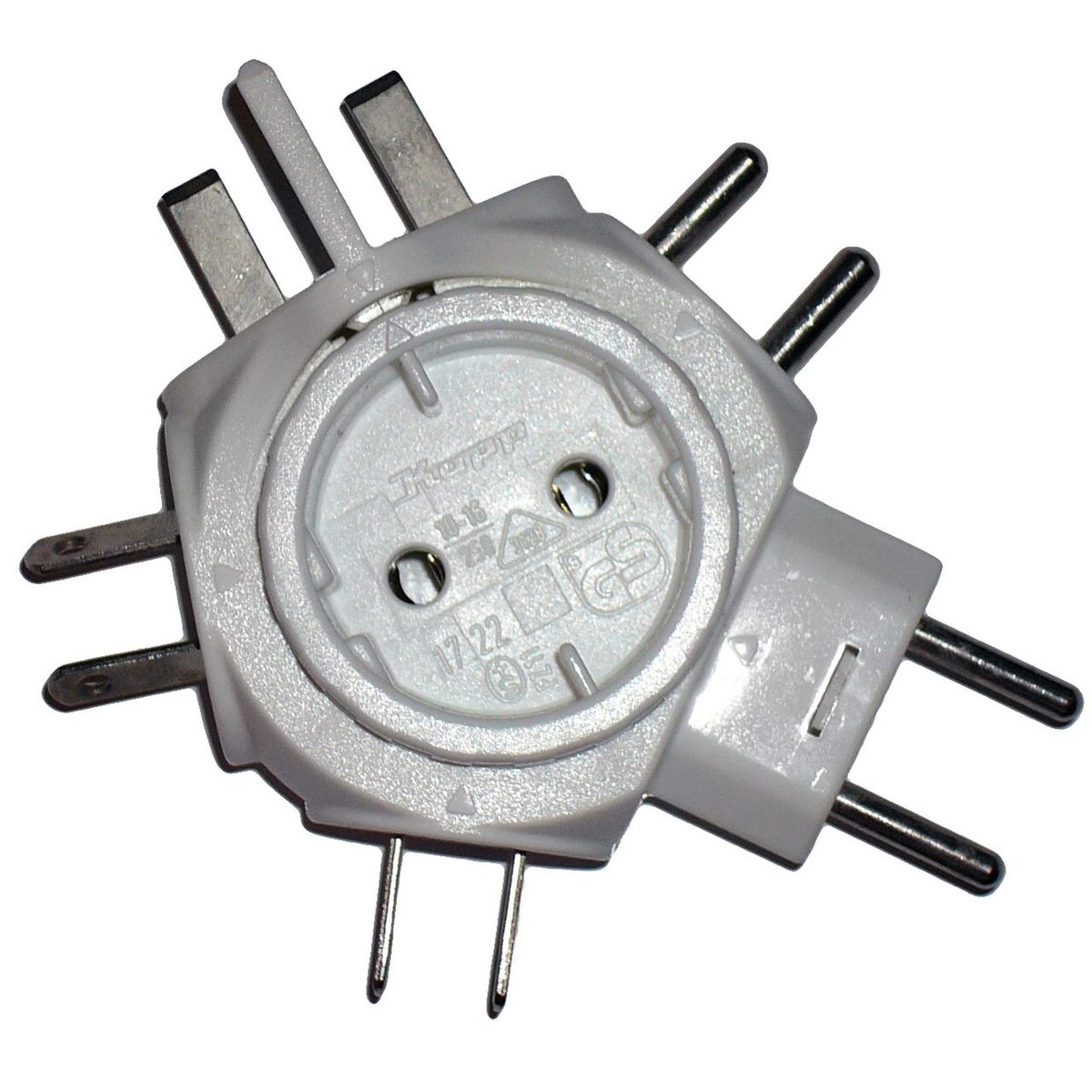
7. Get a local eSIM or data plan before you land
A week of prepaid mobile data runs roughly €10-20 through a local or eSIM provider, and having it active from the airport makes navigation, translation and booking apps work without hunting for café Wi-Fi on your first, most disoriented day.
None of these seven items are exotic, which is exactly why they get skipped — a passport date, a border process, an adapter shape, none of them dramatic enough on their own to make anyone’s shortlist of exciting trip preparation. The travellers who run into trouble on arrival day are rarely undone by something dramatic; it’s almost always one small, checkable thing left unchecked until it’s suddenly urgent at an airport counter.
Money: what surprises first-timers
8. The couvert isn’t a scam
That small unrequested plate of bread, olives or cheese at the start of a restaurant meal is a legal, standard Portuguese practice, priced at roughly €2-5. Decline it and send it back before eating anything from it if you don’t want to pay — arguing about it after eating from the plate is the actual faux pas, not the plate itself. It also, honestly, tends to be a good preview of the kitchen’s standards — a stale, uninspired couvert is a mild warning sign for the rest of the meal, and a fresh one is a good one.
9. Tipping is optional, not absent
There’s no American-style expected percentage. Rounding up a restaurant bill or leaving 5-10% for good service is appreciated; taxi fares are typically rounded up to the nearest euro rather than tipped as a fixed percentage. A service charge is essentially never added automatically to a bill the way it is in some countries, so what you see on the printed total is genuinely the total, plus whatever you choose to add.
10. Always choose to pay in euros, never your home currency
When a card terminal or ATM offers “dynamic currency conversion” — billing you in your home currency instead of euros — decline it every time. The exchange rate on that option is reliably worse than what your own bank will apply to a straightforward euro charge, even after any fee your own bank adds — the terminal’s prompt is designed to sound like a courtesy, and it’s the opposite of one.
11. Skip the airport currency exchange counter
A Multibanco ATM withdrawal or a no-foreign-fee card gets a meaningfully better rate than an airport kiosk’s “0% commission” exchange, which hides its markup inside the rate rather than a visible fee — the “no commission” claim is technically true and almost entirely beside the point.
12. Carry some cash for small, rural places
Cards and contactless are close to universal in cities, but small family-run cafés and shops in rural towns can still be cash-only. A modest amount of cash covers exactly those situations rather than the trip generally — enough for a coffee, a bus fare and a small purchase in a village with one shop, not enough to make losing it a real problem.
13. Budget the season, not just the country
Portugal runs cheaper than Spain, Italy or France on average, but a July-August coastal trip and a November interior trip aren’t the same budget at all, and a guide quoting a single daily figure is really describing one of those two trips, not both — see our full Portugal trip cost breakdown for tier-by-tier and region-by-region figures.
Taken together, these money habits save real amounts over a week-long trip without changing anything about the trip itself — the same hotels, the same restaurants, the same sights, just paid for a little more carefully. That’s a genuinely different category of saving from cutting the itinerary down, and it’s the one most visitors leave entirely on the table.
Getting around: trains, driving and cities
14. Book Alfa Pendular and Intercidades seats in advance
Seat reservations are compulsory on Portugal’s two fastest train tiers — a ticket without an assigned seat and coach number isn’t valid on its own. Advance promotional fares, released up to 60 days ahead, also run far below the standard fare and sell out, so a traveller who books a fixed date well ahead can genuinely halve the cost of the exact same journey booked at the counter the day before.
15. Don’t default to a hire car for a Lisbon-and-Porto trip
Both cities are well served by train, and a car adds parking cost and stress in old-town streets built centuries before cars existed. Our getting around Portugal guide breaks down exactly when a car earns its cost and when it doesn’t — as a rule of thumb, pick a car up only for the regional legs the railway doesn’t reach, rather than carrying a rental through two city stays it does nothing for.
16. Confirm your hire car’s toll transponder is active before you leave the depot
The Algarve’s A22 has been toll-free since January 2025, along with the A23, A24, A25 and the A4 Marão tunnel, so that particular worry is gone. The motorways that do still charge, the A1 and A2 among them, are electronic-only in places with no booths, and an unregistered rental gets billed for those tolls with an added administration fee, so ask at pickup rather than after the first invoice, and get the answer in writing on the rental agreement rather than a verbal assurance at the counter.
17. Don’t drive into old-town centres
Lisbon’s Alfama, Porto’s Ribeira and most Algarve old towns have narrow, one-way, cobbled streets a first-time visitor should avoid entirely. Park on the edge and walk in — most old towns have a paid car park within a few minutes’ walk of the centre, and it costs far less than the stress, and occasional damage, of reversing a rental out of a lane built for handcarts.
18. Pack shoes for cobblestones, not just sightseeing
Portugal’s historic centres are paved in calçada, small hand-laid limestone cobbles that are beautiful, slippery when wet, and genuinely hard on unsupportive shoes over a full day of walking — a stylish but flat-soled sandal that’s fine for a flight is often the wrong choice for six hours on Lisbon’s hills.
19. Buy a Viva Viagem or Andante card on arrival
Lisbon and Porto’s rechargeable transit cards cover metro, tram and bus at roughly €1.50-2 a ride, cheaper than single paper tickets bought from a driver, and worth getting even for a short stay — reload it at any station machine with cash or card rather than buying a fresh paper ticket for every single ride.
The pattern across all six of these is the same: Portugal’s transport system rewards a small amount of upfront homework — a booked seat, an active transponder, a loaded transit card — and punishes showing up and figuring it out on the day with exactly the kind of friction (a queue, a fine, a wasted hour) that a first-timer remembers more than any museum.
How the regions actually differ, at a glance
A first-timer’s biggest planning question usually isn’t which sight to see but which region to trust for which kind of trip. The table below is deliberately blunt about it.
| Region | Best first-timer use | Watch out for |
|---|---|---|
| Lisbon | City break, food, day trips to Sintra and Cascais | Steep hills and cobbles; book Sintra ahead |
| Porto | Wine, riverside walks, the jumping-off point for the Douro | Wetter climate year-round; fewer flat streets than Lisbon |
| The Algarve | Beaches, golf, family resort trips | Coastal towns run pricier and busier in August than the rest of the country |
| The Alentejo | Slow travel, wine, historic small towns, value | Needs a car; extreme summer heat inland |
| The north beyond Porto | Hiking, Peneda-Gerês, vinho verde country | Least English-speaking region outside Porto itself |
| Madeira | Hiking, subtropical scenery, year-round mild weather | Reached by flight only; book PR trail permits ahead |
| The Azores | Volcanic landscapes, whale watching, hiking | Weather changes fast; inter-island transport thins out in winter |
Planning: how much to actually try to see
20. Don’t try to combine the mainland and an island in one short trip
Madeira and the Azores are reached by flight only — about 1h45 and 2h25 from Lisbon respectively — and almost nobody sensibly combines a mainland stay with an island one inside a single short trip. Plan either archipelago as its own trip, ideally at least a week, rather than tacking three days of Madeira onto the end of a mainland itinerary that’s already full.
21. Book Sintra’s Pena Palace timed entry ahead, at the official site
Tickets are timed to a date and slot on the official Parques de Sintra site, and prices there (from €12 for the park, up to €45 for palace and park combined) differ from what several resellers still quote. Book direct, on the official site, and pick your entry slot as early in the day as your schedule allows — the queue for both the palace and the shuttle bus up from Sintra town builds fast from mid-morning onward.
22. Read a proper Portugal itinerary before booking flights
The country is smaller than it looks on a map, but the regions are more different from each other than a quick search suggests — a route built around what each region actually offers beats one built around headline city names alone — Lisbon and Porto share a language and a coastline but very little else in terms of pace, weather or what a day there actually looks like.
23. Check when to visit against what you actually want to do
Peak summer suits beach time and costs the most; May, June and September give up little weather for meaningfully thinner crowds and lower prices; winter suits Lisbon and the Algarve far better than Porto and the north, which run wet through the colder months. Match the season to the region rather than the region to the season — “when should I visit Portugal” only has a good answer once you know which part of the country the question is really about.
24. Plan fewer stops, not more
A common first-timer mistake is a itinerary with a new town every single night. Moving less and staying longer in fewer places consistently produces a better trip than a checklist of towns seen for two hours each — the travel time between stops, packing and unpacking, and simply arriving tired to a new bed every night all eat into the actual holiday more than a tight itinerary on paper ever shows.
This whole section is really one piece of advice stated five ways: Portugal isn’t as small as its map suggests once you account for how different each region actually feels, so the planning effort is better spent choosing which regions earn a proper stay than trying to touch all of them in a single trip.
Language: what actually helps
25. Learn five phrases, not fifty
“Bom dia” (good morning), “por favor” (please), “obrigado” (thank you, said by a man) or “obrigada” (thank you, said by a woman — the word changes with the speaker’s own gender, not the listener’s), “desculpe” (excuse me/sorry) and “a conta, por favor” (the bill, please) cover the vast majority of tourist interactions, and pronouncing them imperfectly costs nothing — the attempt itself is what actually lands well, far more than accuracy does.
26. Don’t assume Spanish works as a substitute
Many Portuguese people understand some Spanish, but speaking Spanish to a Portuguese person can land as mildly presumptuous — the two languages and cultures are distinct, and a few words of actual Portuguese are noticed and appreciated far more than fluent Spanish would be — the two countries share a border and a peninsula, not an identity, and conflating them is a small but real irritant many Portuguese people have experienced often enough to notice immediately.
27. English is common in tourism, patchy elsewhere
Lisbon, Porto and the Algarve’s tourist-facing businesses run reliably in English. Smaller inland towns, rural restaurants and older residents are a genuinely different story — a translation app or the phrases above matter more the further you get from the main circuit — a village restaurant an hour inland is a genuinely different English-language experience from a Lisbon café two streets from a major square.
28. European Portuguese isn’t Brazilian Portuguese
If a translation app or phrasebook defaults to Brazilian Portuguese, pronunciation and some vocabulary will sound noticeably different from what you hear locally — worth switching the region setting before you rely on it for anything important — the difference is roughly comparable to British and American English, noticeable to a local ear even where a visitor can’t hear it.
None of this requires fluency. Portuguese people are consistently generous toward visitors who make a visible, if imperfect, effort, and the four points above are really about showing that effort correctly rather than about actually mastering the language in the time before a trip.
Culture and etiquette
29. Meals run later than the UK or US, earlier than Spain
Lunch typically runs 12:30-2:30pm and dinner from around 7:30-8pm onward — later than a British or American schedule, but noticeably earlier than Spain’s. Arrive at the early end of dinner service if you want a full choice of tables, since the busiest local seating in a genuinely popular restaurant often clusters from around 8:30-9:30pm.
30. Try the prato do dia for lunch
The fixed daily lunch menu, typically €9-15 with a drink included, is both the best value meal in the country and a genuine window into what a restaurant actually cooks well, rather than what it puts on a tourist menu — it’s also, reliably, the best value single meal you’ll eat anywhere on the trip.
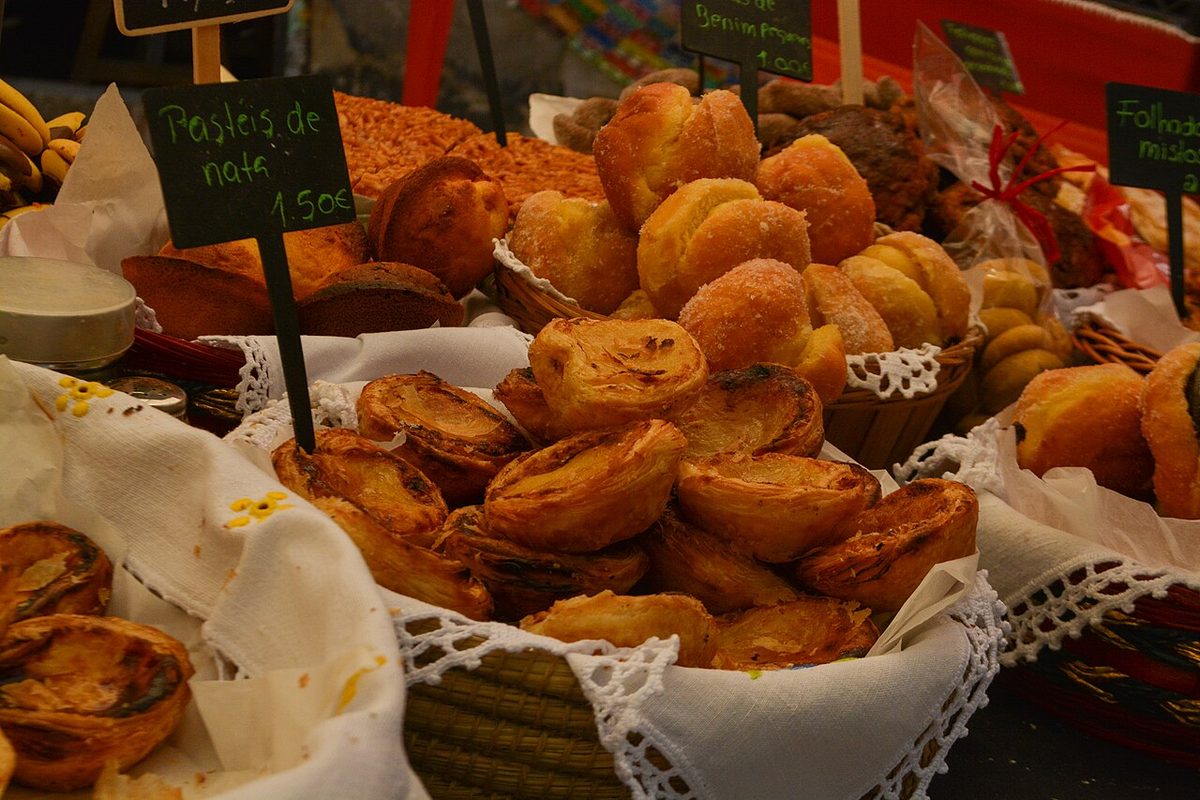
31. Dress modestly for churches and monasteries
Covered shoulders and knees are expected at most religious sites, including several major tourist draws. Carrying a light scarf or wrap solves this without changing your whole day’s outfit, and it’s genuinely enforced at some of the country’s biggest draws, not just a polite suggestion on a sign near the door.
32. Smoking indoors is banned everywhere hospitality operates
Indoor smoking bans cover restaurants, cafés and bars nationwide; outdoor terraces are a separate matter and vary by venue, so ask rather than assume either way — a busy terrace on a warm evening is where most Portuguese smokers actually smoke, precisely because the indoor ban pushed that habit outside years ago.
33. Greetings are warmer than a quick nod
A simple “bom dia” on entering a small shop or café, and on leaving, is standard and noticed when skipped — a small habit that changes how service feels for the rest of the interaction — it costs a second and reliably softens whatever comes next, from a slow queue to a language barrier.
34. Handle 20th-century history topics with care
Portugal’s Estado Novo dictatorship (1933-1974) and its colonial wars remain a live, sometimes painful part of national memory for older generations. It’s a legitimate subject for a museum visit, less so for casual small talk with someone who lived through it — treat it the way you would an equivalent chapter of your own country’s twentieth century, with genuine interest but without assuming a stranger wants to relitigate it over dinner.
35. Queue culture is genuine, not optional
Portuguese queues, whether at a bakery counter or a ticket window, are taken seriously — cutting in, even accidentally through not noticing the line, draws visible disapproval — if it isn’t obvious where a queue starts, a quick “quem é o último?” (who’s last?) is the normal way to find out and slot in correctly.
36. Sunday and Monday closures catch visitors out
Many museums close on Mondays, and smaller shops and some restaurants close all or part of Sunday, particularly outside the largest cities. Check opening days before building a tight single-day plan around a specific sight.
Portuguese social rhythm generally runs a touch slower and a touch more formal than a visitor from a faster-paced culture might expect at first — not stiff, but unhurried, and built around the same meal times, greetings and small courtesies that have held for generations. Matching that pace, rather than importing your home country’s, is most of what “etiquette” actually means here — less a list of rules to memorise than a general willingness to slow down and let things happen on the local clock rather than your own.
Health and safety
37. Tap water is safe to drink nationwide
There’s no need to buy bottled water for safety reasons anywhere in mainland Portugal, Madeira or the Azores — a refillable bottle saves money and plastic across a trip with a lot of walking in the sun, and public fountains in several old towns still run drinkable water if you want to skip buying bottled water even once.
38. Pharmacies (farmácias) handle more than you’d expect
Marked with an illuminated cross sign, farmácias can advise on and dispense treatment for minor ailments without a doctor’s visit, and pharmacists in tourist areas frequently speak English. A rotating duty system keeps at least one open in each area outside normal hours — the current duty pharmacy is posted in every pharmacy’s window, and it’s genuinely the fastest, cheapest route to advice for a minor ailment — often faster than a same-day doctor’s appointment for exactly the kind of thing a pharmacist is trained to handle.
39. Sun protection matters more than the temperature suggests
The UV index runs high even on days that don’t feel scorching, particularly on the coast and in the islands. A hat and a proper application of sunscreen matter more than the air temperature alone would suggest, particularly for anyone whose home climate rarely reaches this UV level even in a heatwave.
40. Watch belongings on trams and in tourist crowds
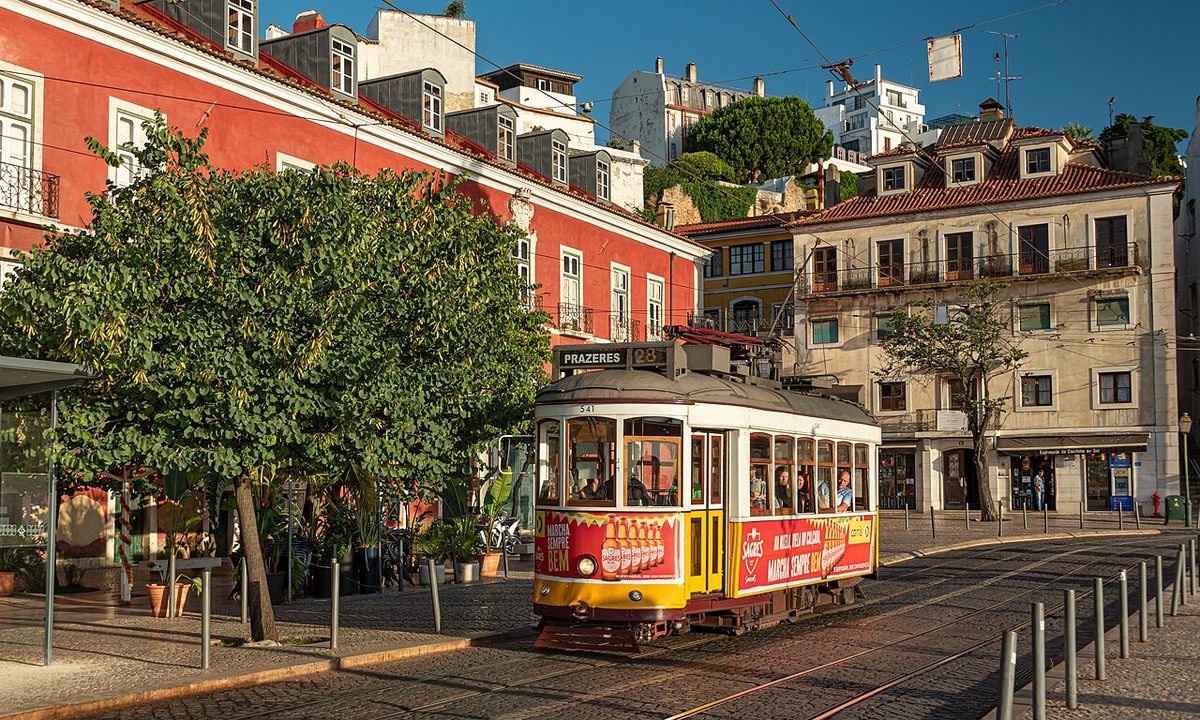
Lisbon’s famous tram routes and the busiest squares in all three major cities see the country’s small amount of tourist-targeted pickpocketing. It’s opportunistic rather than violent, and a bag worn across the body rather than over one shoulder removes most of the risk, and keeping a phone in a front pocket rather than a back one on a packed tram costs nothing in comfort.
41. Save 112 as Portugal’s single emergency number
It covers police, ambulance and fire, works from any phone including one without a Portuguese SIM, and operators handle calls in English as well as Portuguese — save it as a contact before you land rather than searching for it under pressure if you ever actually need it.
42. EU visitors should carry a valid EHIC or GHIC card
It covers necessary state healthcare during a temporary stay on the same terms as a Portuguese resident. Non-EU visitors should confirm what their travel insurance actually covers before relying on it, and it’s worth carrying a physical or photographed copy of the policy details rather than assuming you’ll have signal to look it up if you actually need it.
Portugal is, in practical terms, a low-risk destination on every measure in this section — the genuine advice here is closer to “carry the right card and know the one phone number” than any real warning about the country itself.
Everyday practicalities
43. Public toilets are less common than in some countries
Cafés generally expect a purchase before you use their facilities, which is a reasonable trade for the €1 or so a coffee costs. Train stations, shopping centres and museums are more reliable free options — worth factoring into a walking-heavy day of sightseeing rather than assuming a public facility will simply turn up when needed.
44. Public holidays close more than you’d expect
National and regional holidays close banks, many shops and some attractions with little warning to a visitor unfamiliar with the calendar — worth a quick check against your travel dates before finalising a day-by-day plan, particularly around Easter, Portugal Day in June, and the Assumption in mid-August, all of which affect opening hours nationwide rather than in just one region.
| 2026 public holiday | Date |
|---|---|
| New Year’s Day | 1 January |
| Good Friday | 3 April |
| Easter Sunday | 5 April |
| Freedom Day (Dia da Liberdade) | 25 April |
| Labour Day | 1 May |
| Corpus Christi | 4 June |
| Portugal Day | 10 June |
| Assumption of Mary | 15 August |
| Republic Day | 5 October |
| All Saints’ Day | 1 November |
| Restoration of Independence | 1 December |
| Immaculate Conception | 8 December |
| Christmas Day | 25 December |
A public holiday that falls midweek is often “bridged” into a long weekend by informal local custom (a ponte, or bridge day, taken off in between), which can catch a visitor out on a day that isn’t officially a holiday at all but sees reduced hours anyway — build a little flexibility around any of these dates rather than assuming a normal weekday, particularly for a museum visit or a specific restaurant you’ve been planning to reach on the day itself.
45. Laundry is easy to underestimate on a longer trip
Self-service launderettes exist in the bigger cities but aren’t as common as in some countries; many mid-range and up hotels offer a paid laundry service instead, worth checking before you pack for a two-week trip as if you were packing for four days — confirming a hotel’s laundry turnaround and price before you need it avoids a surprise on the one day you actually run out of clean clothes.
46. Skip the pushy street tour touts near major sights
A legitimate free walking tour or licensed guide doesn’t need to grab your arm on a public square. If you want a free tour, look up a reputable operator in advance rather than accepting the first offer at the sight itself, and remember that “free” still runs on tips, so budget for it as you would any other paid activity.
47. A “free” attraction with an aggressive vendor outside usually isn’t the attraction that’s the problem
Several of Portugal’s best viewpoints and squares attract unlicensed sellers and unsolicited “guides.” Politely declining and moving on costs nothing; engaging rarely ends with a better price than walking away, and a firm but polite “não, obrigado/a” closes the interaction faster than a lengthy explanation ever does.
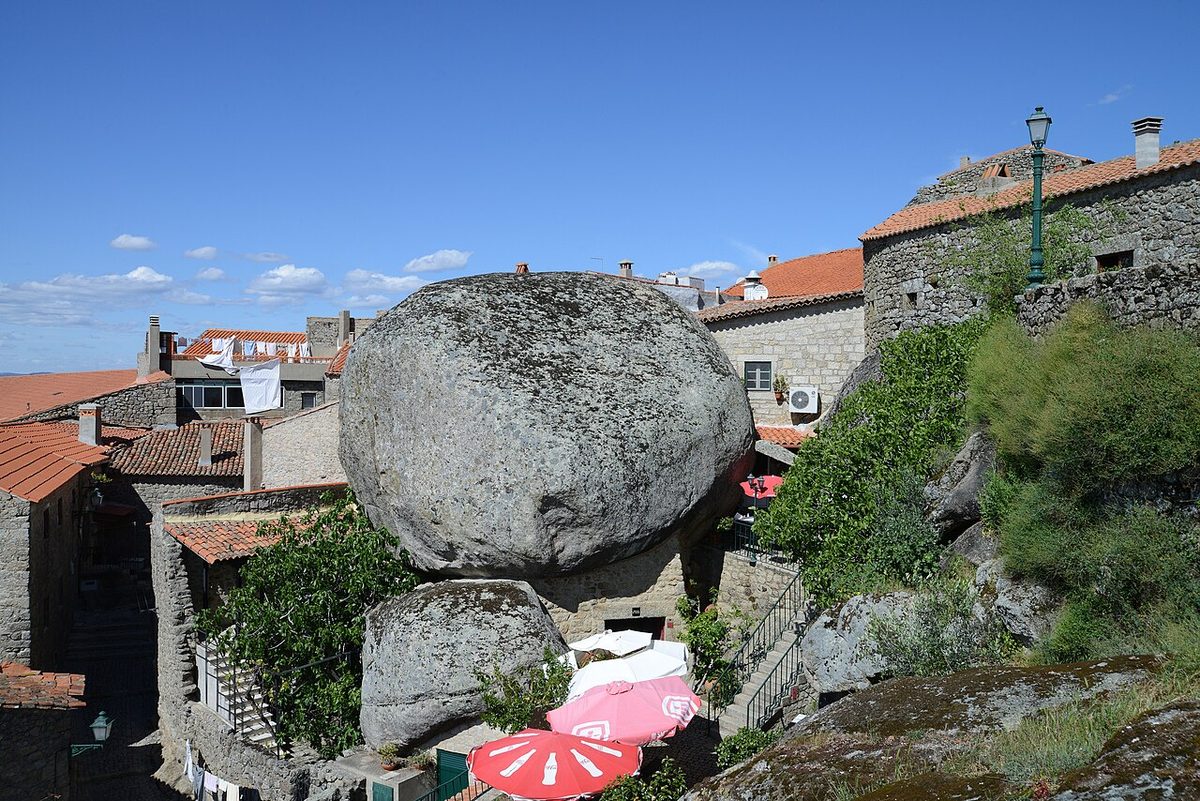
48. Small towns reward a slower pace more than big-name sights do
Some of the best experiences in the country — a market town’s Saturday morning, an inland village with no tour buses — don’t show up on a top-ten list because they’re not built around a single photographable landmark. Leave room in the itinerary for at least one — it consistently ranks, in traveller feedback across every region of the country, as more memorable than the headline sight scheduled either side of it.
49. Restaurants rarely need a reservation outside the very top tier
Mid-range and casual restaurants generally take walk-ins even in high season; the exceptions are well-known destination restaurants and anywhere with fewer than a dozen tables, where booking a day or two ahead avoids disappointment — a phone call or a quick message, rather than an app, is often still the fastest way to book a small, family-run place directly.
50. The biggest mistake is trying to do too much
Almost every list like this one is really pointing at the same underlying advice: slow down. A trip with two fewer stops and more time in each one consistently beats a checklist trip, in Portugal as much as anywhere else — every specific piece of advice in this guide, from the couvert to the compulsory seat reservation, exists to remove friction so that slower, better trip has room to actually happen rather than getting crowded out by avoidable small mistakes.
What a realistic first day looks like
Putting several of the tips above into a single sequence helps more than reading them as a disconnected list. You land, and if you’re a non-EU visitor your passport is checked and your biometric data registered under EES — budget extra time here rather than treating it as a delay, since it’s now a standard part of every first Schengen entry rather than a queue you can skip. Through arrivals, you find a Multibanco machine rather than the currency exchange desk, withdraw a modest amount of cash, and confirm your eSIM or local data is active. In the city, you buy a Viva Viagem or Andante card at the first metro or transit stop rather than paying cash fares one at a time for the rest of the trip.
By early afternoon, hungry and slightly disoriented from travel, the temptation is the first restaurant with an English menu and a tout outside it — exactly the one this guide’s tourist-trap section tells you to skip. A five-minute walk further, toward wherever locals are actually eating at that hour, or simply asking your accommodation for one specific recommendation rather than a general area, reliably produces a better and cheaper first meal. That one small decision, repeated across a trip, is most of what separates a good week in Portugal from an average one — not the sights themselves, which are largely fixed, but the ordinary choices made around them.
A few more practical notes
A handful of genuinely useful details don’t fit neatly into the fifty tips above but come up often enough to earn a mention. Drone flights are restricted around airports, military sites and several historic monuments, and increasingly regulated nationally in line with EU drone rules — check the specific site and current regulations before assuming a drone shot is fine anywhere scenic, and register with the relevant EU drone operator scheme in advance if you’re bringing your own rather than trying to sort it out from a hotel room the night before you planned to fly it. Photographing people directly, especially market vendors or residents going about ordinary life, is better done with a quick ask first than a long lens from across the street; it’s not a legal requirement so much as a basic courtesy that’s noticed either way, and a friendly ask more often than not gets a genuine smile back rather than a refusal.
Sea safety deserves a specific word given how much of a Portugal trip involves the coast: Atlantic beaches, particularly on the west coast and in the Algarve’s more exposed stretches, carry real rip currents and a swell that can look deceptively calm from the sand. Swim at flagged, lifeguarded beaches where one is available, and take a red or black flag seriously rather than as an overcautious formality — the flag system is a genuine safety signal here, not a bureaucratic reflex, and local lifeguards close beaches for exactly the conditions the flag warns about. Inland, mosquitoes are a mild summer evening nuisance rather than a health risk in most of the country, and a simple repellent covers it, and it’s a bigger consideration near still water and rice-growing areas than in the cities or on the coast itself. And the minimum age to drive a hire car is typically 21 with at least a year’s licence held, though individual rental companies set their own thresholds and young-driver surcharges — worth checking at the specific company you’re booking with rather than assuming the general EU minimum applies uniformly — a driver under 25 in particular should expect a young-driver surcharge quoted separately from the headline rental price.
What to skip: the tourist traps
Skip any restaurant with a tout on the pavement and a laminated multilingual menu directly opposite a major sight — the food-to-price ratio there is reliably the worst in the neighbourhood. Skip commercial “ETIAS visa” websites charging a large fee for a form that will be free to file yourself once ETIAS actually launches later in 2026. Skip the currency exchange kiosk at the airport in favour of a Multibanco withdrawal. Skip assuming a “free” walking tour has no cost — it runs on tips, typically €8-15 per person for a couple of hours, comparable to a paid tour of similar quality. Skip believing a tout who claims a major museum or palace is “closed today, but I can get you in” near the entrance — legitimate closures are posted at the official ticket office, not announced by a stranger on the pavement outside it. And skip the instinct to fill every single day with a headline sight; the slower stops are consistently what people remember longest, and a itinerary padded to the hour rarely survives first contact with a delayed train or a restaurant worth lingering at.
Frequently asked questions
What should first-time visitors to Portugal know before going?
Book train seats and popular attraction tickets ahead, expect EES biometric border registration now that it’s fully live, understand that the restaurant couvert isn’t a scam, and plan a slower itinerary with fewer stops rather than more.
Is Portugal safe for tourists?
Yes, among the safer countries in Europe for visitors, with petty theft (pickpocketing on trams and in crowded squares) as the main practical risk rather than violent crime.
Do you need to speak Portuguese to visit?
No, English covers most tourist-facing interactions in Lisbon, Porto and the Algarve, though a handful of basic Portuguese phrases are genuinely appreciated and more useful the further you travel from the main tourist circuit.
What is ETIAS and do you need it now?
ETIAS is a pre-travel authorisation for visa-exempt visitors expected to launch in the last quarter of 2026. It is not required as of this guide’s last update — check your government’s official travel advice for the current status rather than a commercial ETIAS service site.
Is tipping expected in Portugal?
No, it’s optional rather than expected. Rounding up a bill or leaving 5-10% for good restaurant service is appreciated but not obligatory, and there’s no American-style percentage norm.
What is the couvert at a Portuguese restaurant?
A small unrequested plate of bread, olives or cheese served at the start of a meal, typically €2-5. It’s legal and standard rather than a scam, and can be declined and sent back before you eat anything from it.
Is tap water safe to drink in Portugal?
Yes, nationwide, including Madeira and the Azores — there’s no need to buy bottled water for safety reasons.
What’s the biggest mistake first-time visitors make?
Overpacking the itinerary. A trip that moves less and spends longer in fewer places consistently beats a checklist of towns seen for a few hours each.
Do you need a passport that’s valid for a specific length of time?
Yes — under the Schengen rule, your passport needs at least three months’ validity beyond your planned departure date, not merely validity through the trip itself. Check this as soon as you book flights.
Should you learn Portuguese before visiting?
Fluency isn’t necessary. Five or six basic phrases, used consistently, cover most tourist interactions and are genuinely appreciated — more so than assuming Spanish will work as a substitute.
What’s the biggest border or entry change for 2026?
The EU’s Entry/Exit System (EES), which reached full operation in April 2026 and adds biometric registration — a fingerprint scan and a photo — to a visitor’s first Schengen border crossing. ETIAS, a separate pre-travel authorisation, is expected later in 2026 but isn’t required yet.
Can you drink alcohol in public in Portugal?
There’s no blanket nationwide ban, though some municipalities restrict it in specific areas at specific times, particularly around nightlife districts. It’s a minor consideration next to everything else in this guide, but worth a quick local check if it matters to your plans.
Planning around children, a honeymoon or a slower pace? Our Portugal family and traveller-type guide covers where each kind of trip works best, from toddlers on the Algarve to solo travellers on the Camino and over-60s wintering in Madeira.
Where to go next
For the route these tips assume, see our Portugal itinerary planning guide; for the transport specifics behind tips 14-19, our getting around Portugal guide covers every route in detail; and for the full price breakdown behind the money tips, see how much a trip to Portugal costs. Best time to visit Portugal expands on tip 23’s seasonal advice, and if the Algarve is part of your trip, where to stay in Algarve covers picking a base town by town — read it alongside this guide’s regional table above before locking in a specific hotel.
Photo credits
- Featured image: a Farmácia sign in Porto — John Samuel, CC BY-SA 4.0, via Wikimedia Commons
- A universal travel power adapter — User:Mattes, Public domain, via Wikimedia Commons
Border and entry rules checked September 2026 against official EU and government sources; ETIAS timing in particular is subject to change, so confirm the current position with your own government’s travel advice before you fly. Last updated September 2026.