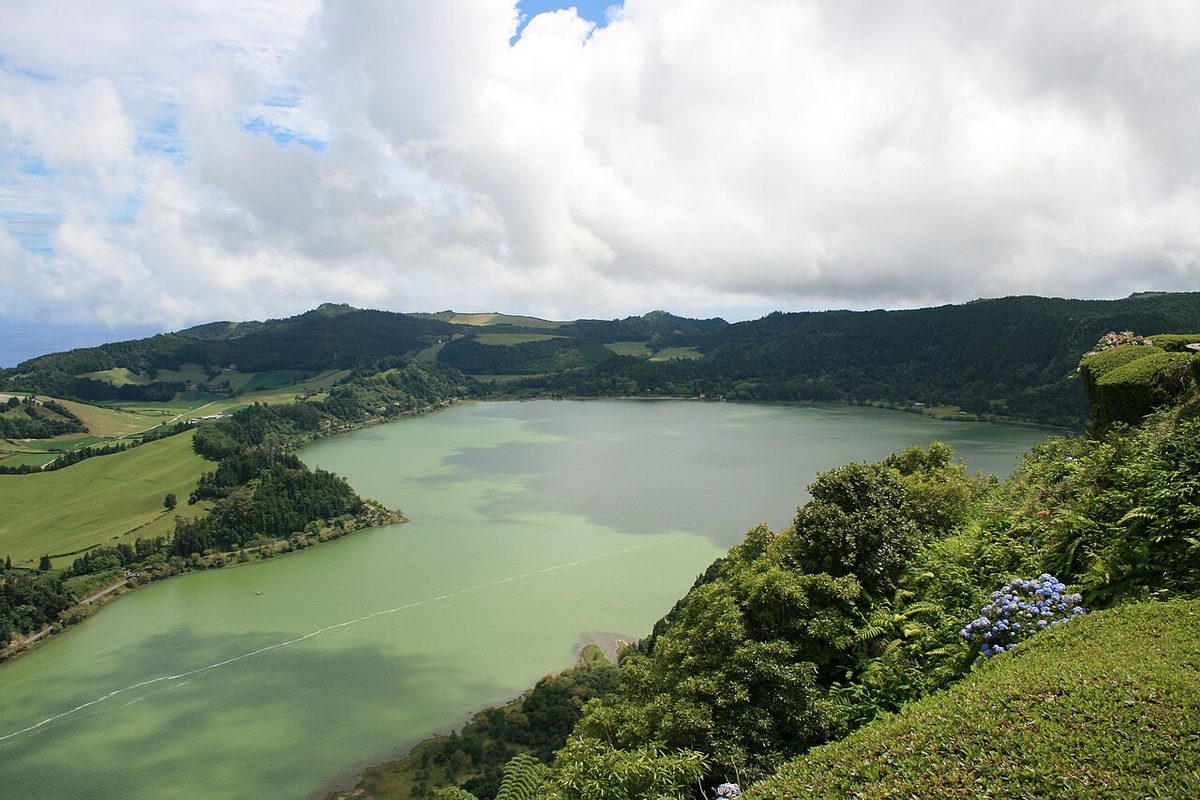
Most guides to the hot springs Portugal has to offer mix up two very different things. In the Azores, volcanic heat produces natural pools where you can lie in iron-red water under tree ferns. On the mainland, the hot water mostly emerges into termas, formal thermal spas with medical directors, treatment programmes and a clientele that comes to take the waters on doctor’s advice, much as people did in nineteenth-century Europe. Both are wonderful, but if you turn up at a mainland spa expecting a wild hot pool, or in Furnas expecting a treatment centre, you’ll be disappointed. This guide covers both, with the best pools and spas, what they cost where I could confirm it, and how each one works.
The short answer: the best hot springs in Portugal are on São Miguel in the Azores, at Terra Nostra Park, Poça da Dona Beija and Caldeira Velha in and around Furnas, and the ocean hot spring at Ponta da Ferraria. On the mainland, Chaves and São Pedro do Sul have the hottest water, and Vidago, Luso and Caldas de Monchique the most atmospheric spa towns.
The best hot springs Portugal has, at a glance
Prices are adult prices checked in October 2026; where I couldn’t confirm a price at source, the table says so. Water temperatures at the spring are as published by the spas or reported in the Portuguese press, and the water you bathe in is cooled.
| Place | Region | Type | What it’s like | Cost |
|---|---|---|---|---|
| Terra Nostra Park, Furnas | São Miguel | Historic garden with a big thermal pool | Iron-brown water, botanical gardens | Disputed: €10 or €17 (see below) |
| Poça da Dona Beija, Furnas | São Miguel | Landscaped thermal pools | Several pools among ferns, open late | €12, booked online (third-party) |
| Caldeira Velha | São Miguel | Natural warm waterfall pool in a nature reserve | Tree ferns, ochre rocks, timed entry | ~€10 (third-party) |
| Ponta da Ferraria | São Miguel | Ocean pool heated by a hot spring | Wild, tidal, ropes to hold | Free |
| Termas do Carapacho | Graciosa, Azores | Small seaside thermal spa | Quiet, traditional | Check locally |
| Chaves | Trás-os-Montes | Thermal spa, open-air thermal pools, Roman baths | Hottest water on the mainland | Check the spa |
| São Pedro do Sul | Beira (Viseu) | Large thermal spa town | Roman baths, busy spa resort | Check the spa |
| Vidago | Trás-os-Montes | Palace hotel spa | Belle Époque grandeur, golf | Hotel and spa rates |
| Pedras Salgadas | Trás-os-Montes | Spa park with eco-houses | Woods, modern cabins | Check the spa |
| Luso and Curia | Bairrada (Centre) | Historic spa towns | Buçaco forest, grand hotels | Check the spas |
| Unhais da Serra | Serra da Estrela | Mountain spa resort | Modern thermal complex | Check the spa |
| Caldas de Monchique | Algarve | Spa village in a wooded valley | Shady square, Roman origins | Check the spa |
Termas, hot springs and spas: what’s what
In Portugal, the word termas means a licensed thermal establishment using natural mineral water, and the tradition is medical. Most termas have a clinical director, and the classic visit is a course of treatment, often two weeks long, that starts with a medical consultation and continues with prescribed baths, showers, inhalations and massages for rheumatic, respiratory, skin or digestive complaints. Portuguese residents can have part of the cost of prescribed treatments covered by the national health service. That’s why many spas feel more like clinics than leisure centres, and why some are seasonal, typically opening from spring to autumn, though the best known now run all year.
Over the last twenty years, most termas have added a wellness side, known as bem-estar termal: day passes to thermal pools and saunas, massages and spa circuits that don’t need a doctor. That’s the part most visitors will use. Then there are hotel spas attached to the grand old spa hotels, like the Vidago Palace, which often use the local water. And finally there are natural hot pools, which in Portugal means almost exclusively the Azores, where the volcanic heat is close to the surface.
A clue on the map: any place called Caldas, from the Latin for “hot waters”, grew up around a spring. Caldas da Rainha, Caldas de Monchique, Caldas de Manteigas, Caldelas and Caldas da Felgueira all have one.
A short history of Portugal’s spa culture
Portugal’s taste for hot water is older than Portugal. The Romans built baths over the springs at Chaves, which they called Aquae Flaviae, at São Pedro do Sul, at Vizela and at Caldas de Monchique, and their stonework survives at several of them. In the Middle Ages, the springs were royal concerns: tradition says the first king, Afonso Henriques, recovered from a battle wound at São Pedro do Sul, and in 1485 Queen Leonor founded the thermal hospital at Caldas da Rainha after, the story goes, she saw peasants bathing in the steaming pools by the road and stopped to try them herself.
The golden age came with the railways in the late nineteenth and early twentieth centuries, when the aristocracy and the new middle classes took the train to “take the waters” for weeks at a time. Grand hotels went up at Vidago, whose palace opened in 1910, at Curia and at Luso, where the last kings built a neo-Manueline hunting palace in the Buçaco forest that is now a hotel. Casinos, bandstands and spa parks followed. After the Second World War, the fashion faded, and many spa towns slid into a genteel decline, kept alive by Portuguese pensioners on prescribed cures.
Since the 2000s there has been a revival. Old spa hotels have been restored, Álvaro Siza designed new spas at Vidago and Pedras Salgadas, wellness programmes have opened the termas to people who aren’t ill, and in the Azores the old bathing pools of Furnas have been joined by landscaped pools designed for visitors. The result is a strange and pleasant mix of the medical and the hedonistic that’s very Portuguese.
São Miguel: Portugal’s hot springs capital
São Miguel, the biggest island of the Azores, sits on top of active volcanoes, and the valley of Furnas, in a caldera in the east of the island, is where the heat comes closest to the surface. Fumaroles boil and hiss among the houses, the ground steams, the air smells faintly of sulphur, and the springs emerge at every temperature from cold and fizzy to boiling. Furnas is the place to base yourself for a day or two of bathing. For the rest of the island, see our São Miguel guide.
Terra Nostra Park
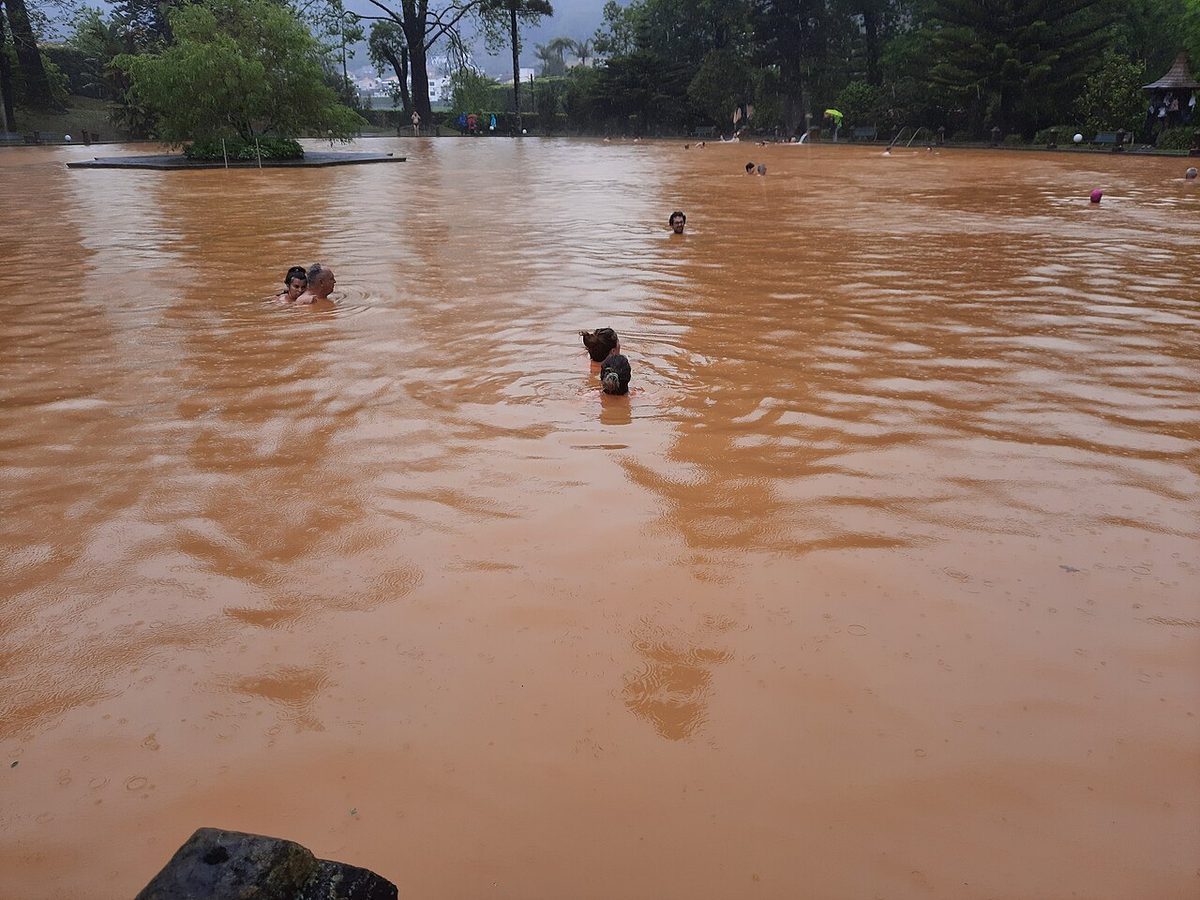
Terra Nostra is a historic botanical garden in the middle of Furnas, begun in the late eighteenth century by Thomas Hickling, a merchant from Boston, and its centrepiece is a huge rectangular pool of warm, iron-rich water, coloured orange-brown and opaque, with a fountain of hot water pouring in at one end. The water is roughly bath temperature. Around it, the gardens have one of the finest collections of camellias in Europe, cycads, tree ferns and a walk along a stream through the woods. The Terra Nostra Garden Hotel next door gives its guests access.
Price: sources disagree. A 2026 third-party listing gives €10 for a day’s entry, with the park open roughly 10:00 to 18:00; the last published price I found from earlier years was €17 for an adult. The park’s own ticketing page doesn’t respond to automated checks, so treat both figures with caution and check at the gate. Tips: bring a dark swimsuit you don’t mind staining, take off silver jewellery, and come early or late to avoid the coach tours. Verdict: the classic Azores bathing experience, and a beautiful garden.
Poça da Dona Beija
On the edge of Furnas village, the Poça da Dona Beija is a set of five or so stone-edged thermal pools in a landscaped, fern-filled garden by a stream, of different sizes and temperatures, plus a cold-water shower and changing rooms. It’s smaller and more intimate than Terra Nostra, and open late, so it’s the place for a soak after dinner, under lights in the steam.
Price: €12 for an adult, according to a 2026 third-party guide, with tickets sold online only (there has been no walk-in sale since March 2024) and opening hours of 07:00 to 23:00, with bathers out by 22:30. I couldn’t confirm these at source, so check the official booking site. Verdict: the best evening soak on the island.
Caldeira Velha
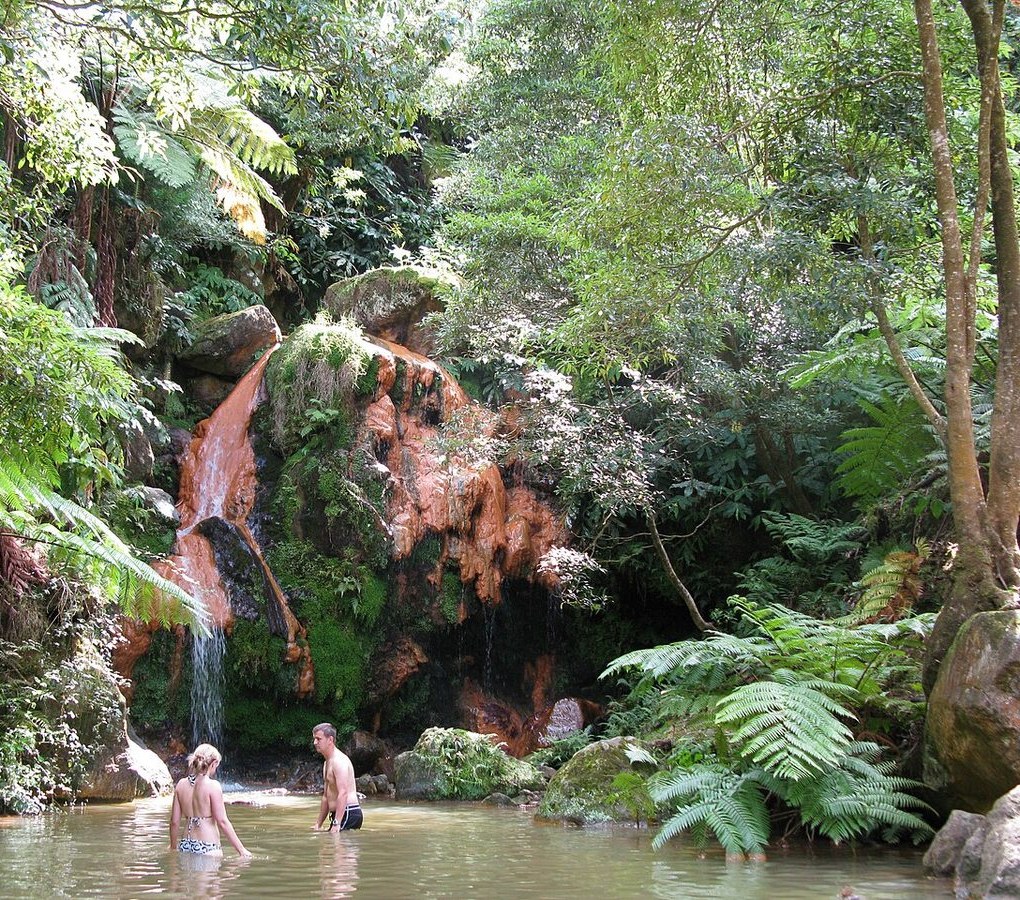
On the northern slopes of the Fogo volcano, on the road from Ribeira Grande up to Lagoa do Fogo, Caldeira Velha is a small nature reserve in a ravine of tree ferns and laurel forest, where a warm waterfall pours over ochre-stained rocks into a natural pool, with a couple of smaller, hotter pools nearby and a bubbling fumarole. It looks like a film set for a lost world. There’s a small interpretation centre on the island’s volcanism.
Price and booking: entry is now by timed slots, released for the next business day onwards, and third-party guides quote around €10 per person, non-refundable; I couldn’t confirm the price at source. Verdict: the most beautiful hot pool in Portugal. Combine it with Lagoa do Fogo, remembering that in summer the crater road is closed to private cars by day and served by a €5 shuttle (the official dates are 15 June to 30 September, though 2026 local reports suggested a later start).
Ponta da Ferraria
At the far western tip of São Miguel, below a lighthouse on a lava headland, a hot spring rises among the rocks of a small ocean inlet, and the sea and the spring mix to make a natural hot bath in the Atlantic. Ropes are strung across the pool for bathers to hold on to as the swell washes in and out. It’s free, wild and unlike anything else in Portugal. The temperature depends on the tide: at low tide, with less seawater mixing in, it’s hottest; at high tide it can be barely warm.
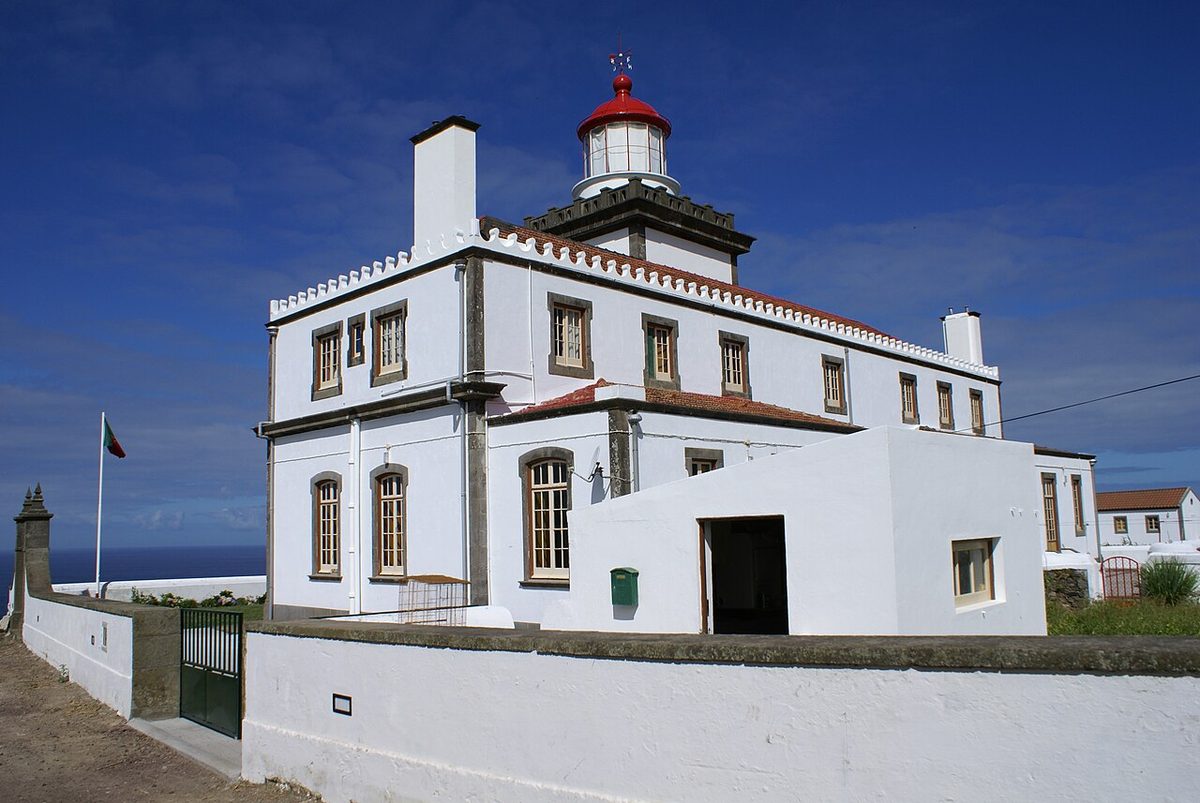
Tips: go around low tide on a calm day, wear water shoes for the sharp rocks, and don’t go in when the sea is rough; the swell is powerful. The access road down the cliff is steep. Verdict: the best free bath in Portugal.
The Furnas fumaroles and the cozido
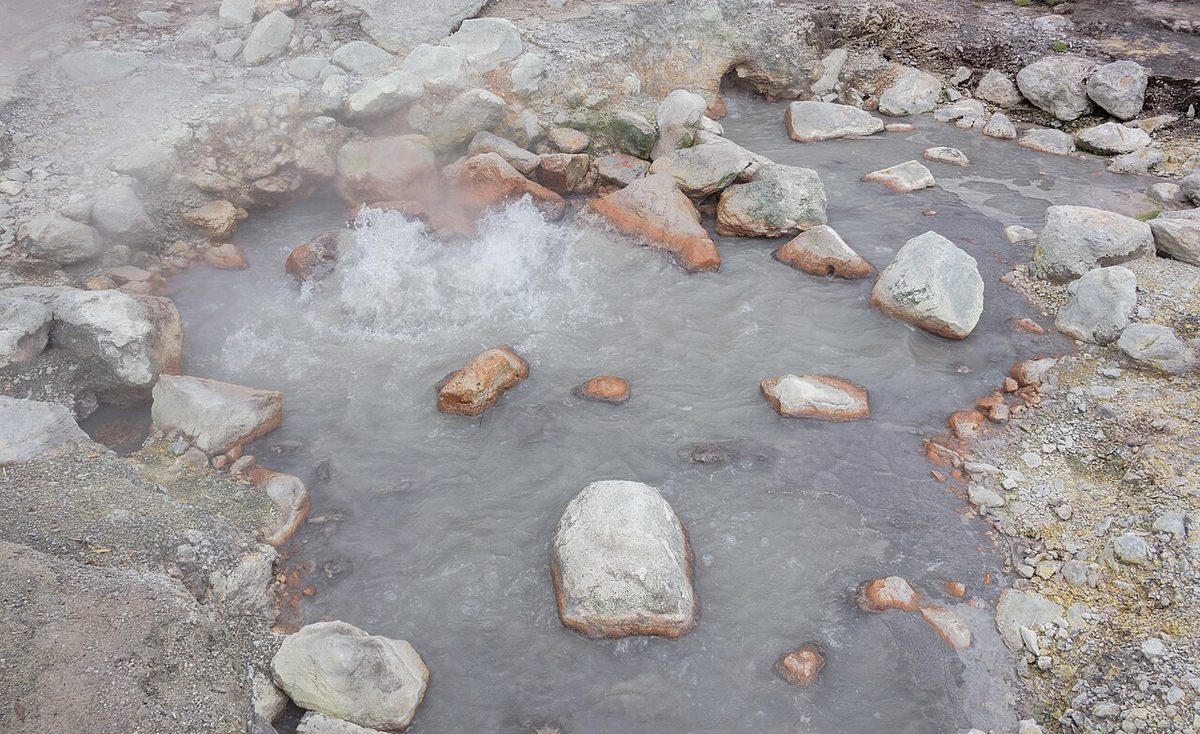
Not all of Furnas’s springs are for bathing. In the village, the caldeiras are pools of boiling, steaming water and mud, fenced and signed, and locals have long cooked corn cobs in them. On the shore of Lagoa das Furnas, restaurants bury pots of cozido, a stew of meats, sausages and vegetables, in holes in the hot ground in the morning and dig them up around lunchtime, about six hours later; you can watch the pots come out before eating it in town. Elsewhere on the island, the Caldeiras da Ribeira Grande are a small valley of fumaroles with a thermal bathhouse.
Hot springs on the other Azores islands
- Graciosa: the Termas do Carapacho, a small, traditional thermal spa on the south coast, use warm mineral water; the island’s caldera also holds the Furna do Enxofre, a lava cave with a lake you reach by a spiral staircase, though that’s for looking at, not bathing.
- Terceira: the Furnas do Enxofre in the centre of the island are a field of steaming fumaroles crossed by a walkway, with sulphur crystals around the vents. No bathing.
- Faial and Pico: volcanic landscapes, but no significant hot-spring bathing for visitors.
For choosing between the islands, see our Azores islands guide.
The best thermal spas on the mainland
Chaves
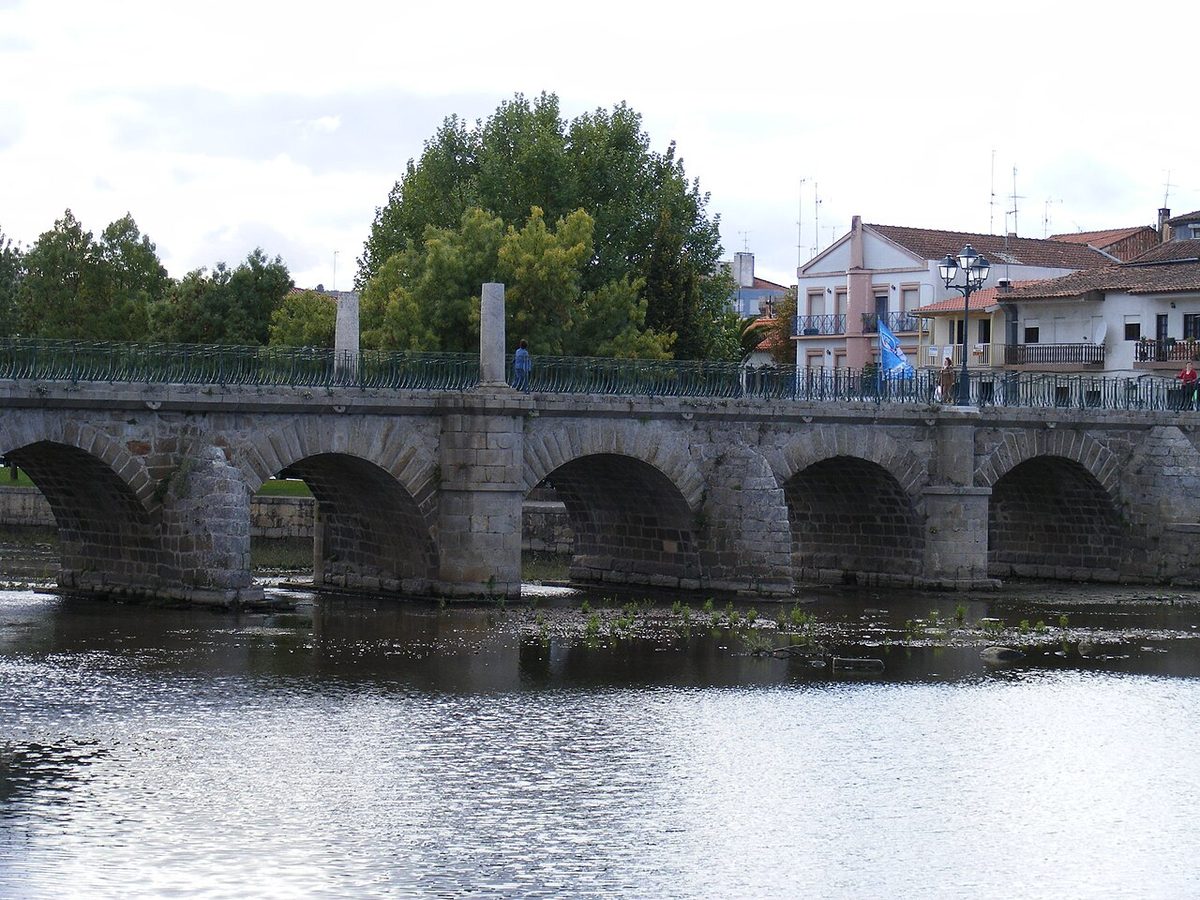
Chaves, in the far north near the Spanish border, has the hottest water on the mainland: it emerges from the ground at around 73–76 °C, depending on which source you read. The Romans named the town Aquae Flaviae after its springs, and the remains of their baths, excavated in the town centre, can now be visited. The modern Termas de Chaves offer treatments and wellness programmes, and the town has opened what are billed as the first open-air thermal pools in mainland Portugal. Chaves is also famous for its pastel de Chaves, a flaky pastry filled with veal, and its cured hams. Verdict: the most interesting thermal town in the north, with a Roman bridge thrown in. Our guide to Portugal’s best small towns has more on Chaves.
São Pedro do Sul
In the hills south-east of Porto, near Viseu, the Termas de São Pedro do Sul are one of Portugal’s biggest and busiest thermal resorts, with water that emerges at around 66–69 °C, the second hottest on the mainland. The ruins of the Roman baths stand beside the river, and tradition says that Portugal’s first king, Afonso Henriques, took the waters here to heal a leg broken in battle in the twelfth century. Today it’s a small spa town of hotels and treatment centres, popular with Portuguese visitors on prescribed cures. Verdict: the classic Portuguese spa experience; combine it with the schist villages of the Serra da Freita and the Paiva walkways nearby.
Vidago
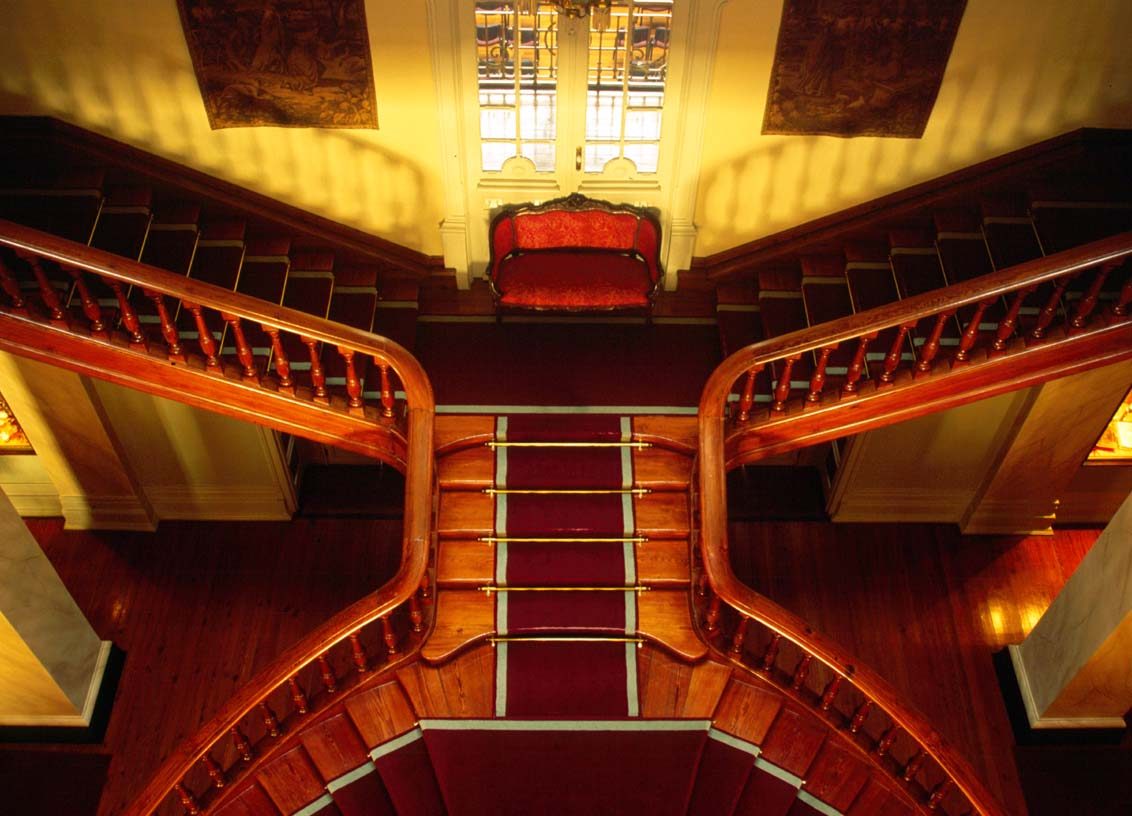
Vidago, a few kilometres south of Chaves, is a spa village built around a park of mineral springs and the Vidago Palace, a pink Belle Époque hotel that opened in 1910 and was restored a century later as a luxury resort with a golf course and a spa designed by Álvaro Siza. The fizzy local water is bottled and sold across Portugal, and you can taste it at the old pump rooms in the park. Verdict: the most glamorous spa in Portugal, if you’re staying at the hotel.
Pedras Salgadas
Ten minutes from Vidago, Pedras Salgadas is a thermal park of old springs and pump houses in the woods, revived as a spa and nature park with a thermal spa renovated by Álvaro Siza and a cluster of modern eco-houses and treehouses scattered among the trees. It’s a peaceful place for a weekend, and the naturally sparkling water is another famous Portuguese brand. Verdict: best for a night or two in the cabins, with the spa as a bonus.
Gerês
The village of Gerês, inside the Peneda-Gerês National Park, grew up as a spa resort, and its Termas do Gerês still offer thermal treatments and wellness programmes in a valley of granite and oak woods. Combine a soak with the park’s waterfalls and trails; our guide to Portugal’s national and natural parks covers Peneda-Gerês in detail.
Luso and Curia
In the Bairrada wine country between Coimbra and Aveiro, two historic spa towns sit a few kilometres apart. Luso, whose water is Portugal’s best-known bottled brand, lies at the foot of the walled forest of Buçaco, where Carmelite monks planted exotic trees and the last kings of Portugal built a neo-Manueline hunting palace, now the Bussaco Palace Hotel. Curia is a quiet Belle Époque spa town with a grand old palace hotel and a lake in its spa park. Both are perfect for a slow day, with suckling pig, the region’s speciality, for lunch. Verdict: the best spa stop on the way between Lisbon and Porto. See our central Portugal guide.
Unhais da Serra and Manteigas
The Serra da Estrela has two thermal spas. Unhais da Serra, on the southern slopes near Covilhã, has a modern mountain spa resort, with a hotel and a thermal water complex built into the hillside. Caldas de Manteigas, in the glacial valley town of Manteigas, is a smaller, traditional spa. Both are good bases for walking and, in winter, for snow. Our Serra da Estrela guide has the details.
Caldas de Monchique
In a wooded valley below the town of Monchique, half an hour inland from Portimão, Caldas de Monchique is a tiny spa village of pastel buildings around a shady square, with thermal water that has been used since Roman times. It has a spa and hotels, a café with a terrace under the trees, and walks into the cork and eucalyptus woods of the Serra de Monchique. Verdict: the best antidote to the Algarve beaches on a cloudy day. See our Algarve guide.
Caldas da Rainha
Caldas da Rainha, near Óbidos, is named after Queen Leonor, who founded a thermal hospital here in 1485, often described as the oldest thermal hospital in the world. The town is worth a visit for its daily fruit market and its Bordallo Pinheiro ceramics, but the historic thermal hospital has spent long periods closed or partly closed for restoration in recent years, so check whether the baths are open before you plan around them.
More termas worth knowing
- Monfortinho, Beira Baixa: a spa village by the Spanish border, near Monsanto.
- Caldelas and Vizela, Minho: traditional spa towns near Braga and Guimarães.
- Melgaço, Minho: a spa park on the river Minho at the northern tip of Portugal.
- Alcafache and Caldas da Felgueira, Viseu district: riverside spas in the Dão wine country.
- Cró, near Sabugal: a small spa in the Beira highlands.
- Vimeiro, near Torres Vedras: a spa close to the Silver Coast, whose water is bottled.
Natural hot springs you can bathe in for free
On the mainland, almost none. Portugal’s hot springs have been captured and channelled into spas for centuries, often since Roman times, and the water belongs to the termas. The exception people look for, a wild hot pool in the countryside, essentially doesn’t exist on the mainland. In the Azores, Ponta da Ferraria is free and open at all hours (though it’s dangerous in rough seas and after dark), and the fumaroles of Furnas, Ribeira Grande and Terceira are free to look at. Everything else charges a fee, however natural it looks.
Three spa breaks
A thermal weekend in the north (2–3 days from Porto)
Drive about 1h45 north-east from Porto to Vidago and stay at the palace or in the village; spend a day in the spa and the park. Next day, visit the woods and springs of Pedras Salgadas, ten minutes away, and continue to Chaves for the Roman bridge, the Roman baths museum, a soak and a pastel de Chaves. The motorways that serve the region, including the A24 and the A4, have been toll-free since January 2025.
Buçaco, Luso and Curia (1–2 days between Lisbon and Porto)
Leave the A1 at Mealhada, famous for its roast suckling pig, and spend an afternoon walking in the walled forest of Buçaco, with its chapels, stairways and giant trees. Sleep at the Bussaco Palace or in Luso, try the spa, and the next morning visit the Belle Époque spa park at Curia before continuing to Coimbra or Aveiro.
Two nights in Furnas (São Miguel)
Arrive at Furnas in the afternoon and soak in the Terra Nostra pool as the day-trippers leave. After dinner, book a late slot at Poça da Dona Beija. Next morning, watch the cozido pots being dug out of the ground by Lagoa das Furnas, eat it for lunch, then drive across the island to Caldeira Velha (booked ahead) and up to Lagoa do Fogo. On the way back to Ponta Delgada, time a low-tide visit to Ponta da Ferraria.
Which hot spring for which traveller
| If you want… | Go to |
|---|---|
| A natural pool in the forest | Caldeira Velha |
| A soak after dark | Poça da Dona Beija |
| Something free and wild | Ponta da Ferraria, at low tide on a calm day |
| A garden as well as a pool | Terra Nostra Park |
| Belle Époque glamour | Vidago Palace, Curia, the Bussaco Palace near Luso |
| Proper thermal treatments | São Pedro do Sul, Chaves |
| Hot water plus hiking | Gerês, Unhais da Serra, Caldeira Velha |
| A spa day near the beach | Caldas de Monchique, inland from Portimão |
| Roman history with your soak | Chaves, São Pedro do Sul |
What to skip, and what’s overrated
- Terra Nostra in the early afternoon. The pool is big, but the tour coaches arrive after lunch. Come first thing or late in the day, or stay at the hotel.
- Turning up at Poça da Dona Beija or Caldeira Velha without booking. Both now sell timed tickets in advance; in summer the slots sell out.
- Expecting Icelandic-style wild springs on the mainland. The mainland’s hot water is in spas. Come for the old spa towns and their hotels instead.
- Booking a “cure” without understanding it. Classic Portuguese thermal treatments are medical programmes that start with a doctor’s consultation and run for days. For a relaxing soak, ask for the wellness or day-spa options.
- Ponta da Ferraria at high tide or in a big swell. At high tide it’s barely warm, and in rough seas the swell in the inlet is dangerous. Check the tide tables.
- Wearing your best swimsuit in Furnas. The iron-rich water stains light fabrics orange, often permanently.
How to visit: practical tips
- Book ahead. Poça da Dona Beija and Caldeira Velha sell timed tickets online; the mainland spas take bookings for treatments and day passes.
- Bring the right kit. A dark swimsuit for the Azores, flip-flops, a towel and, for indoor spa pools, a swimming cap, which many Portuguese spas require.
- Take off jewellery. Sulphurous and iron-rich waters can tarnish silver and discolour other metals.
- Don’t overdo it. Hot mineral water is tiring; limit soaks to fifteen or twenty minutes at a time, drink water, and take advice if you have heart problems, high or low blood pressure, are pregnant or are bathing with small children.
- Check the season. Some mainland termas close in winter, and many reduce their hours; the Azores pools are open all year.
- Stay at a spa hotel. The Vidago Palace, the Bussaco Palace near Luso, the Terra Nostra Garden Hotel in Furnas and the spa hotels at Caldas de Monchique and Unhais da Serra give you the waters on your doorstep.
When to go
Hot springs are a cold-weather pleasure, and they make the most sense in the shoulder seasons and winter. The Azores are mild and wet from November to March, perfect for an evening in a warm pool, though the weather changes fast. On the mainland, autumn and spring are ideal for the northern spa towns, which can be cold and damp in winter and hot in the inland valleys in July and August. For month-by-month weather, see our guide to the best time to visit Portugal.
Frequently asked questions
Are there natural hot springs in Portugal?
Yes, especially in the Azores, where volcanic heat produces natural hot pools at Furnas, Caldeira Velha and Ponta da Ferraria on São Miguel. On the mainland, the hot springs have been channelled into thermal spas, or termas, for centuries.
Where are the best hot springs in Portugal?
On São Miguel in the Azores: Terra Nostra Park and Poça da Dona Beija in Furnas, Caldeira Velha near Ribeira Grande, and the ocean hot spring at Ponta da Ferraria. On the mainland, Chaves and São Pedro do Sul have the hottest water.
What is the hottest spring in Portugal?
On the mainland, Chaves, where the water emerges at around 73–76 °C depending on the source. São Pedro do Sul is second, at around 66–69 °C. In the Azores, some fumaroles in Furnas boil at the surface.
How much does Terra Nostra cost?
Sources disagree: a 2026 third-party listing gives €10 for a day’s entry, while the last published price I found from earlier years was €17. The park’s own site couldn’t be checked automatically, so confirm at the gate.
Do you need to book Poça da Dona Beija?
Yes. According to a 2026 third-party guide, tickets have been sold online only since March 2024, at €12 for an adult, with the pools open from 07:00 to 23:00. Check the official booking site for current slots.
What are termas in Portugal?
Licensed thermal spas using natural mineral water, traditionally for medical treatment prescribed after a consultation. Most now also offer wellness day passes, pools and massages that don’t need a doctor.
Is there a hot spring near Lisbon?
Not really. The nearest traditional spa towns are Caldas da Rainha, about an hour north (check whether the historic baths are open), and Vimeiro near Torres Vedras. The famous hot springs are in the north and in the Azores.
Are there hot springs in the Algarve?
Yes, at Caldas de Monchique, a small spa village in the hills inland from Portimão, with thermal water used since Roman times and a modern spa.
Where to go next
- The best things to do in Portugal, our main guide
- Things to do on São Miguel, home of Portugal’s best hot pools
- Portugal travel tips before you go
- Portugal with kids
Photo credits
- Lagoa das Furnas from the hills above (featured image) — Abspires40 from Cape Town, South Africa, CC BY 2.0, via Wikimedia Commons
- The warm waterfall pool at Caldeira Velha (cropped) — Jlahorn, CC BY-SA 3.0, via Wikimedia Commons
- The thermal pool at Terra Nostra Park — Bybbisch94, Christian Gebhardt, CC BY-SA 4.0, via Wikimedia Commons
- Ponta da Ferraria lighthouse — José Luís Ávila Silveira/Pedro Noronha e Costa, public domain, via Wikimedia Commons
- A fumarole at Furnas — Diego Delso, CC BY-SA 4.0, via Wikimedia Commons
- The Roman bridge at Chaves — Bruno Esteves, CC BY-SA 3.0, via Wikimedia Commons
- The staircase of the Vidago Palace — Javier Branas, CC BY 3.0, via Wikimedia Commons
Prices checked October 2026. The Azores pool prices come from third-party sources and could not be confirmed at source; where sources disagree, both figures are given. Spring temperatures as published by the spas or reported in the Portuguese press. Spa opening seasons vary, so check before travelling. Last updated: October 2026.