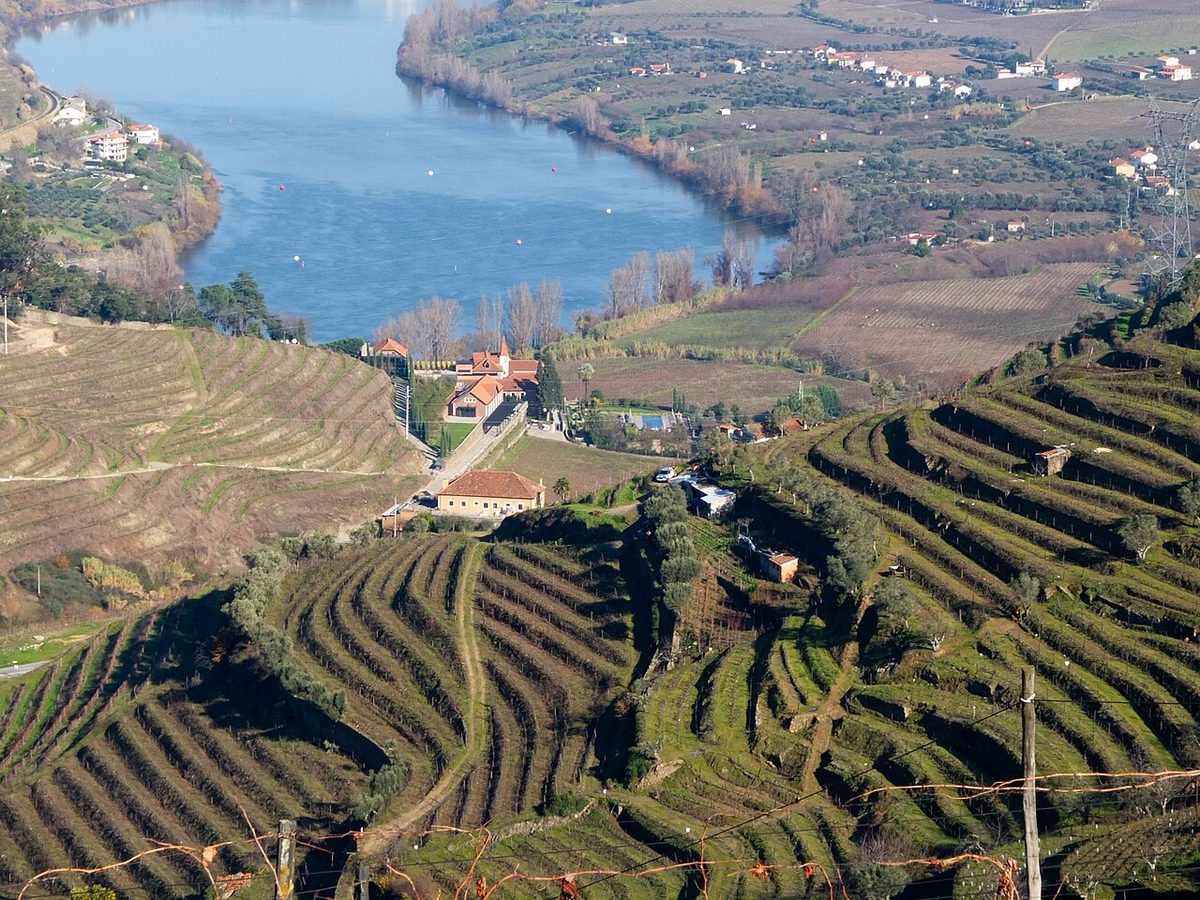
The Douro Valley is the oldest demarcated wine region in the world, laid out in 1756 — a century before Bordeaux classified anything — and it is also the most physically improbable farmland in Europe. The vines grow on terraces of broken schist cut into slopes that in places exceed forty-five degrees, above a river that was a torrent of rapids until it was dammed in the twentieth century. Nothing about it is convenient, which is precisely why it looks the way it does.
The short answer: take the train from Porto to Pinhão rather than a coach tour, sit on the right-hand side leaving the city, book one quinta visit in advance, and stay two nights rather than one if you possibly can. A day trip works and shows you the scenery; two nights shows you the region. September, during the harvest, is the month.
What follows is the valley by the decisions you actually have to make — train, car or boat; day trip or overnight; which quinta; which town — with real fares and timetable detail, and an honest section on which of the standard options are a waste of money. Fares were checked on cp.pt in September 2026.
The Douro Valley at a glance
The wine region begins about an hour inland from Porto, where the Marão mountains block the Atlantic weather, and runs east along the river to the Spanish border. It divides into three sub-regions that get progressively hotter, drier and emptier as you go upstream.
| Sub-region | Roughly | Character | Verdict |
|---|---|---|---|
| Baixo Corgo | Around Peso da Régua, the westernmost | Wettest and greenest; the highest density of vineyards | Where most visitors arrive and fewest linger |
| Cima Corgo | Around Pinhão | The classic terraces, the famous quintas, the best river bends | The stretch to aim for |
| Douro Superior | East towards the border | Hot, dry, remote, thinly populated | For a second visit, and for the Foz Côa rock art |
If you have one day, go to Pinhão in the Cima Corgo. If you have three, add the Douro Superior and the Palaeolithic engravings at Vila Nova de Foz Côa, which almost no wine visitor sees.
The whole demarcated area is a UNESCO World Heritage cultural landscape — listed not for a building but for the terraces themselves, which have been shaped continuously for two thousand years and which are held up by dry stone walls that someone has to maintain, by hand, in perpetuity.
Getting there: the decision that shapes the trip
There are four ways into the valley from Porto and they produce four different days. This is the choice that matters most.
| Method | Time to Pinhão | Cost | Best for | Verdict |
|---|---|---|---|---|
| Train (Linha do Douro) | ~2h20 | ~€12.45 one way | Scenery, independence, value | The best option by a wide margin |
| Hire car | ~1h45 | €180–€300 a week | Reaching quintas off the river | Necessary if you want the N222 and the hill villages |
| Coach-and-cruise day tour | Full day | Several times the train | Not having to organise anything | Four hours on a bus for one hour on a boat |
| River cruise from Porto | All day upstream | Highest | Seeing the locks and the lower valley | Slow; usually one-way with a coach or train back |
The train, in detail
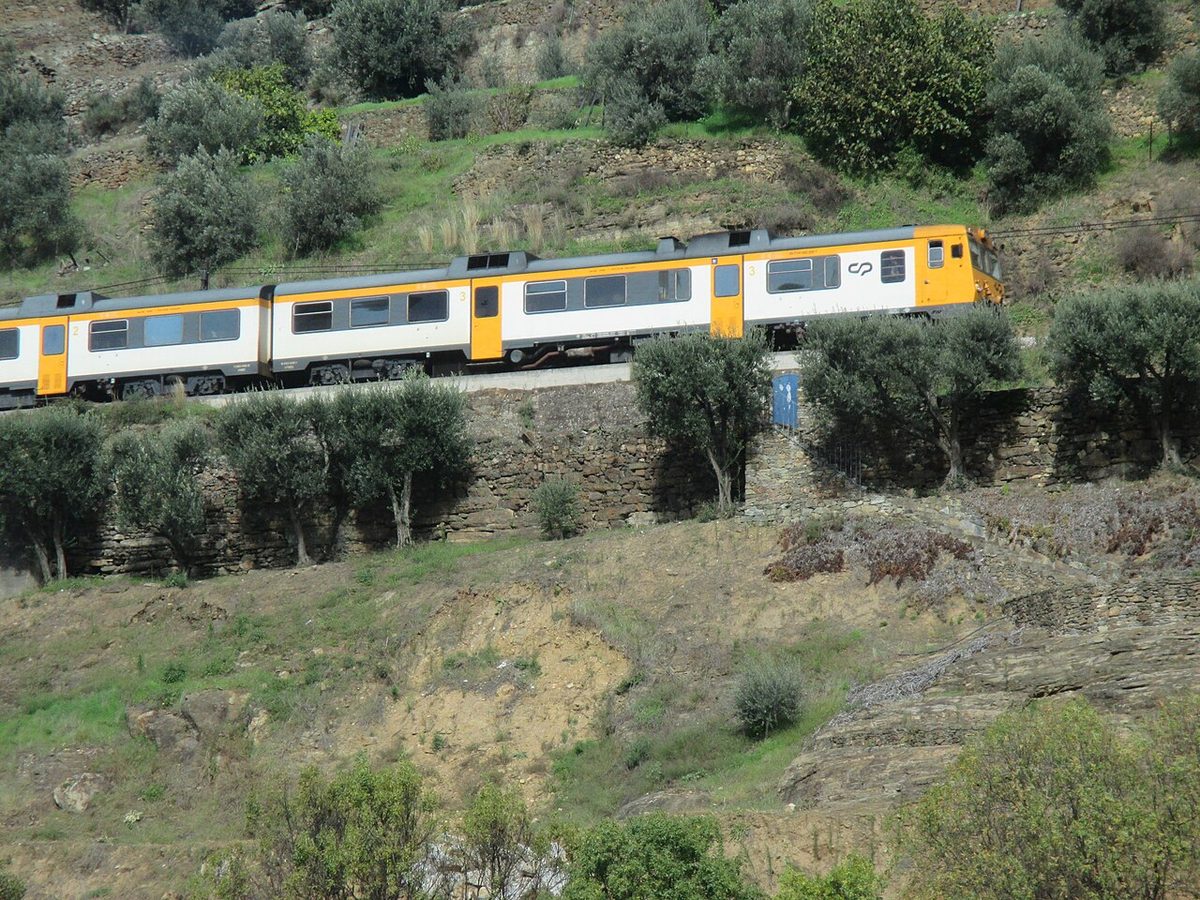
The Linha do Douro leaves Porto São Bento — itself worth arriving early for, since its hall is lined with around 20,000 azulejos — and follows the river east. For the first hour it runs through suburbs and countryside; from Peso da Régua onwards it runs at water level, below the terraces, so close to the river that in places the track is the only thing between the vines and the water. That final stretch, Régua to Pinhão, is the reason to come.
The practical detail, checked on cp.pt in September 2026. Porto São Bento to Pinhão takes about 2h20 and costs around €12.45 one way. There are only about two direct regional services a day, leaving at roughly 09:25 and 13:25. Take the earlier one: the later departure leaves you barely three hours at the far end before you have to think about getting back.
Sit on the right-hand side leaving Porto. That is the river side for most of the journey, and it makes a substantial difference. In summer and during the September harvest the carriages fill, so arrive early enough to choose.
Verdict: the best train journey in Portugal and one of the best in Europe, for the price of two coffees in a hotel bar. If you do only one thing in the north, do this.
Driving: the N222 and the valley roads
The N222 between Peso da Régua and Pinhão is regularly named among the best driving roads anywhere, and the claim survives contact with the road itself: twenty-seven kilometres of bends cut into the hillside above the river, with terraces rising on one side and the water below on the other. It is slow, narrow in places and worth every minute.
A car also unlocks the things the train cannot reach: the quintas up on the slopes rather than at the water’s edge, the hill villages of Provesende and Favaios, the viewpoints at São Leonardo de Galafura and Casal de Loivos, and the whole Douro Superior. The trade-off is obvious and should be said plainly: quinta visits involve tasting wine, and the valley roads are not roads to drive after a tasting. Either nominate a driver, or take the train and book transfers.
Cruises: which kind, and which to avoid
Three quite different things are sold as Douro cruises.
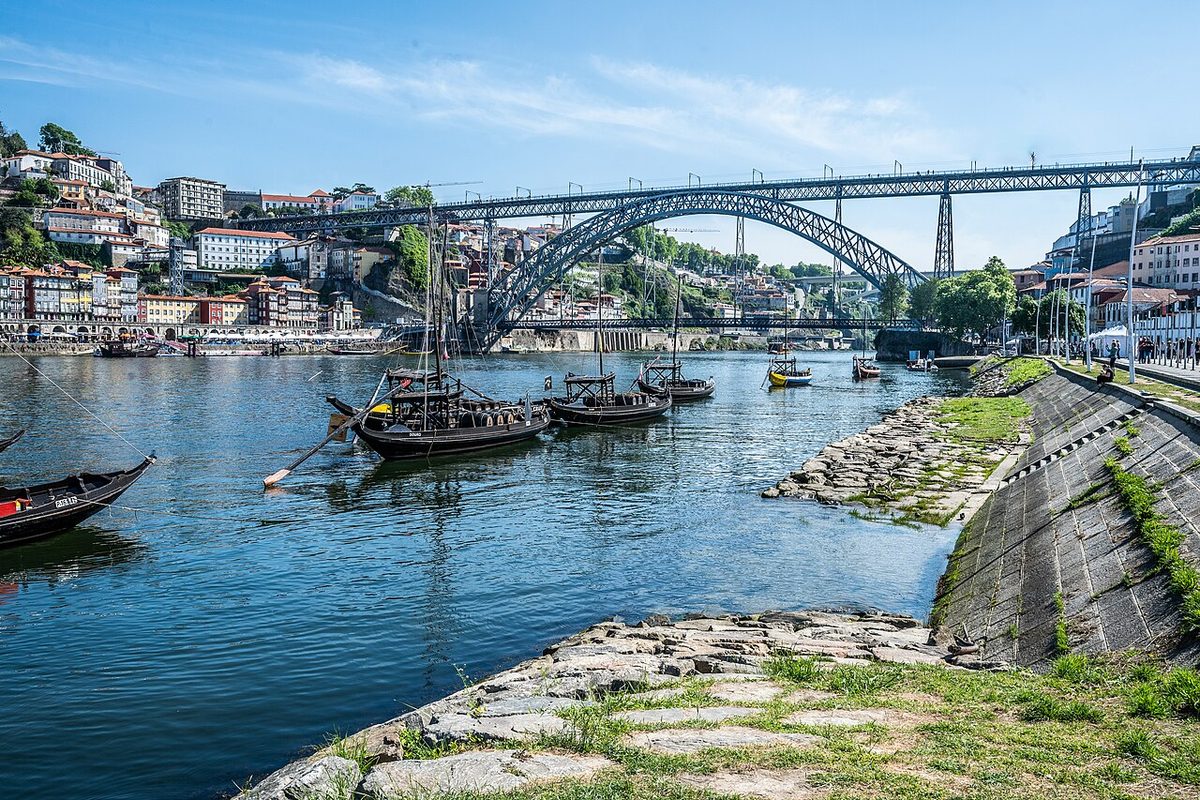
The fifty-minute six-bridges trip in Porto is not a valley cruise at all — it takes you under the city’s bridges and back. It is cheap and pleasant and it shows you Porto from the water, which is the angle the city was built to be seen from. Worth doing once, in the late afternoon.
The full-day cruise from Porto up the valley passes through the Crestuma and Carrapatelo locks — the latter one of the deepest in Europe — and is genuinely interesting for about two hours. It is also a long day at low speed, and most versions return you by coach or train, which tells you something about the pace.
A short trip out of Pinhão or Régua, often in a converted rabelo — the flat-bottomed boats that carried port barrels downriver before the dams — is an hour on the water in the best part of the valley, and it is the one I would take. It costs a fraction of the full-day options and delivers the view that matters.
The one to skip is the full-day coach-and-cruise package from Porto: two hours on a bus each way, an hour on a boat covering a short stretch of river, a set lunch and one quinta, for several times the cost of a train ticket that runs closer to the water than the road does.
Visiting a quinta
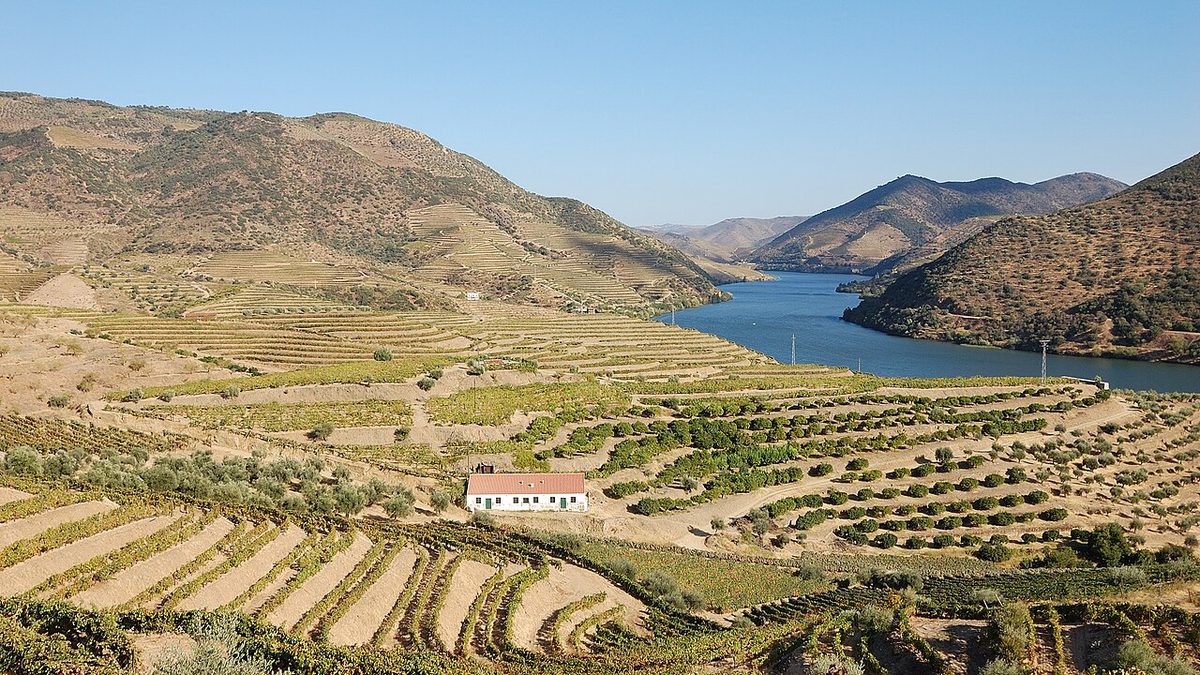
There are over two hundred quintas in the demarcated region — estates with their own winery and enough land to matter — and a great many remain in the founding family’s hands, some for more than three centuries. A growing number receive visitors, and the experience varies enormously.
How a visit works
The standard format is a tour of the winery and, if the estate is old enough, the granite lagares where grapes were once trodden and in some cases still are, followed by a tasting of three or four wines on a terrace looking at the terraces. Bigger estates run scheduled visits in several languages; smaller ones take bookings for a specific time and may be run by the person who made the wine.
Book ahead. This is not Napa: many quintas do not take walk-ins, several close at weekends, and during the September harvest the working estates are, reasonably, busy making wine. Book at least a few days in advance and confirm the language.
Choosing between them
| Type | What you get | Best for |
|---|---|---|
| Large historic estates near Pinhão | Polish, scheduled tours, a shop, a restaurant | A first visit; reliable English-language slots |
| Small family quintas | The winemaker, eight visitors, unfiltered opinions | Anyone who has done a port lodge already |
| Quintas with rooms | Staying on the estate, dinner, the terraces at dusk | The reason to spend two nights in the valley |
| Still-wine producers | Dry Douro reds and whites rather than port | Understanding what the region does now |
The single best piece of advice: visit one quinta properly rather than three in a day. The tours cover much the same ground, and after the third you have had nine or twelve glasses of wine, several of them at twenty per cent alcohol, before dinner.
What port is, and what the Douro makes now
Port is a fortified wine: grape spirit is added part way through fermentation, which stops the yeast, leaves residual sugar and pushes the alcohol to around twenty per cent. Everything after that is a question of how it was aged.
Ruby styles age in large vessels with minimal oxygen contact and stay dark and fruity. Vintage port is the top of this family: declared only in good years, bottled after two years, and expected to develop for decades. Tawny styles age in smaller barrels with air contact, going amber and nutty; a 10, 20 or 40-year tawny is a blend whose average age matches the number. White port exists, and served long over ice with tonic and lemon it is what the region actually drinks on a hot afternoon.
The thing most visitors do not expect: the Douro’s unfortified table wine is now excellent and, in the last two decades, has become the region’s serious business. Dry reds from the same grapes on the same terraces — Touriga Nacional, Touriga Franca, Tinta Roriz — are structured, age-worthy and priced well below their equivalents from France or Italy. Order the still wine at dinner and the port after it.
Two practical notes worth taking home. An opened tawny keeps for weeks because it has already spent decades in contact with air; an opened vintage is finished within a day or two. And lodge and quinta shop prices are rarely better than a Portuguese supermarket for the standard ranges — the aged and single-quinta bottles are where buying at source is genuinely worth it.
The harvest, and why September is the month
The vindima runs from roughly the middle of September into early October, depending on the year and the sub-region. The valley is at its busiest and its most alive: pickers on the terraces, tractors on the narrow roads, the smell of fermentation in every village, and estates open later than usual.
Several quintas run harvest experiences where visitors pick for a morning and tread grapes in the granite lagares in the evening — barefoot, in a line, arms linked, which is genuinely how some premium port is still made because human feet crush the fruit without breaking the pips. These book out well in advance and are the single most memorable thing you can do in the valley.
Verdict: if your dates are flexible, come in September. The scenery is the same in June and the region is only a working wine region for about three weeks a year.
How the valley came to look like this
The terraces are not picturesque by accident. Five episodes made this landscape, and knowing them changes what you are looking at from a nice view into an argument about trade, disease and engineering.
The English wanted wine and France was at war. In the late seventeenth century, conflict cut English merchants off from Bordeaux, and they went looking elsewhere. They found the Douro, and they found that its wine did not survive the sea voyage — so they fortified it with grape spirit, which is the entire origin of port as a style. The 1703 Methuen Treaty locked in preferential duties, English firms established themselves in Vila Nova de Gaia, and the names still painted on the lodge roofs are the fossil record of that arrangement.
Then the wine got adulterated, and the state stepped in. Demand outran supply, elderberry juice and worse found their way into the barrels, and in 1756 the Marquês de Pombal established a company to control production and drew a boundary around the land entitled to make it, marking it with granite posts — the feitorias, some of which still stand. That boundary is the reason this is the oldest demarcated wine region in the world.
Phylloxera nearly ended it. The aphid arrived from America in the 1860s and destroyed a large share of the vines. Whole terraces were abandoned, and the ruined walls of that period — the mortorios — are still visible on the slopes above the river, terraces that were built, planted, killed and never replanted. Recovery meant grafting European vines on to American rootstock, which is what almost every vine in the valley still grows on.
The dams turned a torrent into a staircase of lakes. Until the twentieth century the Douro was a river of rapids, dangerous enough that carrying barrels downstream in rabelo boats was genuinely hazardous work. A series of dams and locks built from the 1960s onwards made it navigable, which is why cruise boats can now reach Barca d’Alva and why the water below the terraces is flat and still.
And in 2001 the landscape itself was listed. UNESCO inscribed the Alto Douro Wine Region as a cultural landscape — not for a monument but for the terraces, the walls and the pattern of cultivation, which have been continuously worked for two thousand years. The listing carries an obligation nobody advertises: the dry stone walls have to be maintained by hand, and labour is the region’s real constraint.
The towns, and what is in them
Pinhão
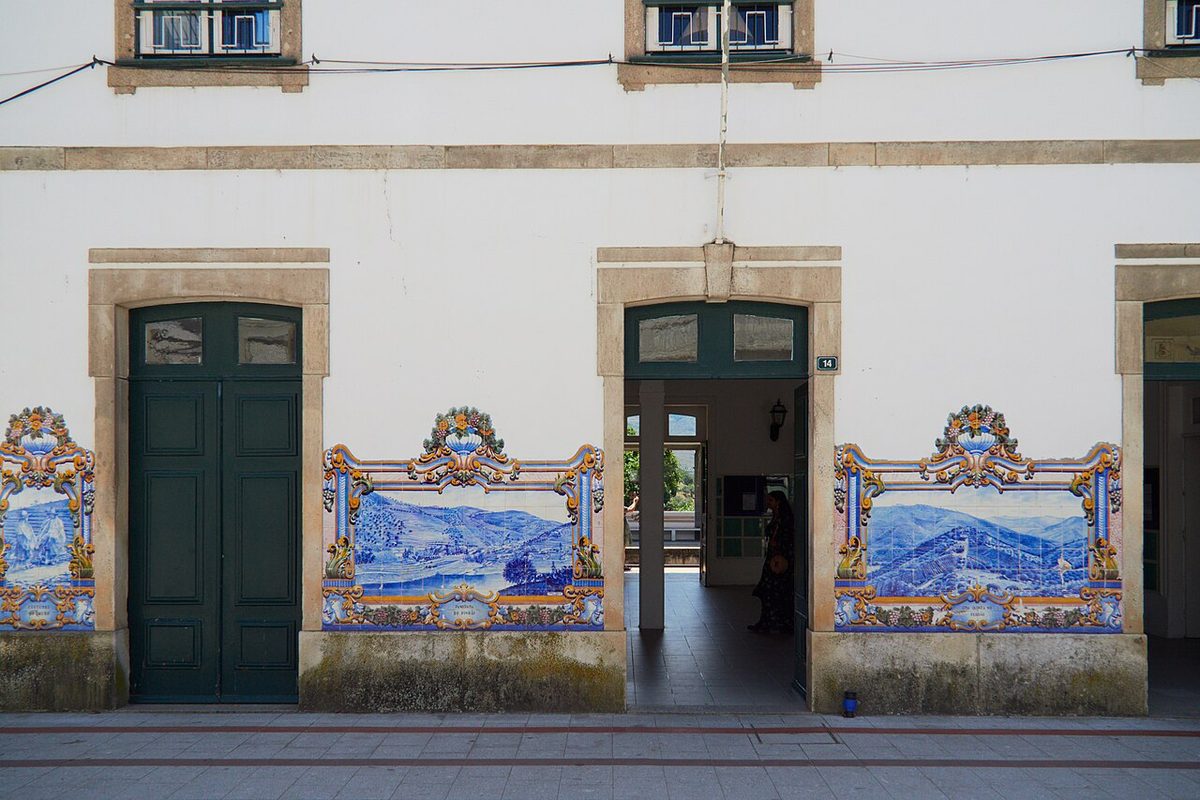
A small town at a bend in the river, and the natural base for a first visit. Its railway station is the attraction: the platform is lined with azulejo panels from 1937 showing the harvest, the boats and the terraces, and they are the single best introduction to what you are about to look at. Several quintas are within walking distance or a short taxi, and boats leave from the quay.
Verdict: small, walkable, entirely built around the wine trade, and the right place to sleep.
Peso da Régua
The transport hub of the valley, where the railway, the main roads and the river meet, and historically the point from which port was shipped downstream. It has the Museu do Douro, which is the best single explanation of the region’s history, and it is a working town rather than a scenic one.
Verdict: stop for the museum, sleep in Pinhão. Régua is where you change trains, not where you linger.
Lamego
Twelve kilometres south of Régua, a baroque town with a cathedral and, above it, the sanctuary of Nossa Senhora dos Remédios at the top of a monumental zigzag staircase of some six hundred steps, decorated with blue and white tiles, statues and fountains. Pilgrims climb it on their knees during the September festival. Lamego also produces a sparkling wine and a well-known smoked ham.
Verdict: the best half day off the river, and a genuine surprise for people who came only for wine.
The hill villages: Provesende, Favaios, Casal de Loivos
Up on the slopes above the river are granite villages that the wine money built and then left behind — Provesende with its manor houses and single bakery, Favaios known for a sweet Moscatel and a four-cornered bread, Casal de Loivos with what is probably the most photographed viewpoint in the valley. All need a car.
Vila Nova de Foz Côa
Far upstream in the Douro Superior, and the region’s least-known major sight. In the early 1990s, survey work for a dam uncovered thousands of Palaeolithic engravings pecked and incised into the schist along the Côa river — animals, mostly, some of them more than twenty thousand years old. The dam was cancelled after a public campaign, the valley became a UNESCO World Heritage site, and the engravings can be visited on guided tours in small four-wheel-drive groups, with a striking modern museum above the confluence.
Verdict: a long way from Pinhão and worth an overnight. It is the only place in Europe where you can see open-air Palaeolithic art in the landscape it was made in, and almost no wine visitor goes.
The valley beyond the wine
Two nights here is a lot of tasting, and there is more to do than most visitors realise.
Walking
Marked footpaths run between the villages and along the old terrace tracks, and several quintas have routes across their own land. The classic short walk is up from Pinhão to Casal de Loivos, which climbs steeply for about an hour and delivers the view that appears on most of the region’s publicity. Longer routes link the hill villages above the river. Take water, and do not walk the valley in the middle of a July afternoon.
On the water
Kayaks and small boats can be hired at Pinhão and Régua, and paddling a stretch of the flat water below the terraces is a genuinely good hour, particularly early when the surface is still. Some quintas have their own jetties and will collect visitors by boat, which is the most agreeable possible way to arrive at a tasting.
The viewpoints
The valley’s best moments are from above, and three viewpoints do most of the work. São Leonardo de Galafura, on the road above Régua, looks down a long stretch of river from a rocky outcrop. Casal de Loivos above Pinhão gives the classic bend with terraces on every slope. São Salvador do Mundo, further east, sits above the Cachao da Valeira, the gorge that was blasted open in the eighteenth century so that boats could pass at all.
The train onwards
The Linha do Douro does not stop at Pinhão. It continues east to Pocinho, through progressively emptier country, and that further stretch is quieter, wilder and almost entirely free of visitors. If you have a spare afternoon and like trains, staying on beyond Pinhão is the cheapest good decision available in the valley.
Eating in the Douro
Northern Portuguese cooking is heavy, meaty and cheap, and the valley adds its own specialities to the regional repertoire.
| Dish | What it is | Where |
|---|---|---|
| Posta à mirandesa | A thick steak from the Mirandesa cattle of the north-east, grilled plain | Anywhere with a charcoal grill |
| Bacalhau à Gomes de Sá | Salt cod baked with potato, onion, egg and olives | Invented in Porto, eaten all along the river |
| Presunto and cheese | Cured ham from Lamego and Chaves; sheep’s cheese from the Serra | Every tasting board |
| Four-cornered bread from Favaios | A dense village loaf that goes with the local Moscatel | Favaios, up on the hill |
| Douro red, not port | Dry, structured, from the same grapes on the same terraces | Order it at dinner |
Prices follow the rest of the country: a prato do dia with soup and a glass of wine runs €9–€15 in a village restaurant, and the estate restaurants attached to the larger quintas cost several times that (checked September 2026). The village version is usually the better meal.
Day trip or overnight?
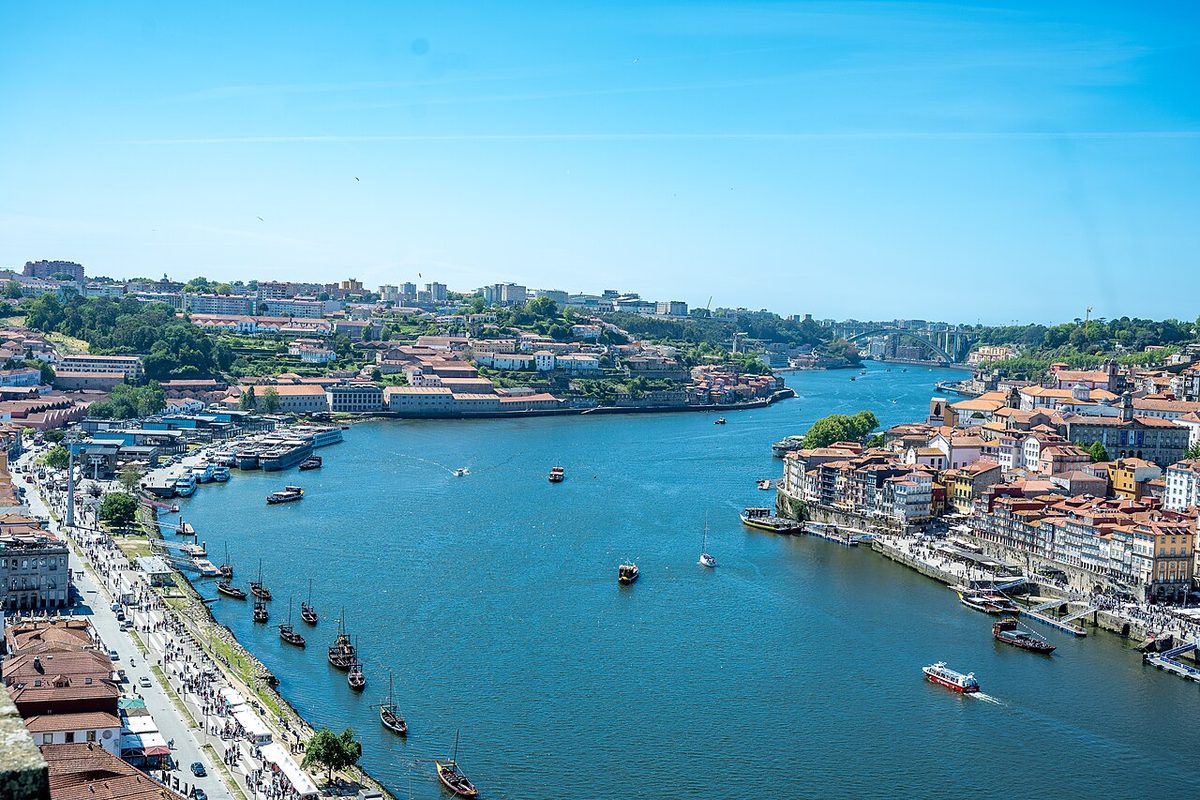
The honest answer is that a day trip works and an overnight is better, and the reason is the light.
The day trip — the 09:25 from São Bento, a few hours at Pinhão with a boat trip or a quinta visit, and the afternoon train back — gives you the train journey, which is the best part, and about four hours in the valley. It costs roughly €25 in fares plus whatever you spend, and it is a genuinely good day.
Two nights gives you something a day cannot: the terraces at dawn and at dusk, when the low sun rakes across them and the whole geometry of the place becomes visible. It also lets you visit a quinta without watching the clock, eat dinner on an estate terrace, and reach the viewpoints and villages above the river. If you are choosing between an extra night in Porto and an extra night in the Douro, take the Douro.
A two-night Douro plan that works
The valley rewards a plan more than most places, because the train is infrequent, the quintas need booking and the light is the whole point. This is the shape I would use.
| When | Plan | Note |
|---|---|---|
| Day one, morning | The 09:25 from Porto São Bento, right-hand side, to Pinhão | About 2h20 and roughly €12.45; arrive early enough to choose a seat |
| Day one, afternoon | Check in, then a booked quinta visit and tasting | Choose one within walking distance if you have no car |
| Day one, evening | Dinner by the river; a Douro red rather than a port | The terraces at dusk are the reason you stayed |
| Day two, morning | Walk up to Casal de Loivos for the view, or take a rabelo out on the water | An hour uphill, steep, and worth it before the heat |
| Day two, afternoon | A second quinta, or the drive to Lamego and the staircase | Lamego needs a car or a taxi |
| Day three, morning | Ride east to Pocinho and back, or take the train to Porto | The stretch beyond Pinhão is emptier and almost unvisited |
Two deliberate choices in that. The quinta visits are on separate days rather than stacked, which stops the afternoon becoming a drinking session and lets each one register. And the walking is done in the morning, because the valley is enclosed, holds heat, and regularly exceeds 35 °C on the terraces in summer with almost no shade.
If you only have the day trip, the same principles apply in miniature: earlier train, one thing booked, and lunch by the water rather than a rushed second quinta.
Where to stay
| Base | Why | Watch out for |
|---|---|---|
| Pinhão | On the river, in the best stretch, walkable, on the railway | Small; limited choice; books up in September |
| A working quinta | Terraces from your window, estate dinners, tastings on site | Usually needs a car; the good ones book months ahead |
| Peso da Régua | The transport hub; more choice and lower prices | A working town rather than a scenic one |
| Lamego | Baroque town, good food, off the wine circuit | Twelve kilometres from the river |
| Porto, day-tripping | Everything a city offers in the evening | You will never see the valley at dawn or dusk |
When to go
| Season | The valley | Verdict |
|---|---|---|
| March–May | Green, wildflowers, vines budding; quiet | Lovely and underrated; cool enough to walk |
| June–August | Hot — the valley traps heat and regularly exceeds 35 °C | Beautiful, and the middle of the day is punishing |
| September–early October | The vindima; estates working; the light turning | The best time to be here, by a distance |
| Late October–November | The terraces turn red and gold | The most photogenic weeks of the year; quiet |
| December–February | Bare vines, cold, many quintas closed | Only if you want the valley to yourself |
The autumn colour in late October and November is genuinely spectacular and almost entirely unvisited, because the wine tourists have gone home with the harvest. Our month-by-month guide to visiting Portugal has the wider climate picture.
What to skip in the Douro
The full-day coach-and-cruise package
Said above and worth repeating, because it is the most commonly booked thing here and the least good. Four hours on a bus, one on a boat, a set lunch, one quinta. The train costs about €12.45 each way and runs closer to the water than the road does.
Three quintas in a day
The tours are broadly similar and the marginal return collapses after the first. You will also be drinking fortified wine at eleven in the morning by the third one, which is a decision rather than an experience.
Régua as a destination
It has the Museu do Douro, which is good, and otherwise it is where the trains and roads meet. If your itinerary says “two nights in Régua”, change it to Pinhão or a quinta.
Driving after a tasting
Not a preference, a warning. The N222 and the estate access roads are narrow, steep and unforgiving, with drops and no barriers in places. Portugal’s drink-drive limit is lower than the UK’s, and the roads here punish inattention. Nominate a driver or take the train.
The lodges in Gaia, if you are also doing the valley
Not a waste — the Gaia lodges explain the ageing and the styles very well — but there is real overlap. If your trip includes two nights in the Douro with quinta visits, one lodge in Gaia is plenty and three is repetition. Our Porto guide covers how to choose a lodge.
What it costs
| Item | Cost | Note |
|---|---|---|
| Train, Porto to Pinhão | ~€12.45 one way | About two direct services a day (cp.pt, September 2026) |
| Quinta tour with tasting | Comparable to a Gaia lodge at €20–€30 | Premium and aged tastings cost considerably more |
| Short river trip from Pinhão | Modest; roughly an hour | Far cheaper than a full-day cruise |
| Lunch by the river | €9–€15 for a prato do dia | Estate restaurants cost several times that |
| Hire car, mid-season week | €180–€300 plus fuel and tolls | Worth it only if you want the roads and villages |
Prices checked September 2026. A day trip from Porto by train comes in around €25 in fares plus lunch and a tasting; two nights in the valley with a quinta stay is a different order of expenditure and is the one people say they would do again.
Practical notes
Book the quinta before the hotel. Estates that take visitors have limited slots, several do not open at weekends, and during the September harvest they are working. The hotel can almost always be found later; the tasting you actually wanted may not be there.
Cash still matters in the villages. The larger estates and the Pinhão restaurants take cards without difficulty. The village bakery in Favaios, the small bar at a viewpoint and the man selling almonds at the roadside may not.
Taxis are scarce and worth pre-arranging. There is no meaningful ride-hailing coverage in the valley. If you need to get from Pinhão station to a quinta on the hill, ask your accommodation to arrange it in advance rather than assuming a car will be waiting.
Mobile coverage is patchy in the deeper bends, which matters if you are relying on a phone for booking references or maps. Download what you need before you leave Porto.
Shipping wine home is easier than carrying it. Most estates will arrange it, and the cost only makes sense on the more expensive bottles — but a case of vintage in hold luggage is a risk you do not need to take.
The harvest changes everything for three weeks. Roads carry tractors, villages are full, accommodation is scarce and expensive, and the estates are at their most interesting and their least available. Book months ahead for September or accept that you are visiting a working factory at its busiest.
Frequently asked questions
What is the best way to visit the Douro Valley?
By train from Porto São Bento to Pinhão, about 2h20 and around €12.45 one way, taking the earlier of the two daily direct departures at roughly 09:25 and sitting on the right-hand side leaving the city (cp.pt, checked September 2026). It is cheaper than any organised alternative, runs closer to the river than the road, and leaves you free to choose your own quinta.
Can you do the Douro Valley as a day trip from Porto?
Yes, and a great many people do. The 09:25 train gets you to Pinhão for around midday, which allows a quinta visit or a river trip and lunch before the afternoon train back. What you miss is the valley at dawn and dusk, which is when the low sun across the terraces makes the place extraordinary. If you can manage two nights, do.
How many days do you need in the Douro Valley?
Two nights is the sweet spot: one full day for a quinta and the river, another for the viewpoints, the hill villages or Lamego. Three to five days lets you add the Douro Superior and the Foz Côa rock art. One day works as a train excursion from Porto and shows you the scenery rather than the region.
Do you need a car in the Douro Valley?
Not for a first visit based in Pinhão, where several quintas are within walking distance and the rest are a short taxi. A car is what you need for the N222, the hill villages of Provesende and Favaios, the viewpoints above the river, the estates on the upper slopes and the whole Douro Superior. The catch is obvious: quinta visits involve tasting, and these are not roads to drive afterwards.
When is the Douro Valley grape harvest?
Roughly mid-September into early October, varying by year and sub-region. It is the best time to visit: the estates are working, several run harvest experiences where visitors pick and tread grapes in the granite lagares, and the whole valley is busy in a way it is not for the other eleven months. Book well ahead.
Is the Douro Valley worth visiting if you don’t drink wine?
Yes, though it depends what you replace the tastings with. The train journey, the terraced landscape, the viewpoints, the Lamego staircase, the river trips and the Foz Côa Palaeolithic engravings all stand on their own. What you should not do is book a wine-focused day tour and then sit out the wine.
What is the difference between a port lodge and a quinta?
The lodges in Vila Nova de Gaia, opposite Porto, are where port is aged and sold — a practice going back to the eighteenth century, when the cooler riverside cellars were found to age the wine better than the hot valley. The quintas, up the valley, are where the grapes are grown and the wine is made. They explain different halves of the same story, and doing both is not repetition if you space them out.
Are Douro river cruises worth it?
A short trip from Pinhão or Régua, often on a converted rabelo, is an hour on the water in the best stretch of the valley and is well worth it. The fifty-minute six-bridges trip in Porto is a different thing and is also good. The full-day coach-and-cruise package from Porto is the one to avoid: two hours on a bus each way for an hour on a boat.
What should I order in the Douro?
A dry Douro red at dinner and a tawny after it. The region’s unfortified table wines have become its serious business over the last two decades and are made from the same grapes on the same terraces. White port with tonic and a slice of lemon is the local afternoon drink and is rarely on the tourist menu.
Where should I stay in the Douro Valley?
Pinhão for a first visit — on the river, walkable, on the railway and surrounded by quintas. A working quinta with rooms if you want the terraces from your window and can drive. Peso da Régua for more choice and lower prices at the cost of scenery. Avoid basing yourself in Porto if you can spare two nights.
How hot does the Douro get in summer?
Very. The valley is enclosed and traps heat, and July and August regularly exceed 35 °C on the terraces with almost no shade. The vines like it; visitors find the middle of the day punishing. If you come in high summer, do the walking and the viewpoints early and spend the afternoon on the water or in a cellar.
Is Foz Côa worth the detour?
If you have three days or more, yes. The Palaeolithic engravings along the Côa river are thousands of years old, were saved from a dam in the 1990s, and are visited on small guided four-wheel-drive tours from a museum above the confluence. It is a long way east of Pinhão and it is the only open-air Palaeolithic rock art site of its kind in Europe.
Is the Douro Valley better than the Gaia port lodges?
They answer different questions. The lodges explain how port is aged and how the styles differ, in half an hour, ten minutes from central Porto. The valley shows you where the grapes come from and what growing them on a forty-five-degree slope actually involves. If you have three days in the north, do one lodge and one quinta; if you have one, do the lodge; if you have two, take the train.
How far is the Douro Valley from Porto?
Pinhão is about 2h20 by train and roughly 1h45 by road, and the vineyards begin about an hour inland. Peso da Régua, the transport hub at the western end of the wine region, is closer again. The Douro Superior and Foz Côa are considerably further east and are an overnight rather than a day trip.
Can you swim in the Douro?
There are river beaches at several points along the valley with marked swimming areas, and locals use them through the summer. It is a dammed river with commercial traffic and currents near the locks, so swim where the signs say you may and not elsewhere. On a 35 °C afternoon on the terraces, it is a considerable relief.
What is the N222 and is it worth driving?
The stretch of the N222 between Peso da Régua and Pinhão — about twenty-seven kilometres of bends cut into the hillside above the river — is regularly named among the best driving roads in the world, and it lives up to it. It is narrow in places, slow, and shared with tractors during the harvest. Drive it in the morning, drive it before any tasting rather than after, and stop at the viewpoints rather than trying to look sideways.
Do quintas charge for tastings?
Almost all of them, and a standard tour with two or three wines is broadly comparable to a Gaia port lodge at €20–€30, with aged tawnies and vintage costing considerably more (checked September 2026). Some estates waive or discount the fee against a purchase. Free tastings are rare and are usually a shop counter rather than a visit.
Curious what to eat alongside the wine? Our Portuguese food and wine guide covers port, vinho verde and Portugal’s fourteen wine regions in full, plus 40 dishes to try region by region.
If the Douro is one day of a longer stay in Porto, spend another heading north instead of up the river a second time. Guimarães, Braga with Bom Jesus do Monte, and the vinho verde country around Ponte de Lima are all within about an hour, and our northern Portugal day-trip guide sets out which of them work by train and which need a hire car.
The N222 is one leg of a bigger drive. Our guide to road-tripping Portugal links it into longer routes through the interior and down the coast, with the tolls and driving times for each leg.
Where to go next
The valley is best combined with the city downstream. Our Porto guide covers the Ribeira, the Gaia lodges and how to choose between them, and our region-by-region guide to Portugal sets the north against the rest of the country.
For fitting the Douro into a longer route, our day-by-day itinerary hub builds it into seven, ten and fourteen-day plans and makes the case for two nights rather than a day trip. If you are also heading south, we have full guides to Lisbon, its day-trip belt and the Algarve, and our month-by-month guide explains why September is the month for this region in particular. And if the Douro leaves you wanting more landscape than city, the two obvious next steps are Madeira, which needs a week of its own, and the Algarve coast at the other end of the country.
Photo credits
- Terraced vineyards above a bend in the Douro near Samodães — Philip Sheldrake from London, UK, CC BY-SA 2.0, via Wikimedia Commons
- The 1937 azulejo panels on the platform at Pinhão station — lumoplank, CC0, via Wikimedia Commons
- A regional train on the Linha do Douro above the river — Gerry Labrijn from London, UK, CC BY-SA 2.0, via Wikimedia Commons
All fares, timetable details and prices were checked in September 2026 on cp.pt and the operators’ own sites and will change. The Douro line’s timetable is sparse enough that a single alteration changes the shape of a day trip, so confirm departures before you travel. Last updated: 19 September 2026.