Porto gets written up as the cheaper, grittier alternative to Lisbon, which is both lazy and wrong. It is a smaller city with a denser centre, a better river, a working port-wine trade that has been shipping since the seventeenth century, and a food culture that is genuinely regional rather than national. It is also steeper than Lisbon, wetter than Lisbon, and much easier to see badly, because almost everything worth doing sits in a two-kilometre bowl and the temptation is to tick it off in a day.
The short answer: the essential things to do in Porto are the Ribeira waterfront and both decks of the Dom Luís I bridge, one port lodge tour across the river in Gaia, the tiled hall of São Bento station, and a day up the Douro valley by train. Two full days covers the city. Three is right. Four lets you add the coast.
Below is the city organised the way you will walk it — river first, then the hill, then the neighbourhoods most visitors never reach — with times, costs, an honest verdict on each, and a section on what I would now leave out. Prices were checked in September 2026 against the operators’ own sites, and where sources contradict each other I have printed both figures rather than quietly picking one.
Porto at a glance: the city in six parts
Porto proper has about 230,000 people and the metropolitan area roughly 1.7 million, but the tourist city is small: from the cathedral to the river is a ten-minute walk downhill and a twenty-five-minute climb back. The river Douro splits it from Vila Nova de Gaia on the south bank, which is a separate municipality and where every single port lodge is. Crossing between them is half the pleasure of being here.
| Area | What it is for | Time needed | Rough cost | Verdict |
|---|---|---|---|---|
| Ribeira & the riverfront | The postcard, the bridges, boat trips | Half day | Free to walk; cruise extra | Beautiful and thoroughly touristed — go early or late |
| Vila Nova de Gaia | Port lodges, tastings, the best view back at Porto | Half day | €20–€30 a tour with tasting | Do exactly one lodge properly, not three |
| Baixa & Aliados | São Bento, Clérigos, Lello, Bolhão market, cafés | Full day | Small entry fees | The densest sightseeing in the city |
| Cedofeita & Miguel Bombarda | Galleries, independent shops, young restaurants | Half day | Free to browse | Where Porto stops performing for visitors |
| Foz & the Atlantic | Sea, promenade, sunset, tram 1 | Half day | Tram fare plus dinner | The best late afternoon in Porto |
| Matosinhos | Grilled fish, surf beach, market | Half day | €15–€25 a head to eat | The best fish within a metro ride of any Portuguese city |
The pattern to notice: Porto’s good hours are early and late. The Ribeira between 11:00 and 17:00 in July is a crush; at 08:30 it is fishermen and delivery vans, and at 21:00 it is locals. Build the day around that and the city changes character entirely.
For how Porto fits into a longer route, our region-by-region guide to Portugal compares it with the Algarve, the Alentejo and the islands, and our Lisbon guide covers the capital in the same detail.
The things to do in Porto that earn a whole day
Strip out everything optional and four things remain: the river and its bridges, one port lodge, the Baixa hill with its stations, churches and bookshop, and a day on the Douro. Everything else in this guide is a good way to spend an hour, not a reason to extend the trip.
The Ribeira and the working river
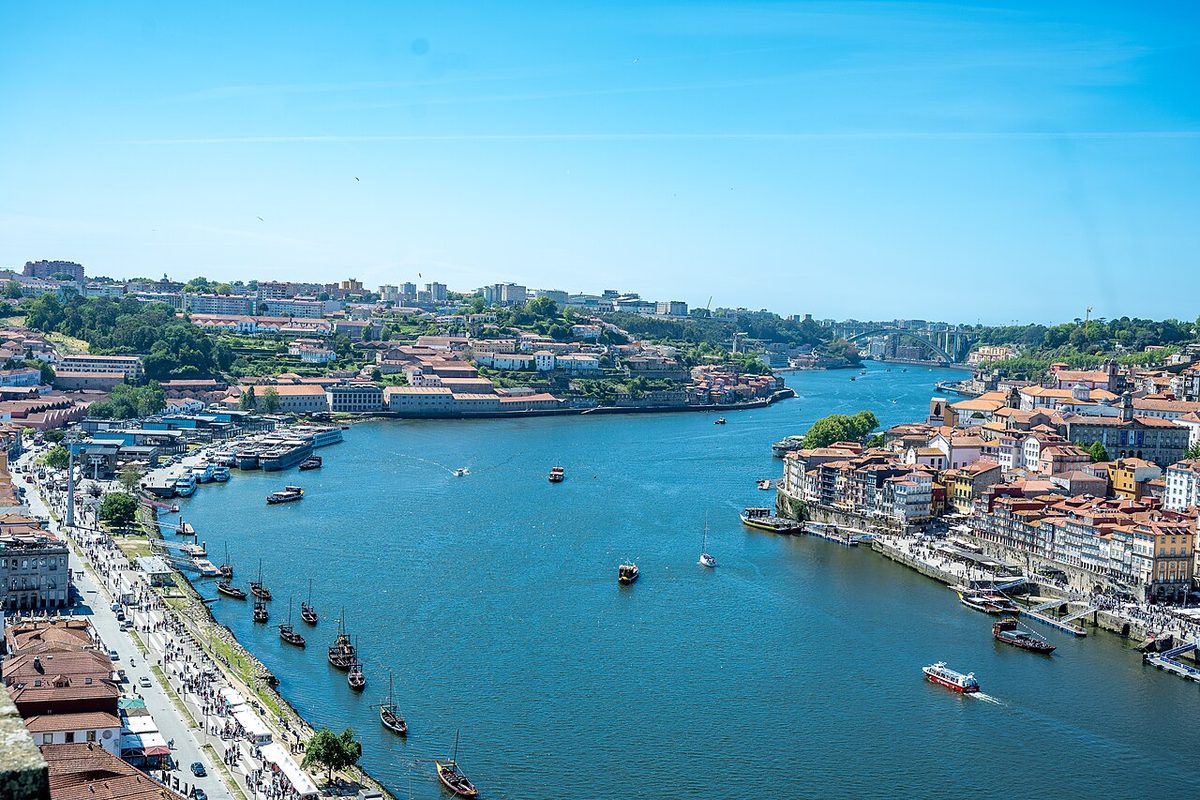
The Ribeira is the medieval quay: six-storey houses in flaking ochre and blue stacked up the slope, arcades at water level, laundry on the balconies above restaurants with laminated menus. It is a UNESCO World Heritage site and it is also, at peak hours, a bottleneck of promenading visitors. Come at dawn or after nine at night and it is one of the most atmospheric waterfronts in Europe.
Behind the front row, the lanes climbing to the cathedral — Rua dos Canastreiros, Escadas do Codeçal — are where the actual neighbourhood lives, and almost nobody walks up them.
Cost: free. Time: two hours to walk it properly, including the climb. Verdict: unmissable, and worth visiting twice at different hours to see both versions of it.
The Dom Luís I bridge, both decks
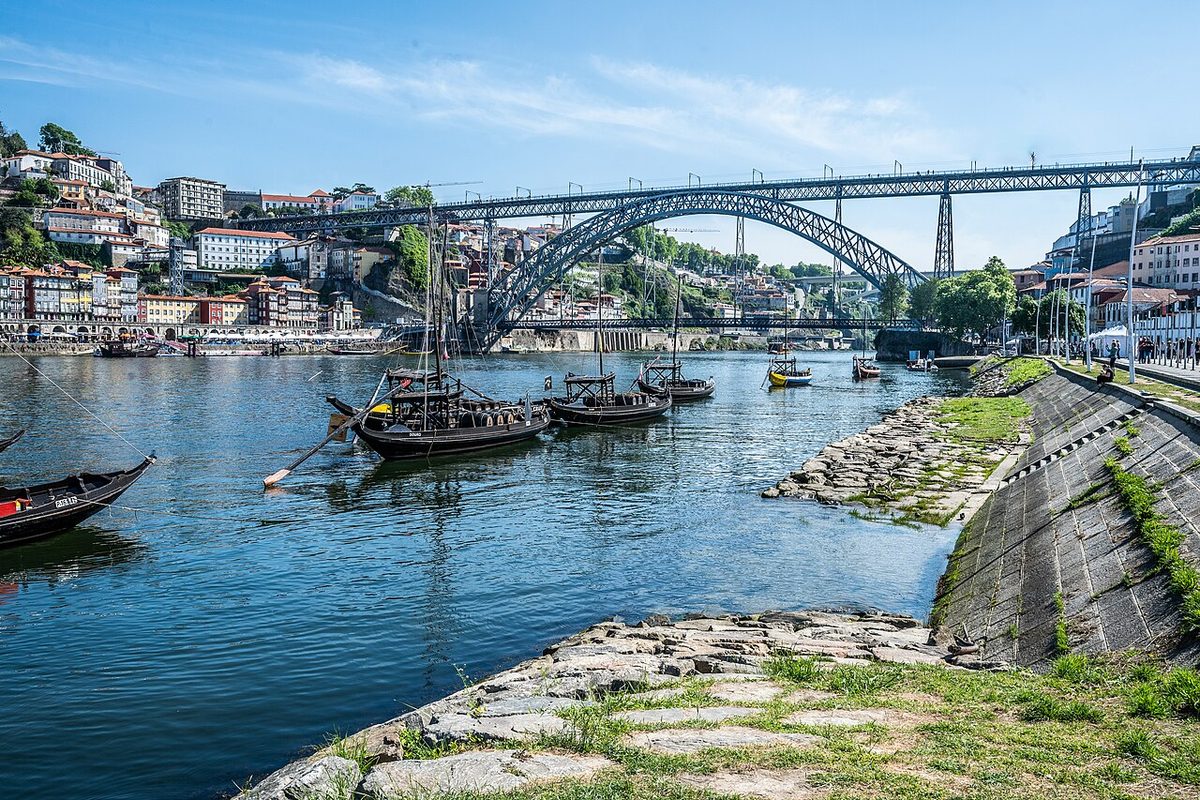
Two levels, two completely different experiences, and most visitors only do one. The lower deck carries road traffic and a pavement at water level, connecting the Ribeira to the Gaia quayside — that is the one you cross to reach the port lodges. The upper deck, 45 metres up, carries the metro and a walkway, and the view from the middle of it, downriver over the tiled roofs with the rabelo boats below, is the single best free thing in Porto.
The double-arched iron structure was built in 1886 by Téophile Seyrig, who had earlier worked with Gustave Eiffel on the neighbouring Maria Pia railway bridge — which is why people persistently and incorrectly credit Eiffel with the Dom Luís.
Cost: free. Time: 20 minutes each way. Verdict: cross the top deck at sunset and the bottom one in the morning. If you have vertigo, the upper walkway is exposed and the metro passes close; there is no shame in taking the cable car instead.
Six-bridges cruises, and whether they are worth it
The fifty-minute rabelo-replica cruise that leaves constantly from both banks takes you under all six of Porto’s bridges and back. It is cheap, it is short, and the commentary is usually a recording in four languages. What you get is the city from the water, which is the angle it was built to be seen from.
Verdict: worth it once, and best in the late afternoon when the light is on the Ribeira facades. Do not confuse it with the full-day Douro valley cruises, which are a different proposition entirely and covered further down.
The Gaia cable car
A short gondola running from the upper deck of the bridge down to the Gaia quayside, at roughly €7 one way (checked September 2026). It solves a real problem — the drop between the bridge’s top deck and the lodges is steep — and gives you a slow, high view over the lodge rooftops and their painted brand names.
Verdict: take it downhill, walk back up over the bridge. Buying the return doubles the cost for a view you have already had.
Port wine in Vila Nova de Gaia
Every port house in the world stores and ages its wine on the Gaia bank of the Douro, opposite Porto, in long low buildings called lodges with the brand names painted on the roofs. This is not a tourist arrangement; it is a trade practice going back to the eighteenth century, when the cooler, damper riverside cellars were found to age the wine better than the hot valley where the grapes grow.
What port actually is, in one paragraph
Port is a fortified wine: grape spirit is added part way through fermentation, which stops the yeast, leaves sugar in the wine and pushes the alcohol to around 20%. Everything else is a question of how it was aged. Ruby styles age in large vessels with little oxygen and stay fruity and dark — vintage port is the top of this family, bottled after two years and expected to age for decades. Tawny styles age in smaller barrels with air contact, going amber and nutty; a 10, 20 or 40-year tawny is a blend whose average age matches the number. White port exists and, served long with tonic and a slice of lemon, is the drink Porto actually consumes on a hot afternoon.
Choosing a lodge
There are more than a dozen open to visitors, from the enormous and slick to the small and family-run. A standard guided tour with a tasting of two or three wines runs €20–€30 (checked September 2026); premium tastings with aged tawnies and vintage cost considerably more. The tours are broadly similar — cellar, barrels, history, glass — so choose on scale rather than brand: the big houses do polish and English-language slots every twenty minutes, the small ones do a person who actually makes the wine talking to eight of you.
Verdict: one lodge, booked ahead for a specific time, ideally the last tour of the afternoon so you finish on a terrace looking back at Porto in the evening light. Three lodges in a day is a way to learn nothing three times and lose the afternoon.
How to taste, and what to bring home
A tasting flight normally runs white, then ruby or LBV, then a tawny, and the useful discipline is to work out which of the two families you actually like before you buy anything. Most visitors arrive assuming they will prefer vintage — dark, expensive, prestigious — and leave preferring a 20-year tawny, which is lighter, nuttier, served cool and rather more drinkable on an ordinary evening.
Three practical notes the lodges do not always volunteer. A bottle of tawny keeps for weeks after opening because it has already spent decades in contact with air; a vintage, once opened, is finished within a day or two. Prices in the lodge shops are usually no better than in a Porto supermarket for the standard ranges, and often worse — the aged and single-quinta bottles are where the lodge is genuinely worth buying from. And if you are flying home, the duty-free allowance and the risk of a bottle breaking in hold luggage are both real; the lodges will ship, at a price that only makes sense for the expensive bottles.
The other thing worth drinking here is not port at all. The Douro produces excellent unfortified red wine — dry, structured, made from the same grapes on the same terraces — and it is poured by the glass all over Porto for a fraction of what equivalent quality costs from Bordeaux or Barolo.
Lodges or quintas?
The lodges in Gaia are where port is aged and sold. The quintas, up the valley, are where it is grown and made. They are not substitutes for one another, and the distinction shapes your trip: if you want to understand the wine, do a lodge in Gaia on your city days; if you want to understand the place, spend a day in the Douro and visit an estate there, ideally during the September harvest when the presses are running and some quintas will let visitors tread.
Verdict: do both if you have three days. With two, the Gaia lodge is the efficient choice and the valley is the thing worth coming back for.
WOW and the Gaia hilltop
WOW — World of Wine — is a large cultural complex above the lodges with several museums, restaurants and a public square, built on the site of old cellars. The wine museum is decent, the cork museum is better than it sounds, and the terraces have the best sit-down view of Porto anywhere. It is also a mall in structure, and easy to spend three hours in without learning much.
Verdict: good for a rainy afternoon or with teenagers; skip it if your time is short and you have already done a lodge.
The Baixa hill: stations, towers and one very famous bookshop
The upper town is where Porto keeps its granite showpieces. It is compact and it is uphill; a sensible route runs São Bento, Clérigos, Lello, Carmo, then downhill through the Bolsa to São Francisco and the river.
São Bento station
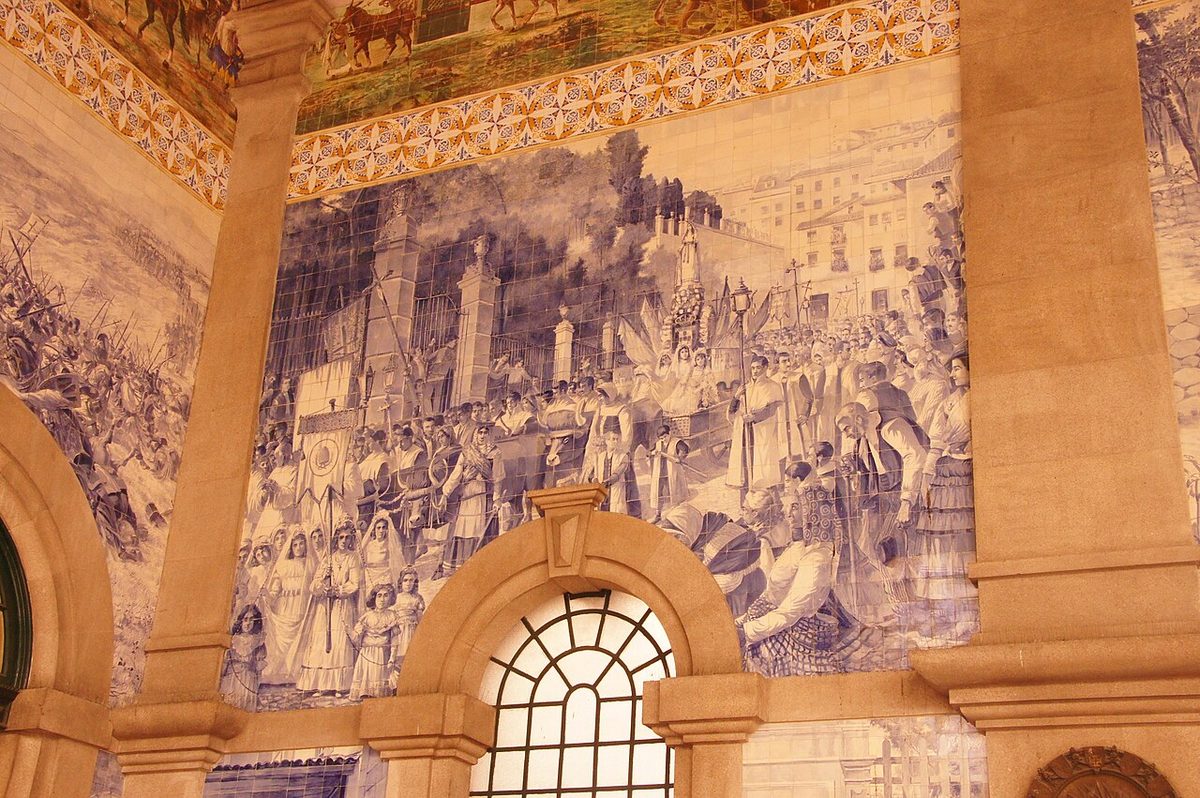
The entrance hall of the working railway station is lined with roughly 20,000 azulejo tiles laid between 1905 and 1916 by Jorge Colaço, depicting Portuguese battles, royal processions and rural life. It is free, it takes ten minutes, it is open whenever trains run, and it is one of the finest interiors in the country.
Verdict: go twice — once when you arrive, once at 08:00 when it is empty and the light comes through the west windows. This is also where you catch the Douro line train, so you will be back anyway.
Torre dos Clérigos
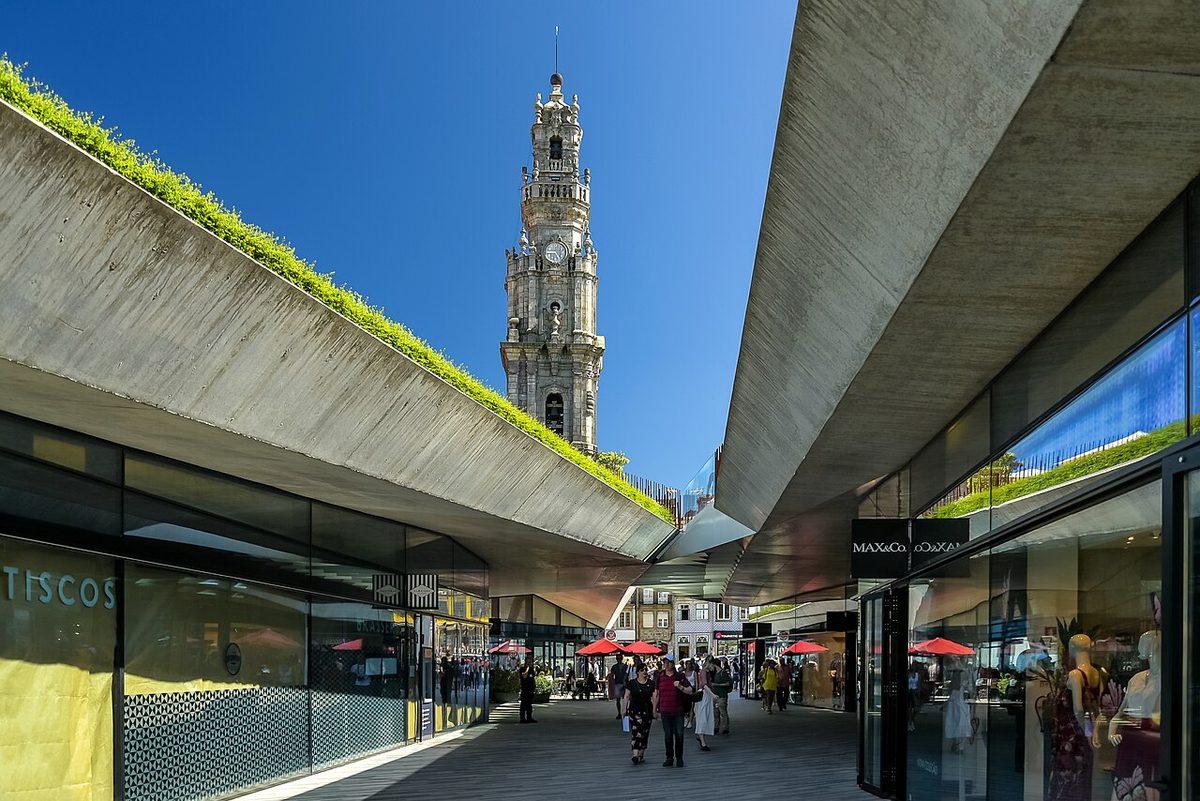
The baroque bell tower is 75 metres tall, was the tallest structure in Portugal when it was finished in 1763, and has 240 steps to a gallery with a 360-degree view over the whole bowl of the city. The staircase is narrow and two-way. The church attached at the bottom, by the same architect, is oval and worth five minutes.
Time: 45 minutes with the queue. Verdict: the best paid view in Porto, but only if you can manage the stairs and the confined space. Book a timed slot in summer.
Livraria Lello, and the ticket confusion
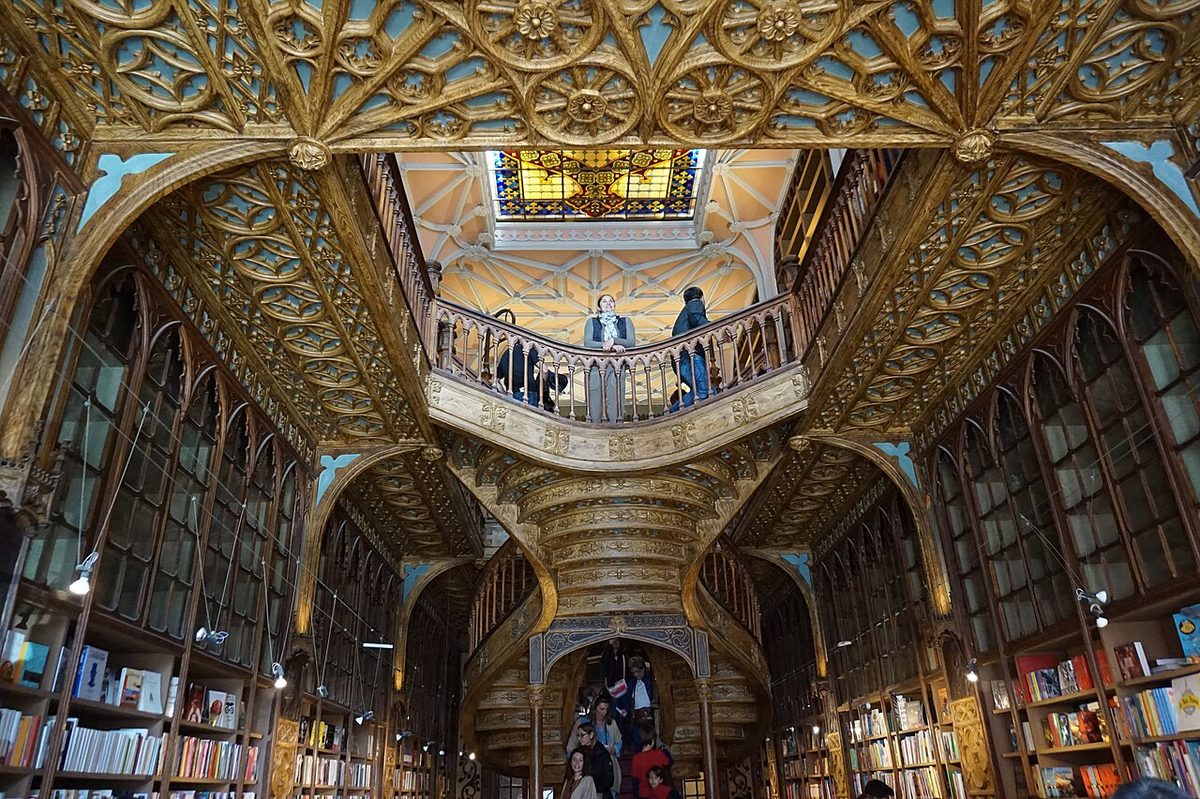
The 1906 bookshop with the crimson forked staircase and the stained-glass ceiling is beautiful, genuinely historic, and now sells a timed entry voucher because it was being overwhelmed by people photographing it and buying nothing. The voucher is redeemable against a book.
Pricing, checked September 2026 — and the sources disagree. Some sellers list a “silver” ticket at €8 and a “gold” at €16; others list €10 and €15.95 for what appear to be the same two tiers. That is a real discrepancy rather than a typo on someone’s part, so check the shop’s own site on the day you plan to go and treat any figure in a guide, including this one, as indicative. The walk-up queue routinely runs 30–60 minutes between April and October.
Verdict: worth it if you like books and buy one, so the voucher becomes a discount rather than an admission fee. Not worth an hour in a queue for a photograph. And the widely repeated claim that J.K. Rowling drew Hogwarts from this staircase while teaching in Porto is unconfirmed by the author, so enjoy the shop for what it is.
The Sé, the Bolsa and São Francisco
Porto’s cathedral is a fortified twelfth-century Romanesque block with a later Gothic cloister lined in blue tiles, standing on the highest terrace in the old city with a large free viewing platform in front of it. The Palácio da Bolsa is the nineteenth-century stock exchange, and its Arabian Hall — a Moorish-revival fantasy in gold — is guided-tour only and genuinely dazzling. The Igreja de São Francisco, five minutes downhill, is a plain Gothic shell whose interior was later covered in something like 300 kilograms of gilded carving, and there is an ossuary in the crypt.
Verdict: if you only do one interior, make it São Francisco. If you do two, add the Bolsa’s Arabian Hall. The cathedral itself is more impressive from outside than in, but the terrace view is free and excellent.
Bolhão market
The city’s historic produce market reopened after a long restoration and is now a clean, bright two-level hall with fishmongers, greengrocers and cheese counters downstairs and food stalls above. Purists complain it lost its rough charm; it also kept most of its traders, which is more than can be said for a lot of restored markets.
Verdict: go in the morning when the produce side is trading, not in the evening when only the eating side is open.
Granite and tile: how Porto is actually built
Porto is a granite city with a tile skin, and once you notice the combination you cannot stop seeing it. The structure — churches, quays, staircases, window surrounds — is grey northern granite, quarried locally, heavy and permanently slightly damp. Over it, from the nineteenth century onwards, the city applied azulejos: glazed tile cladding that shed the Atlantic rain, kept the interiors dry, and let a modest house front look expensive.
The tiled churches
Four are worth the detour, all free or nearly so. The Capela das Almas on Rua Santa Catarina is sheathed entirely in blue and white panels showing the lives of Saint Francis and Saint Catherine — and, unusually, the tiles were laid in 1929 in deliberate imitation of eighteenth-century work. Igreja do Carmo has an enormous tiled side wall best seen from across the street; next to it, separated by what is claimed to be one of the narrowest houses in the world, stands the older Igreja dos Carmelitas. Santo Ildefonso, at the top of Rua Santa Catarina, carries 11,000 tiles by Jorge Colaco — the same artist who did Sao Bento.
Verdict: string all four together with the Bolhao market into a two-hour morning walk. It costs almost nothing and it is the most characteristically Porto thing you can do.
The miradouros
Porto’s viewpoints are less famous than Lisbon’s and better positioned, because there is a river with a bridge across it to look at. The Jardim do Morro, at the Gaia end of the upper deck, is a grass slope full of people watching the sun go down behind the Ribeira, and it is free. Above it, the Serra do Pilar monastery has a circular cloister — genuinely circular, which is rare — and a terrace with the definitive view of the bridge. On the Porto side, the Miradouro da Vitoria looks down over the roofs of the old Jewish quarter, and the cathedral terrace gives you the whole bowl of the city at once.
Verdict: Jardim do Morro at sunset with a bottle from the kiosk is the most enjoyable free hour in Porto, and the metro takes you straight back over the bridge afterwards.
A short history that explains what you are looking at
Four facts about Porto’s past do more to make sense of the city than any amount of monument-by-monument description, and none of them takes long to tell.
The country is named after the city, not the other way round. The Roman settlement at the river mouth was Portus Cale — the port of Cale — and the name spread first to the county around it and then to the kingdom that county became. Every time you say “Portugal” you are saying “Porto” with a suffix.
The port trade is an English invention as much as a Portuguese one. When war with France cut off Bordeaux in the late seventeenth century, English merchants went looking for wine elsewhere and found the Douro. The wine did not survive the sea voyage, so they fortified it with grape spirit; that is the whole origin of port as a style. The 1703 Methuen Treaty locked in preferential duties, English firms set up in Gaia, and the names on the lodge roofs — Taylor, Graham, Sandeman, Croft, Cockburn — are the fossil record of that arrangement. The Douro was formally demarcated in 1756 to stop the adulteration that followed, making it the oldest protected wine region in the world.
Porto’s nickname is about tripe, and it is a boast. Residents are tripeiros, tripe-eaters. The story runs that when Henry the Navigator’s fleet was provisioned in Porto for the assault on Ceuta in 1415, the city gave up all its meat to the ships and kept only the offal, and has eaten it ever since. Whether or not that is literally true, tripas a moda do Porto is on menus for a reason, and ordering it is read as a compliment.
The nineteenth century is why the city looks like this. The granite-and-tile Porto most visitors photograph — Sao Bento, the Bolsa, Clerigos’ surroundings, the tiled house fronts, the iron bridges — is largely Victorian-era, built on the money that came out of Brazil and the wine trade. The medieval city is underneath and around it, in the Ribeira lanes and the cathedral, but the postcard is mostly 1850 to 1910. That is also why the ironwork and the azulejo cladding are everywhere: both were industrial products the city could suddenly afford at scale.
Hold those four things in mind and the walk from Sao Bento down to the river stops being a list of sights and becomes one continuous argument about trade, wine and money.
Beyond the postcard: Cedofeita, Bonfim, Foz and Matosinhos
Two days in the Baixa and Ribeira give you a Porto that is almost entirely composed of visitors. These four areas are where the city keeps its ordinary life, and three of them are ten minutes away.
Cedofeita and Rua Miguel Bombarda
Porto’s gallery street, where a dozen contemporary art spaces open new shows simultaneously several times a year and the whole street turns into a party. The surrounding blocks hold independent record shops, vintage clothing, small design studios and the kind of restaurants that have twelve covers and one menu. Rua das Flores and Rua de Cedofeita are the walking spines.
Verdict: a half day, and the best antidote to Ribeira fatigue.
Bonfim
East of the centre, still largely residential, with tiled house fronts, cheap tascas and a rapidly growing number of small bars. It is what Cedofeita was ten years ago and it is where a lot of the interesting new cooking has moved.
Foz do Douro and tram 1
Where the Douro finally reaches the Atlantic, six kilometres downstream. Tram 1 — a genuine wooden 1930s tram, not a tourist replica — runs along the riverbank from near the Ribeira to Foz in about twenty minutes, and it is the most pleasant public transport journey in northern Portugal. At the end there is a lighthouse, a rocky shore, a long promenade and a row of seafood restaurants.
Verdict: take tram 1 out in the late afternoon, walk the promenade, eat, come back by bus. Better than any organised tour in the city.
Matosinhos
One metro line north, a working fishing port with a beach, a surf school culture and a street of restaurants that grill fish on charcoal on the pavement outside. This is where people from Porto go to eat fish, which is the only recommendation that matters.
Cost: €15–€25 a head for grilled fish, salad, potatoes and wine (checked September 2026). Verdict: the best-value serious meal in the Porto area.
Eating and drinking in Porto
Northern Portuguese cooking is heavier, meatier and cheaper than what you get south of Coimbra. It also rewards ordering badly on purpose: the dishes that sound worst are usually the best.
| Dish | What it is | Typical price | Verdict |
|---|---|---|---|
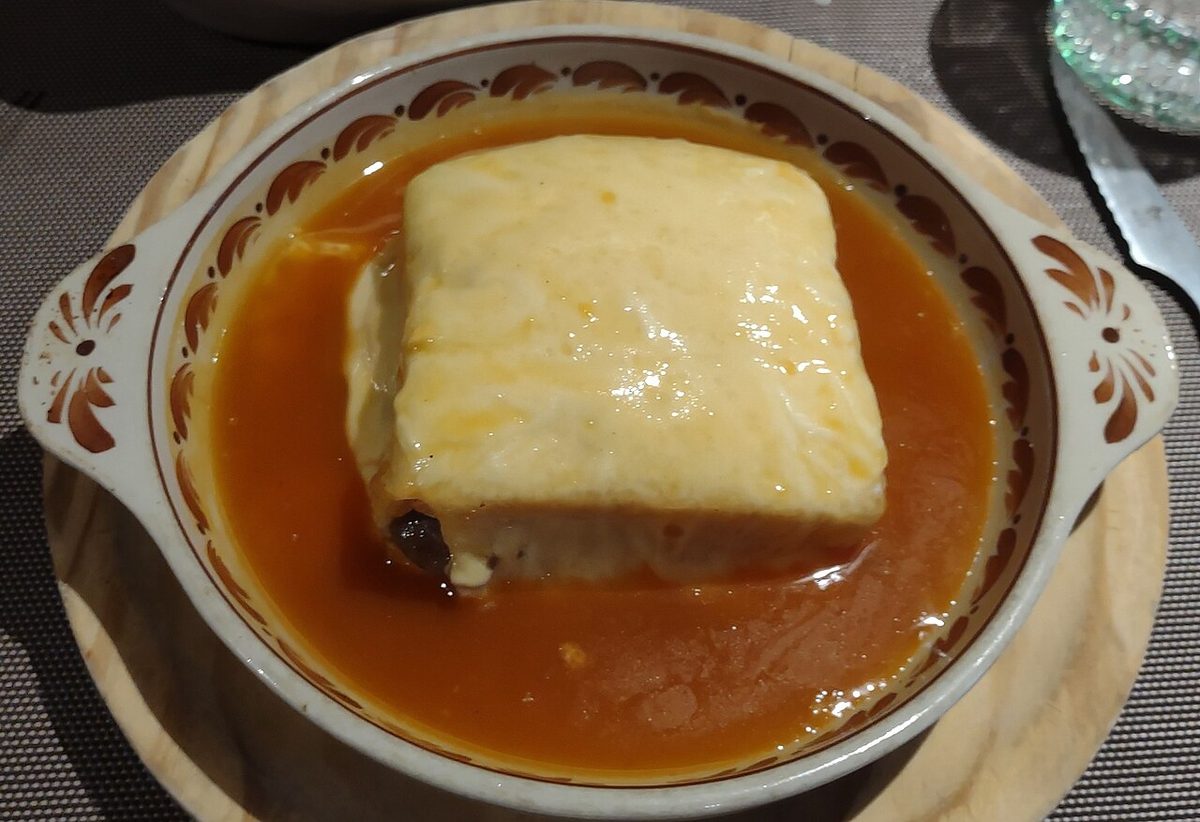
| Francesinha | Layered meat sandwich under melted cheese in a beer-and-tomato sauce | €10–€15 | A serious commitment; share one first |
| Tripas à moda do Porto | Tripe and white bean stew with chouriço | €10–€14 | Better than it sounds; the city’s own dish |
| Bacalhau à Gomes de Sá | Salt cod baked with potato, onion, egg and olives | €11–€15 | Invented in Porto; order it here |
| Cachorrinho | Thin spiced sausage roll, pressed and cut into fingers | €4–€6 | The city’s late-night food |
| Grilled fish, Matosinhos | Whatever came in that morning, on charcoal | €15–€25 | The best meal in this guide |
| Vinho verde | Young, faintly fizzy white from just north of here | ~€10 a bottle in a shop | The correct lunchtime wine |
Prices checked September 2026. The everyday rules are the same as elsewhere in Portugal: a bica at the counter costs €0.80–€1.20, the prato do dia at lunch runs €9–€15 with soup and a glass of wine, and the couvert — bread, olives, little dishes — costs €2–€5 and can be sent back untouched.
Porto’s own coffee culture deserves a mention. The city has a run of grand early twentieth-century cafés, of which the Majestic on Rua Santa Catarina is the famous one and charges accordingly. The Café Guarany and a dozen unnamed neighbourhood places do the same coffee for a fifth of the price, standing up, which is how it is meant to be drunk.
Art, architecture and the modern city
Porto has two internationally significant modern buildings, both by architects who won the Pritzker Prize, and they sit at opposite ends of the city.
Serralves
A contemporary art museum by Álvaro Siza set in eighteen hectares of park, with an art deco pink villa at the other end of the grounds and a treetop walkway added more recently. The art rotates; the park and the building are the constants and are worth the trip on their own.
Time: half a day. Verdict: the best museum in northern Portugal, and the grounds justify the entry even if the current show is not to your taste.
Casa da Música
Rem Koolhaas’s concrete polyhedron on a travertine plaza, opened in 2005, with a main hall glazed at both ends so the city is visible behind the orchestra. Guided tours run daily and take you into rooms you would never otherwise see, including a rehearsal space tiled entirely in gold-printed plywood.
Verdict: take the tour even if you are not going to a concert; the interior is the point and it is nothing like the outside suggests.
Day trips from Porto
Porto’s day-trip range is the best in northern Portugal, and one of them — the Douro — is arguably the reason to come to this part of the country at all.
| Destination | Getting there | Time | Best for | Verdict |
|---|---|---|---|---|
| Douro valley (Pinhão) | Train from São Bento, ~2h20 | Full day | Terraced vineyards, quintas, the river | The best train journey in Portugal |
| Guimarães | Train, ~1h10 | Full day | Castle, palace, medieval centre | Where Portugal was founded; genuinely lovely |
| Braga | Train, ~1h | Half to full day | Baroque churches, Bom Jesus stairway | Best at Easter; otherwise pair with Guimarães |
| Aveiro & Costa Nova | Train, ~1h10 | Full day | Canals, striped houses, salt pans | Charming, small, overrated as “Portuguese Venice” |
| Passadiços do Paiva & 516 Arouca | Car or organised transfer, ~1h | Full day | 8 km of river walkway, suspension bridge | The best active day out from Porto |
| Peneda-Gerês | Car, ~1h30 | Full day or overnight | Portugal’s only national park | Needs a car and deserves two days |
The Douro by train
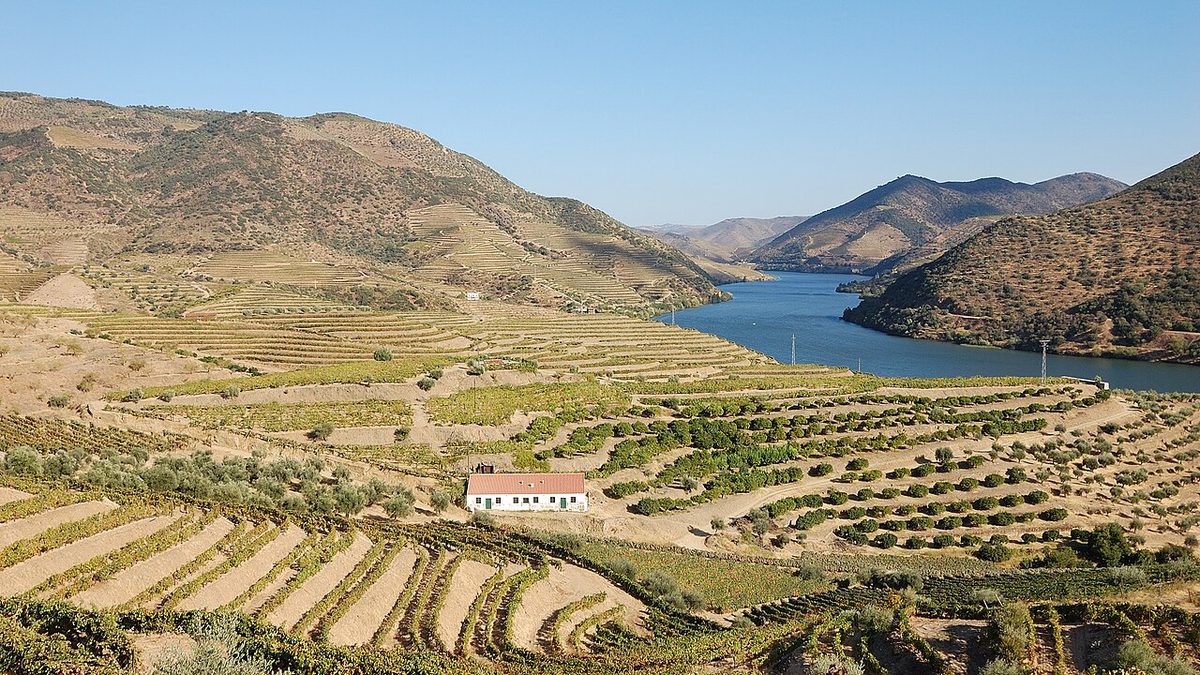
The Linha do Douro leaves São Bento and follows the river east into the oldest demarcated wine region in the world — demarcated in 1756, which predates Bordeaux’s classification by a century. The stretch from Régua to Pinhão, where the line runs at water level below terraced schist vineyards, is the part people photograph.
Practicalities, checked September 2026 on cp.pt: Porto São Bento to Pinhão takes about 2h20 and costs around €12.45 one way, but there are only about two direct regional services a day, leaving roughly 09:25 and 13:25. Take the earlier one. Sit on the right-hand side leaving Porto for the river views.
Verdict: the single best day trip in Portugal, and cheaper than any organised tour by a factor of five. The alternative — a full-day coach and cruise package — costs far more and puts you on a bus for two hours each way. Take the train, walk out of Pinhão station past its tiled panels, and book a quinta visit in advance if you want a tasting.
Guimarães and Braga
Guimarães is where Afonso Henriques was born and where the county that became Portugal was first governed, which is why a wall in the old town reads “Aqui nasceu Portugal”. The castle is small and severe, the Ducal Palace next to it is a heavily restored medieval fantasy, and the historic centre in between is a UNESCO site of squares and wooden-balconied houses. Braga, twenty minutes further, is Portugal’s religious capital and holds the Bom Jesus do Monte sanctuary, a baroque zigzag stairway climbing a wooded hill, served by a water-counterweight funicular running since 1882.
Verdict: Guimarães if you pick one. Both in a day is possible by train and rushed.
Aveiro, Costa Nova and the salt pans
An hour south by train, Aveiro sits on a lagoon and is built around three short canals worked by moliceiros — flat, high-prowed boats originally used to harvest seaweed for fertiliser, now painted in bright and frequently obscene cartoons and used for tourist rides. The city has a good run of art nouveau frontages along the main canal and one genuinely excellent local speciality, ovos moles: sweetened egg yolk in a thin wafer shell, moulded into shells and fish.
The better half of the day is outside the city. Costa Nova, twenty minutes away by bus, is a row of fishermen’s houses painted in vertical stripes of red, blue and green against white, facing the lagoon on one side and the Atlantic on the other. Between the two, the salt pans are still worked by hand, and some of them let you walk the banks.
Verdict: a good day out, undersold by the “Venice of Portugal” line that sets up an expectation three canals cannot meet. Go for Costa Nova and the ovos moles.
Peneda-Geres
Portugal’s only national park, ninety minutes north-east in the mountains along the Spanish border, holds granite villages, Roman road markers, waterfalls with swimming holes below them, semi-wild garrano ponies and long-horned barrosa cattle. It effectively requires a car — the public transport there is designed for residents rather than walkers — and it deserves an overnight rather than a dash.
Verdict: the best landscape within reach of Porto and the hardest to do properly in a day. With a car and two days, go. With neither, the Paiva walkways deliver a version of the same pleasure inside a single organised day.
Passadiços do Paiva and the 516 Arouca bridge
Eight kilometres of timber walkway pinned to the gorge of the river Paiva, ending at what was until recently the longest pedestrian suspension bridge in the world at 516 metres. A combined same-day ticket costs €12, is sold online only at 516arouca.pt with a daily cap, and there are no on-site sales (checked September 2026). Walk it from Areinho for the downhill direction.
Verdict: the best physical day out from Porto, and the ticket cap means it never feels crowded. Book early for weekends.
A three-day Porto plan that works
Sequenced rather than listed, and built on two rules: the river is best at the ends of the day, and you should not climb the Baixa hill more than once in twenty-four hours.
| Day | Morning | Afternoon | Evening |
|---|---|---|---|
| One | Sao Bento at 08:30, then the Baixa hill: Clerigos, Lello, the tiled churches, Bolhao | Downhill through the Bolsa to Sao Francisco and the Ribeira | Upper deck of the bridge at sunset; dinner one street back from the quay |
| Two | Cross the lower deck to Gaia; one port lodge, booked, mid-morning | WOW or the Serra do Pilar cloister, then the cable car down | Jardim do Morro for the sunset, late dinner in Cedofeita or Bonfim |
| Three | The early train from Sao Bento up the Douro to Pinhao, right-hand side | A quinta visit, or lunch by the river at Pinhao | Back into Sao Bento; francesinha, shared, if you have not yet |
| Optional four | Tram 1 along the river to Foz | Promenade and lighthouse, then the metro to Matosinhos | Grilled fish on the pavement at Matosinhos |
Two deliberate choices there. The Douro gets a whole day and the early train, because the later departure leaves you barely three hours at the far end before the return. And Gaia is treated as its own block rather than something bolted onto a city morning — the crossing, the lodge, the hill and the cable car fill an afternoon between them.
With two days rather than three, cut the Douro and keep the city. If you have two days and would rather see the valley than the Baixa, cut the Baixa instead — that is a defensible trade and almost nobody makes it.
Porto in the rain, and Porto with children
This city gets substantially more rain than the rest of Portugal, concentrated between November and March, and a wet day here is properly wet rather than a passing shower off the sea. The good news is that Porto holds more genuinely rewarding indoor hours than its size suggests.
For a wet day, in rough order of return: the Palacio da Bolsa guided tour, Sao Francisco’s gilded interior and its crypt, a port lodge (cellars are indoors by definition), the Serralves museum with its cafe, the Casa da Musica building tour, the WOW museums on the Gaia hill, and the Livraria Lello, which is at its most bearable when weather has thinned the queue. Add Sao Bento, which is free and covered, and the Bolhao market hall.
With children the calculation changes. The cable car and both decks of the bridge work at almost any age. The six-bridges cruise is short enough to hold attention. The aquarium at Matosinhos and the beaches along the Foz promenade fill an afternoon, and the Serralves park has space to run in, a treetop walkway and a working farm. What does not work with children is the port circuit, the church crawl, and the Douro train — which is four and a half beautiful hours of sitting still.
What to skip in Porto, and what is overrated
Nothing here is bad. All of it costs more time, money or queueing than it gives back.
Doing three port lodges in one day
The tours cover much the same ground: cellar, barrels, a short history, two or three glasses. After the first, the marginal return collapses, and after the third you have had six to nine glasses of a 20% wine before dinner. One good tour, unhurried, beats three.
Queueing an hour for Livraria Lello without buying a book
The voucher becomes a discount if you buy something, and the shop’s whole current model rests on that. If you have no intention of buying a book, you are paying for a photograph in a room too crowded to photograph well. Go at opening or skip it.
The full-day Douro coach-and-cruise package
These typically involve two hours on a bus each way, an hour on a boat on a short stretch of river, a lunch and one quinta. The train covers the best scenery, costs about €12.45 each way and leaves you free to choose your own quinta. The package makes sense only if you cannot manage the walking or want the guide’s commentary.
Eating on the Ribeira front row
Same rule as Lisbon’s Rua Augusta, and the price gap here is if anything wider. The restaurants directly on the quay charge a substantial view premium for cooking that is at best fine. Climb one street, or go to Matosinhos.
The Harry Potter tour
J.K. Rowling did live in Porto in the early 1990s and did begin the first book there. Everything beyond that — Lello as Hogwarts’ staircase, the University of Coimbra’s capes as the inspiration for the school uniform, a specific café as the writing spot — is repetition, not evidence, and the author has not confirmed it. It is a fine story and a poor reason to structure a day around.
Aveiro as “the Venice of Portugal”
Aveiro is a pleasant small city with three short canals, some good art nouveau frontages and excellent egg-based sweets. It has almost nothing in common with Venice and the comparison sets up an expectation the town cannot meet. Go for the striped fishermen’s houses at Costa Nova and the salt pans, not for the canals.
Getting around, and what a day costs
Porto’s metro is clean, quick and reaches the airport in about half an hour, which is the single most useful fact about it. Buses fill the gaps, the historic trams (lines 1, 18 and 22) are slow and charming rather than practical, and a rechargeable card covers everything. The funicular dos Guindais climbs the cliff between the Ribeira and the upper deck of the bridge and saves a brutal set of steps.
Walking is the default, with one warning: the hill between the river and the cathedral is steeper than it looks on a map, and the granite setts are slick when wet. Porto gets meaningfully more rain than Lisbon, especially between November and March.
| Daily budget | What it covers | Per person, per day |
|---|---|---|
| Lean | Hostel bed, prato do dia, market dinner, transport card, free sights | €65–€85 |
| Comfortable (for two) | Mid-range hotel, one lodge tour each, dinner with wine | €140–€190 for the pair |
| Add a Douro day | Return train to Pinhão, quinta tasting, lunch | €45–€70 extra |
Figures checked September 2026, excluding August and the São João weekend, when accommodation prices jump.
Getting here from Lisbon
The Alfa Pendular runs city centre to city centre in 2h39–2h50 for €35.70 in tourist class or €49.90 in Conforto, with 15–19 departures a day from Santa Apolónia and Oriente. The slower Intercidades costs about €28.05 and takes roughly twenty minutes longer. Promotional fares from around €16 are released up to sixty days ahead, are non-refundable and sell out (cp.pt, checked September 2026). Book early, take the train, and do not fly this route.
Arriving, parking and the airport
Francisco Sa Carneiro airport sits at the northern end of metro line E, and the ride into the centre takes about half an hour for the price of an ordinary ticket plus the card. That is unusually good for a European airport, and it means a taxi is rarely worth it unless you are arriving very late with luggage.
Driving into Porto is a different matter, and the honest advice is not to. The old centre is a knot of one-way granite lanes with restricted-access zones, on-street parking near the river is scarce and heavily enforced, and the underground car parks charge accordingly. If you are picking up a hire car for the Douro or Geres, collect it on the morning you leave the city rather than parking it for three days first. Note also that several Portuguese motorways are electronic-toll only with no booths — take the transponder the hire company offers rather than working it out later.
When to go
May, June and September are the best months here, with September just ahead because the Douro harvest — the vindima — is under way and some quintas let visitors join it. Porto is wetter than the rest of the country: winter is genuinely rainy rather than merely mild, and a January visit needs a plan for indoor days. July and August are warm rather than fierce, because the Atlantic keeps the coast honest, but the city fills up.
One date dominates the calendar. São João, on the night of 23–24 June, is Porto’s own festival and one of the strangest street parties in Europe: the whole city is outdoors until dawn, sardines grill on every pavement, there are fireworks over the river at midnight, and complete strangers hit each other on the head with squeaky plastic hammers. Book accommodation months ahead or avoid the date entirely; there is no middle ground.
Where to stay
Ribeira is beautiful, noisy and involves carrying luggage up steps. Baixa around Aliados and Clérigos is the best all-round base: central, walkable and well served by the metro. Cedofeita and Bonfim are cheaper and more residential with a ten-minute walk in. Gaia has the view back at Porto, which is the better view, but puts a bridge between you and dinner. Foz is lovely and too far out unless you want the sea.
As in Lisbon, check the contour lines. “Five minutes from the Ribeira” can mean five minutes down and twenty-five minutes back up.
Frequently asked questions
How many days do you need in Porto?
Two full days for the city itself — one for the Baixa hill and one for the river and Gaia — and a third for the Douro valley. A fourth lets you add Foz and Matosinhos or a second day trip to Guimarães. Porto rewards a slower pace than its size suggests, because the climbs are tiring.
Is Porto better than Lisbon?
They are different cities and the honest answer depends on what you want. Porto is smaller, denser, cheaper to eat in, more concentrated and easier to feel you have understood. Lisbon is bigger, sunnier, has the better day trips and more variety. If you have a week, do both — the train between them takes under three hours. Our sister site has a full Lisbon versus Porto comparison.
Do you need to book port lodge tours in advance?
In summer and at weekends, yes — the English-language slots at the larger houses fill days ahead. Off season you can usually walk in. Expect €20–€30 for a standard tour with two or three tastings, and considerably more for aged tawnies or vintage (checked September 2026).
What is the best day trip from Porto?
The Douro valley by train to Pinhão, without much competition. About 2h20 and €12.45 each way, only around two direct services a day at roughly 09:25 and 13:25, and you should sit on the right leaving Porto (cp.pt, checked September 2026). Guimarães is the best alternative if you want a town rather than a landscape.
Is the Livraria Lello ticket worth it?
Only if you buy a book, because the voucher is redeemable against one. Prices are quoted inconsistently — some sellers list €8 and €16 for the two tiers, others €10 and €15.95 — so check the shop’s own site on the day (checked September 2026). The walk-up queue runs 30–60 minutes from April to October.
Is Porto walkable?
Yes, but it is steep. The distance from the cathedral to the river is short and the climb back is 70 metres of ascent on granite setts. Use the funicular dos Guindais, the Gaia cable car and the metro to gain height, and plan routes that go downhill towards the water.
What should I eat in Porto?
Francesinha once, shared, so you understand it. Tripas à moda do Porto if you are braver than most visitors. Bacalhau à Gomes de Sá, which was invented here. And grilled fish in Matosinhos, which is the best meal in the region and costs €15–€25 a head (checked September 2026).
When is São João and should I plan around it?
The night of 23–24 June. It is genuinely one of the great European street festivals and the city does not sleep. Accommodation books out months ahead and prices roughly double. Either commit to it early or arrange to be somewhere else that week.
Does it rain a lot in Porto?
More than in Lisbon and considerably more than in the Algarve, concentrated between November and March. Summer is reliably dry. If you are coming in winter, build in the indoor options — Serralves, the Bolsa, São Francisco, WOW — and bring a proper coat rather than an umbrella, because the wind off the Atlantic destroys umbrellas.
Can you visit the Douro valley without a car?
Yes, and the train is better than a car for a first visit because the line runs closer to the water than the road does. Porto Sao Bento to Pinhao takes about 2h20 for roughly €12.45, with only around two direct services a day at approximately 09:25 and 13:25 (cp.pt, checked September 2026). From Pinhao station you can walk to river-front quintas, take a short traditional-boat trip, or pre-book a tasting that includes a transfer up the hill.
Is Porto expensive?
Cheaper than Lisbon on almost every line except port tastings. A counter coffee is €0.80–€1.20, a set lunch with wine €9–€15, grilled fish at Matosinhos €15–€25, and a lodge tour €20–€30 (all checked September 2026). Accommodation is the item that has risen fastest, and over the Sao Joao weekend in late June it roughly doubles.
Do I need to book the Douro train in advance?
For the regional service to Pinhao you can usually buy on the day, so the real risk is missing one of the two direct departures rather than finding a sold-out train. In summer and during the September harvest the carriages do fill, and a seat on the right-hand side leaving Porto is worth arriving early for.
How do you get from Porto to Lisbon?
By train, in under three hours, city centre to city centre. The Alfa Pendular takes 2h39–2h50 for €35.70 in tourist class or €49.90 in Conforto; the Intercidades is about €28.05 and roughly twenty minutes slower. There are 15–19 departures a day, and promotional fares from around €16 open up to sixty days ahead but are non-refundable and sell out (cp.pt, checked September 2026). Flying this route costs more in total time once you add both airports.
Is one day enough for Porto?
You can see the Ribeira, cross the bridge, do a lodge and look inside Sao Bento in a single day, and people do it as a stopover. What you lose is the second half of the city — Cedofeita, Foz, Matosinhos, the tiled churches — and any chance at the Douro. If one day is genuinely all you have, spend it on the river and Gaia rather than trying to add the Baixa hill.
Is Porto safe?
Very, by the standards of most European cities of its size. Violent crime against visitors is rare and the centre is comfortable to walk late. The realistic risks are pickpocketing in the crush on the Ribeira quay and on the busiest metro services, and the granite setts underfoot, which become genuinely slippery in the rain and account for more visitor injuries here than anything criminal. Wear shoes with grip and keep your bag in front of you on the tram.
For the other end of the country entirely, our Algarve guide does the same job for the south coast: three distinct coastlines, the limestone caves and how to see them legally, the sandbar islands of the eastern lagoon, and an honest account of which resorts to avoid.
Porto’s weather is the wettest on the mainland and that shapes when to come: the full picture, with the official rainfall and temperature normals for six Portuguese stations side by side, is in our month-by-month guide to visiting Portugal.
For where Porto sits in a longer route, our day-by-day Portugal itineraries build the north into five, seven, ten and fourteen-day plans, and make the case for giving the Douro two nights rather than one.
The valley behind the city has its own guide: our Douro Valley planning page covers the train with its real fares and its two daily departures, how quinta visits actually work, the harvest, the towns from Pinhao to Foz Coa, and why the coach-and-cruise package is the one thing to avoid.
Hungry after all that walking? Our Portuguese food guide covers Porto’s own specialties — the francesinha and tripas à moda do Porto among them — alongside 40 dishes and drinks from every other region.
Once you have done the city itself, the north opens up quickly. Guimarães and Braga are each about an hour on the urban train from São Bento, Viana do Castelo has an Art Nouveau centre and a real beach, and Peneda-Gerês needs a car but repays the effort. Our guide to day trips from Porto compares every option with real journey times and says which ones should really be an overnight.
Heading south to Lisbon? Don’t just take the train straight through. Aveiro, Coimbra and the monasteries at Batalha and Tomar are all on the way, and our guide to central Portugal shows how to turn the journey into three to five days.
Plan around São João if you can, or avoid it deliberately. On the night of 23 June the whole city is out with plastic hammers, sardines and fireworks over the Douro, and hotels fill months ahead. Our guide to festivals in Portugal has the full calendar.
Where to go next
Porto is the doorway to the north, and almost everyone underestimates how much sits within ninety minutes of it. Our guide to the country region by region puts the north against the Alentejo, the Algarve and the islands, and explains how many days each one actually needs.
If you are pairing Porto with the capital — and you should — our Lisbon planning guide covers the same ground for the south, and our sister site lisbontourism.org has the deep detail on the capital, including its side-by-side comparison of the two cities and a primer on Portuguese wine that makes the port lodges make more sense.
Photo credits
- Rabelo boats moored below the Dom Luís I bridge on the Gaia bank — Michael Gaylard from Horsham, UK, CC BY 4.0, via Wikimedia Commons
- Jorge Colaço’s tiled battle and procession panels in the hall of São Bento station — Gerry Labrijn from London, UK, CC BY-SA 2.0, via Wikimedia Commons
- The forked staircase and skylight of the Livraria Lello — Matt Kieffer from London, United Kingdom, CC BY-SA 2.0, via Wikimedia Commons
- The Torre dos Clérigos seen from the Cardosas passage — Jorge Franganillo from Barcelona, Spain, CC BY 2.0, via Wikimedia Commons
- A francesinha under its sauce in a Porto restaurant — Ih8connecticut, CC0, via Wikimedia Commons
All prices, fares and opening arrangements were checked in September 2026 against the operators’ own sites and will drift; the Livraria Lello tiers and the Douro timetable in particular are worth re-checking on cp.pt and the shop’s own site before you travel. Last updated: 12 September 2026.